Pet First Aid Kit Checklist: Must-Have Supplies
What should be in a pet first aid kit?
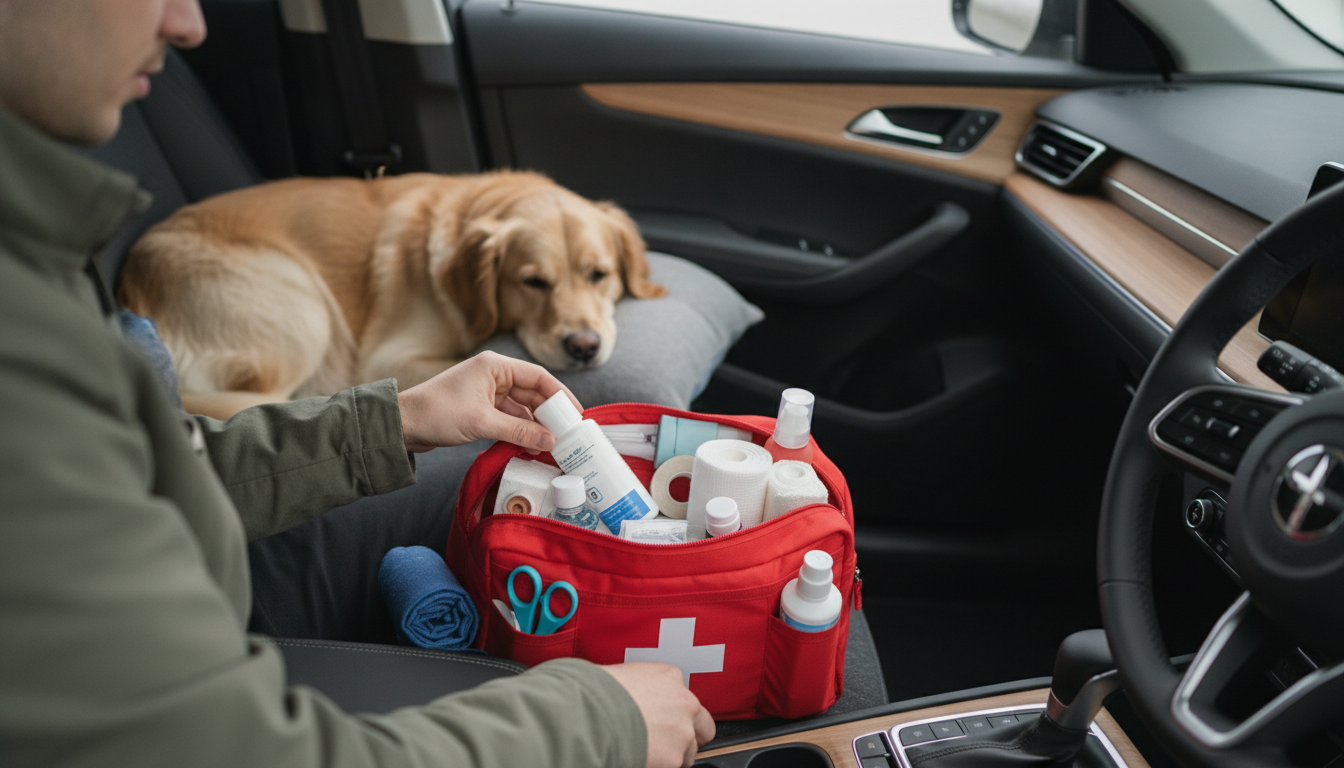
A solid pet first aid kit covers three essentials: stopping bleeding, protecting wounds, and handling common emergencies until a vet can take over. Stock it for the pets you have (dog, cat, or both), and keep one kit at home plus a smaller version in the car or travel bag.
Wound care and bandaging supplies
Start with items that help clean, cover, and secure injuries. Include sterile gauze pads, non-stick wound dressings, medical tape, self-adhering wrap (vet wrap), cotton swabs, and blunt-tip scissors. Add antiseptic wipes or a pet-safe antiseptic solution, plus saline eyewash for flushing debris from eyes or wounds. A pair of disposable gloves helps keep everything clean.
Bleeding control and restraint tools
For bleeding, pack absorbent gauze rolls and a clean towel or trauma pad to apply firm pressure. Include a digital thermometer (with lubricant) and a soft muzzle or an emergency restraint (even gentle pets may bite when hurt). A small flashlight helps you examine paws, ears, and mouths in low light.
Medications and comfort items (vet-approved)
Store only what’s safe for pets: a styptic powder or pencil for minor nail bleeds, and an oral syringe or dropper for giving water or liquid meds. Add a blanket for warmth and shock prevention, and instant cold packs for swelling. Avoid giving human pain relievers unless a veterinarian has explicitly prescribed them for your pet.
Documents and emergency contacts
Include your vet’s number, the nearest 24/7 emergency clinic, and pet poison helpline information. Keep a copy of vaccination records and a recent photo of your pet in case you get separated. For a fuller checklist and packing tips, see this complete pet first aid kit guide.
For Pet First Aid Kit Checklist: Must-Have Supplies, the best answer depends on fit, material, care instructions, and how the product will be used day to day.
FAQ
How often should you replace items in a pet first aid kit?
Check your kit every 6 months and replace anything used, expired, or dried out (like wipes and solutions). Refresh batteries, restock gloves and gauze, and update contact numbers if they change.










Leave a comment