Dog Harnesses for Walks: Comfort, Control & Fit Tips
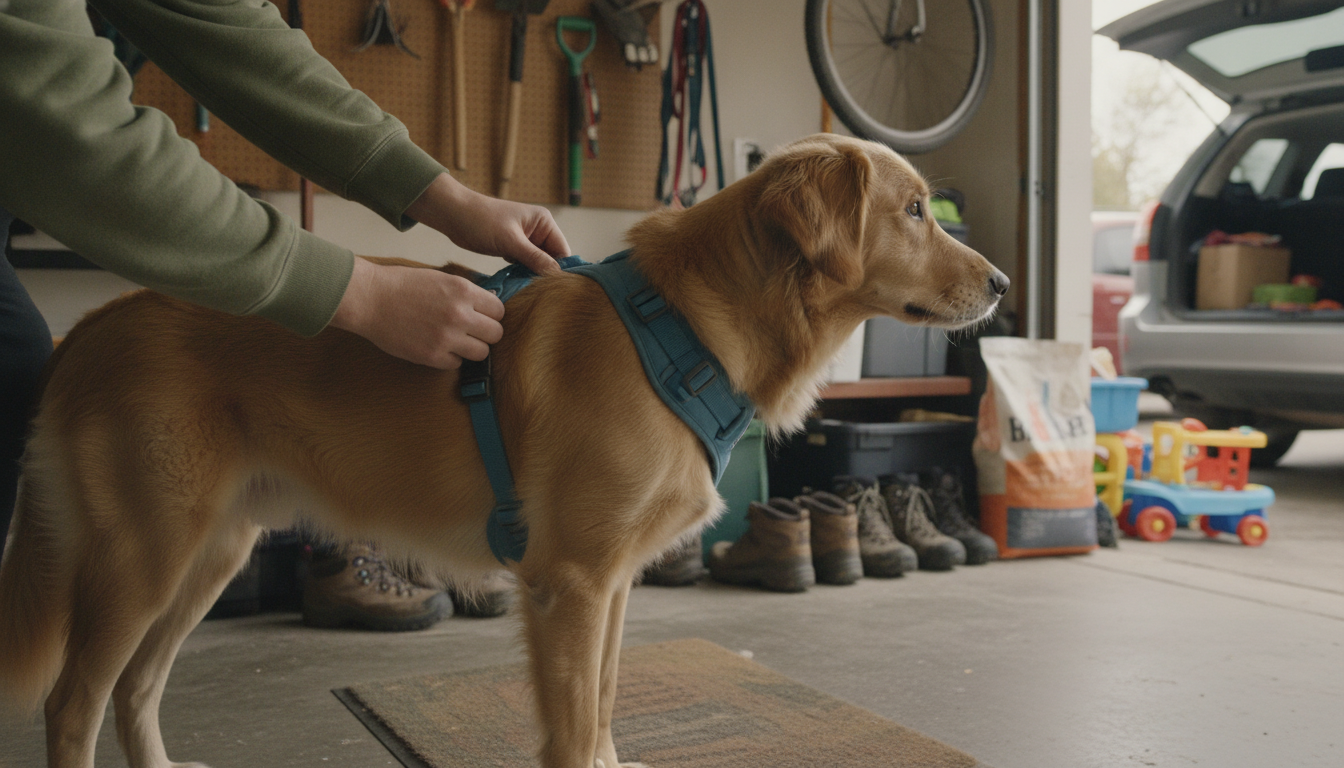
Should dogs wear harnesses when walking?
Many dogs benefit from wearing a harness on walks, especially if they pull, have a sensitive neck, or need more steering than a collar can comfortably provide. A well-fitted harness spreads pressure across the chest and shoulders instead of concentrating it on the throat, which can help reduce coughing, gagging, and strain on the neck.
Answer
A harness is often a smart choice for daily walks because it gives better control without putting force on a dog’s trachea. This can be particularly helpful for small breeds, brachycephalic dogs (like pugs and bulldogs), seniors, and dogs prone to collapsing trachea or respiratory irritation.
Harnesses can also improve safety. A secure, properly adjusted harness can make it harder for an anxious dog to back out and escape, and it can help handlers guide a dog away from hazards more quickly. For training, a front-clip harness may discourage pulling by turning the dog’s body slightly when they surge ahead, while back-clip options can feel simpler for calm walkers.
That said, harnesses aren’t automatically better in every situation. A poor fit can cause rubbing behind the front legs, restrict shoulder movement, or encourage pulling if it’s a back-clip style on a strong dog. Choose a harness with adjustable straps, check that two fingers fit under the straps, and ensure the chest piece sits low enough to avoid the throat but not so low that it interferes with leg motion.
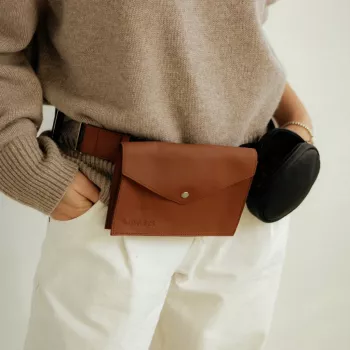
For smoother walks, it also helps to keep essentials organized so you can reward good leash manners right away. This guide on a dog walking waist bag covers what to carry and how to keep treats, poop bags, and personal items easy to reach: https://bolddropzone.shop/guide-dog-walking-waist-bag-treats-poop-bags/.
FAQ
How do I choose the right harness style for my dog?
Pick based on behavior and body type: front-clip styles can reduce pulling, while back-clip styles suit steady walkers. Look for multiple adjustment points and a Y-shaped chest design to help avoid shoulder restriction.











Leave a comment