Study Skills Definition: What They Are and Why They Matter
What is the definition of study skills?
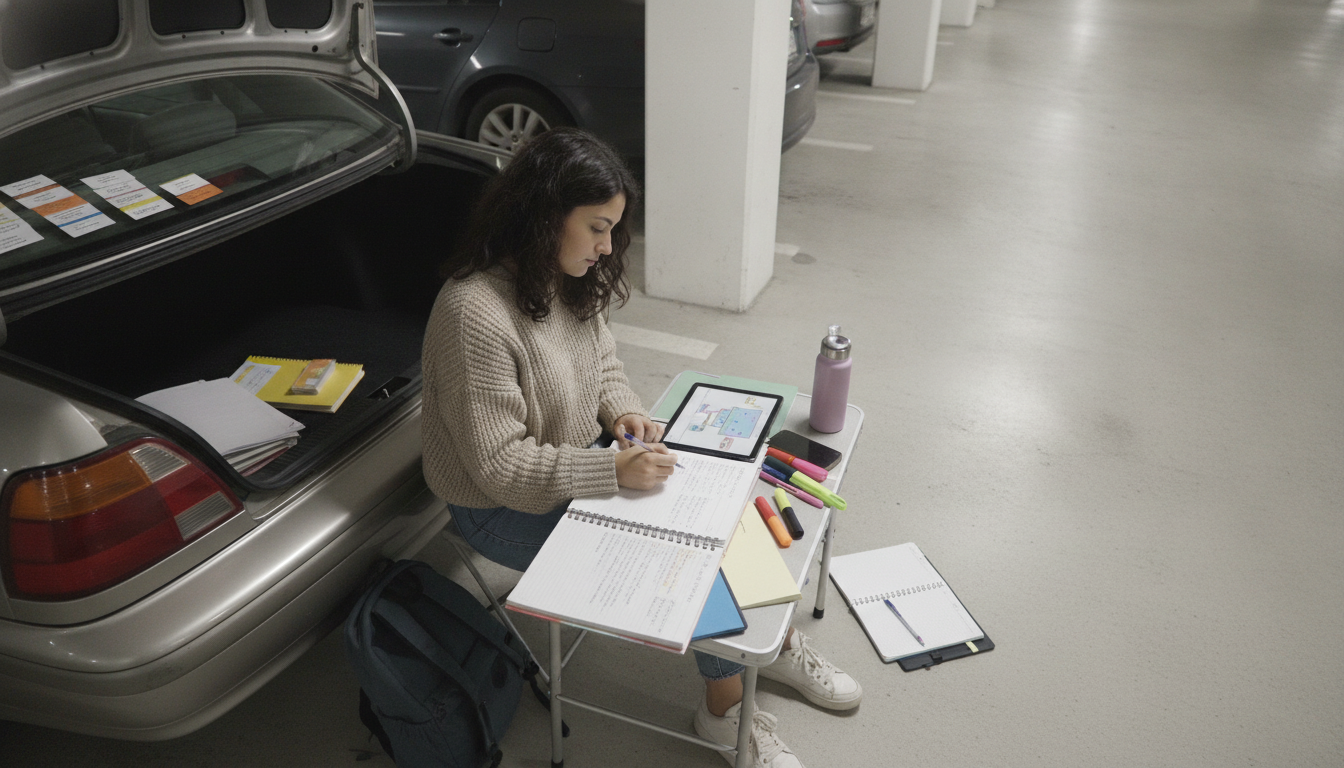
Study skills are the practical methods and habits used to learn information efficiently, understand it deeply, and recall it when needed. They include how a person plans study time, processes new material, practices retrieval, takes notes, and reviews content to prevent forgetting. In other words, study skills are the “how” behind learning—tools that make studying more organized, focused, and effective.
Good study skills aren’t limited to one subject or grade level. They can be applied to reading-heavy classes, math and science problem sets, languages, and professional exams. The strongest study skills generally share two traits: they help you engage actively with the material (instead of passively rereading), and they create a repeatable system you can use even when you’re busy or stressed.
What study skills usually include
While every student’s routine looks a little different, study skills commonly cover:
- Planning and time management: setting a schedule, breaking big tasks into smaller sessions, and prioritizing what matters most.
- Attention control: creating a distraction-resistant study environment and working in focused blocks.
- Active learning strategies: summarizing, self-quizzing, teaching the concept aloud, and practicing with real questions.
- Note-taking and organization: capturing key ideas, connecting concepts, and keeping materials easy to find.
- Review techniques: revisiting information strategically so it moves from short-term familiarity to long-term memory.
Why study skills matter
Without effective study skills, it’s easy to confuse familiarity with mastery—especially when rereading notes feels productive but doesn’t hold up on a test. Strong study skills reduce wasted time, improve confidence, and help knowledge “stick” longer. They also make it easier to diagnose what’s not working (for example, reviewing too late or practicing too little recall) and adjust quickly.
For a deeper, step-by-step approach that combines focus, recall practice, and spaced review into a simple routine, visit this guide to building a study skills system.
FAQ
What are some examples of study skills?
Examples include scheduling study sessions ahead of time, taking structured notes, practicing retrieval with self-tests, using spaced review across days or weeks, and reducing distractions by studying in focused blocks.










Leave a comment