Dog First Aid: Safe Supplies to Clean, Bandage & Calm
What can you use on dogs for first aid?
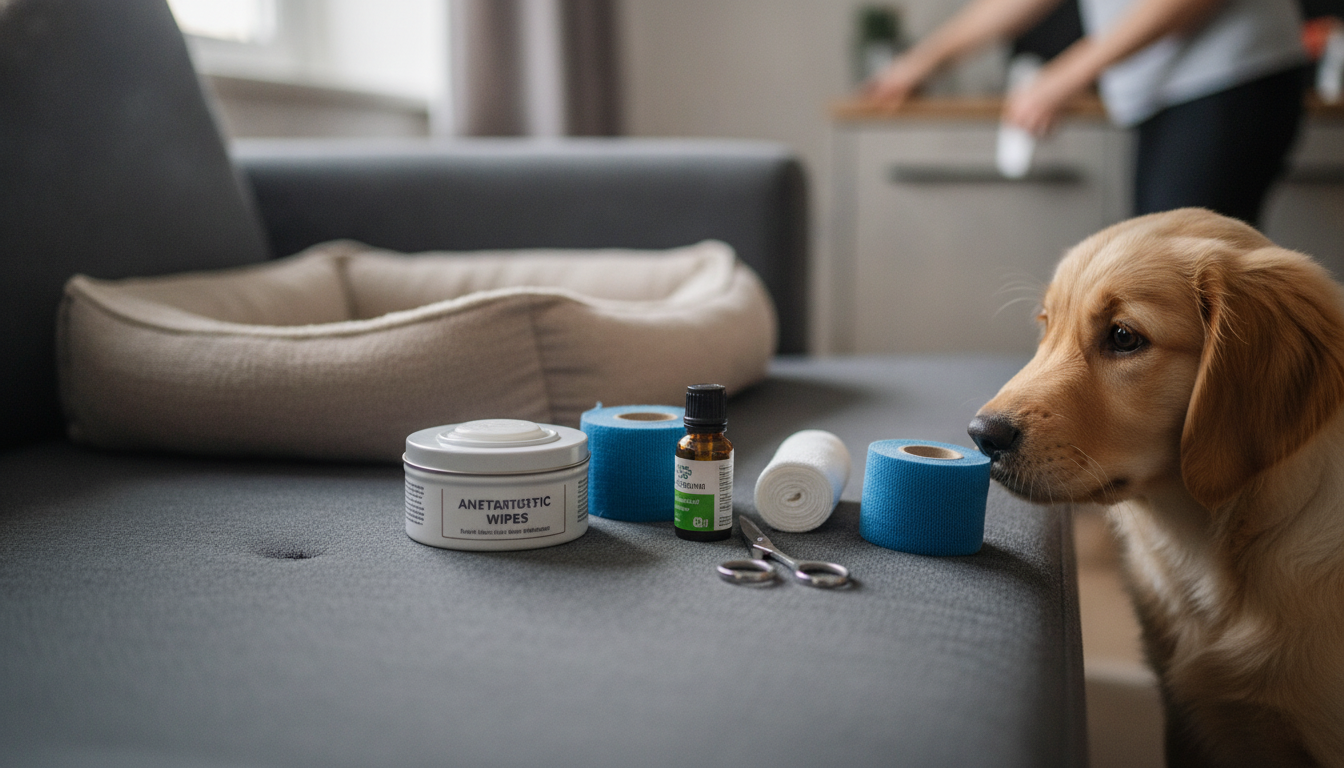
For dog first aid, use simple, pet-safe supplies that control bleeding, protect wounds, prevent shock, and help you get to a veterinarian quickly. A basic kit should include non-stick gauze pads, rolled gauze, self-adhering wrap (vet wrap), medical tape, blunt-tip scissors, and disposable gloves. These items let you apply pressure to bleeding, cover cuts, and secure a bandage without restricting circulation.
For cleaning minor wounds, use sterile saline or clean running water to gently flush debris. If you need an antiseptic, choose a pet-appropriate option like diluted chlorhexidine solution or povidone-iodine diluted to a weak “tea color.” Avoid hydrogen peroxide and alcohol on open wounds because they can damage tissue and delay healing. After cleaning, cover the area with a non-stick pad and a light wrap, and keep your dog from licking by using an e-collar if available.
For bleeding nails or small cuts, styptic powder can help stop bleeding quickly. If you don’t have styptic powder, firm pressure with gauze can still be effective. For sprains or swelling, a cold pack wrapped in a towel can be applied for short intervals (about 10 minutes at a time) while monitoring comfort.
Other useful first-aid tools include a digital thermometer (use lubricant; normal canine temperature is often around 101–102.5°F), a muzzle (even gentle dogs may bite when in pain), tweezers for surface splinters or ticks, and a blanket to keep your dog warm if they’re in shock. If you suspect poisoning, do not induce vomiting unless a vet or poison hotline instructs you to—some substances can cause more damage coming back up.
For a quick, printable checklist of what to do in common emergencies, follow this guide: Pet First Aid Cheat Sheet (Printable Emergency Steps).
FAQ
How do you make a basic dog first aid kit at home?
Start with gauze pads, rolled gauze, vet wrap, tape, gloves, scissors, saline, a digital thermometer, tweezers, and a cold pack. Add styptic powder and an e-collar if possible, then store everything in a labeled, easy-to-carry container.











Leave a comment