Teepee vs Tent: Which Is Better for Kids and Camping?
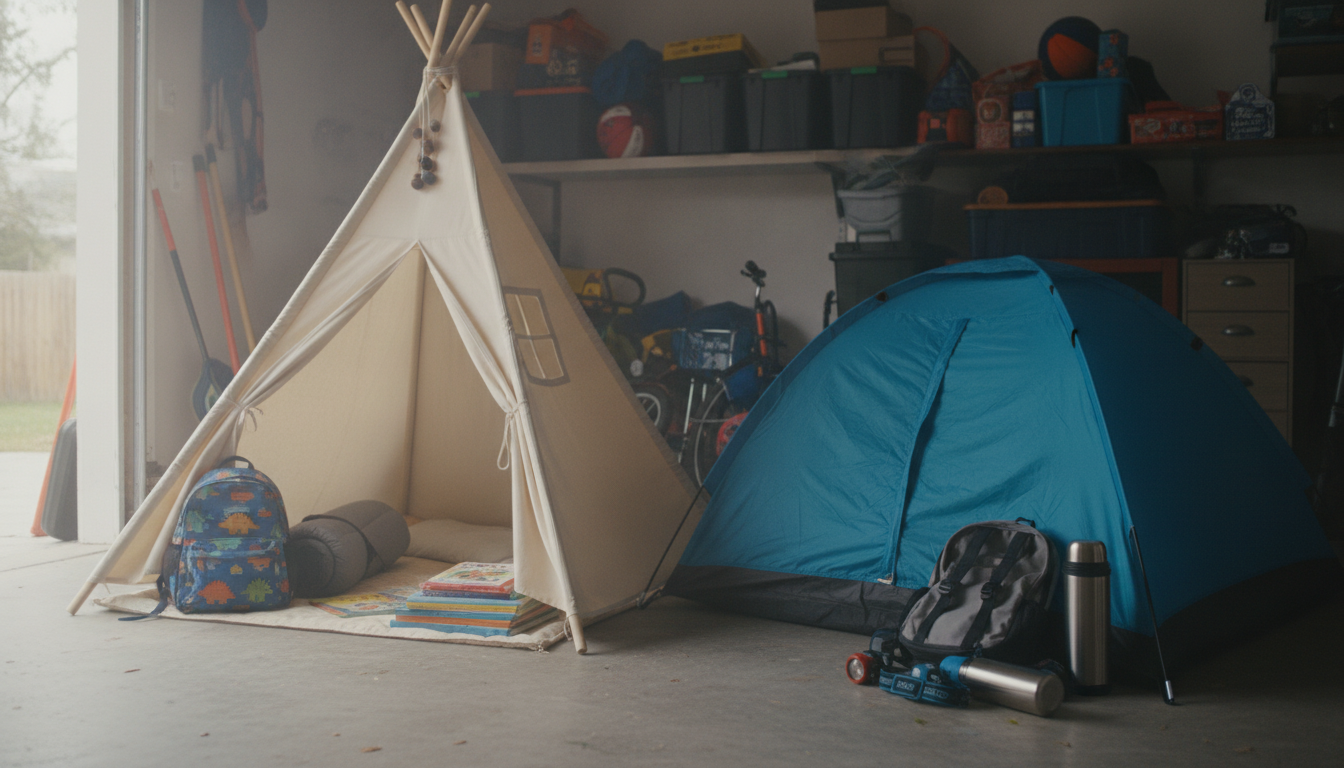
Is a teepee better than a tent?
It depends on how and where it will be used. A teepee is often better for everyday indoor play because it’s cozy, quick to set up, and easy to style as part of a room. A traditional tent is usually better for rugged outdoor use, weather protection, and sleeping on the ground.
How teepees and tents differ
Best use: indoor play vs. outdoor shelter
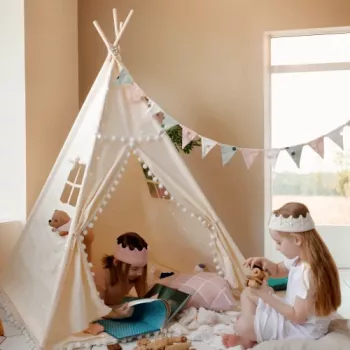
A children’s teepee is designed as a comfortable play nook—perfect for reading, pretend play, and quiet time. Most are made for indoor floors and prioritize comfort and looks over rainfly coverage or waterproof seams. Camping tents are built to handle wind, moisture, and uneven terrain, making them a smarter choice for overnight outdoor trips.
Space and comfort
Teepees typically have a tall center and a smaller footprint, which creates a “hideaway” feel without taking over the room. They’re great for layering with pillows, blankets, and a soft mat. Tents often provide more usable floor space for lying down, especially if the goal is sleeping rather than lounging.
Setup, storage, and day-to-day convenience
Many play teepees use a simple pole structure and can be set up in minutes. They’re also easy to move from bedroom to living room when you want a change of scenery. Camping tents can be quick too, but they usually involve more steps, more parts, and bulkier storage.
Style and room integration
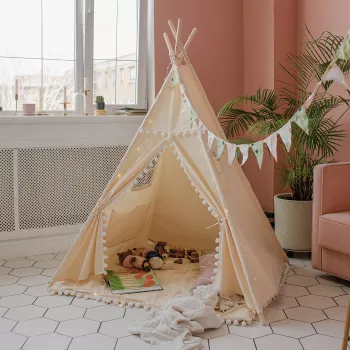
If the goal is to create a dedicated “cozy corner” that looks intentional, a teepee tends to blend better with home decor. It can function like a mini playroom feature—something kids can use daily rather than only on special occasions.
So which one should you choose?
Choose a teepee if the priority is a comfy indoor retreat for play and calm-down time. Choose a tent if you need real outdoor performance, weather resistance, and sleeping space. If you’re building an indoor play setup, this guide to creating a cozy play teepee tent can help you pick materials, size, and comfort add-ons: https://bolddropzone.shop/guide-childrens-play-teepee-tent-cozy-indoor-play/.
FAQ
What size teepee is best for kids?
A teepee that fits at least one child sitting comfortably with room for a cushion is a solid start; for siblings or playdates, look for a wider base so kids can move without bumping the poles. Measure your intended spot at home and compare it to the teepee’s footprint and height before buying.






Leave a comment