Cat Feeding Routine Changes: How Long to Adjust?
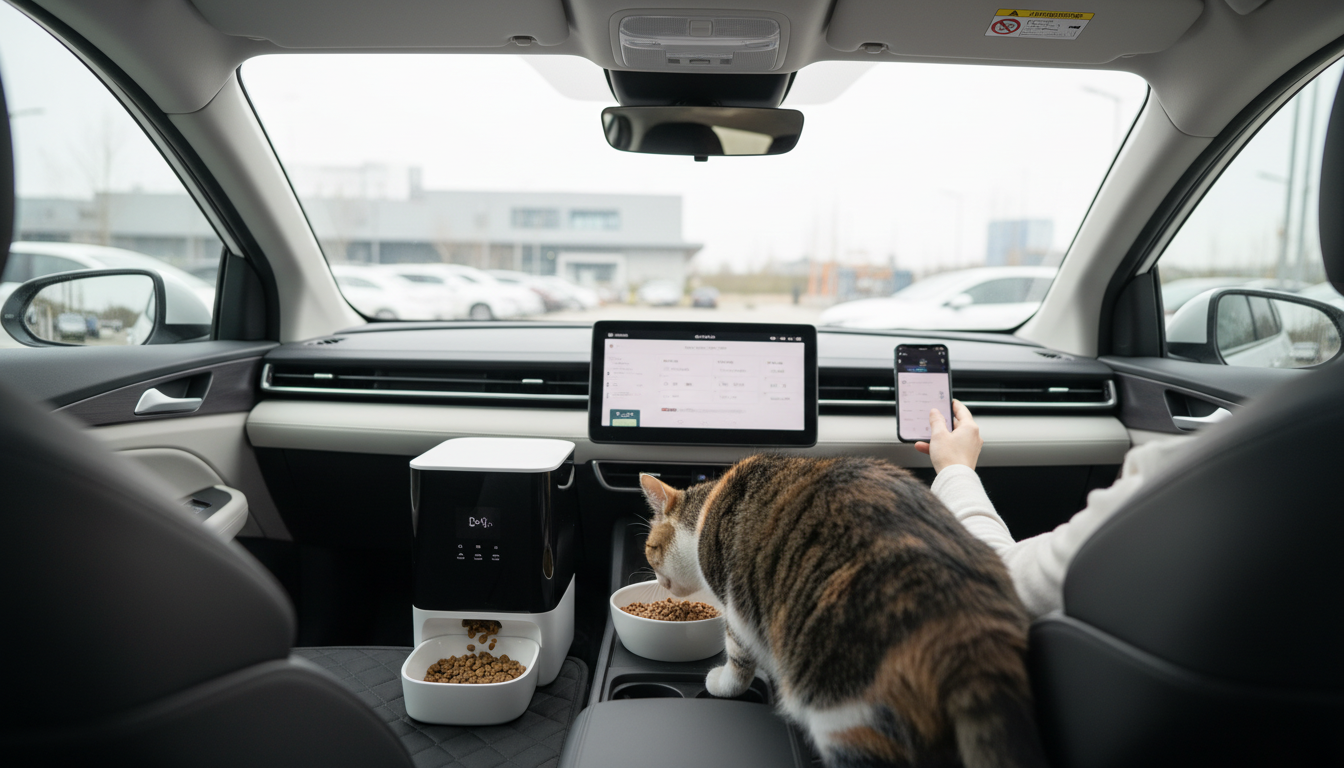
How long does it take for a cat to get used to a new feeding routine?
Answer
Most cats start adapting to a new feeding routine within about 7–14 days, but it can take up to 3–4 weeks for the schedule to feel fully “normal,” especially for shy cats, newly adopted cats, or kittens going through rapid growth. You’ll usually see the biggest change in the first few days: your cat may beg at the old mealtime, act confused, or eat faster/slower than usual as they figure out the new pattern.
Consistency is what makes the timeline shorter. Feeding at the same times, using the same bowl and location, and keeping portions steady helps your cat predict what’s coming next. If you’re switching foods as well as changing the schedule, expect the adjustment to take longer—cats may need extra time to accept new smells and textures, and sudden changes can trigger stomach upset.
Aim for small, gradual shifts when possible. If you’re moving meals earlier or later, adjusting by 15–30 minutes every day or two can reduce stress. For food transitions, mixing increasing amounts of the new food over 7–10 days often helps most cats tolerate the change. For a practical breakdown of timing, portions, and routines (especially for kittens), see this feeding guide.
Signs your cat is settling in include arriving at the feeding area around the new mealtimes, eating calmly without frantic gulping, and maintaining steady stool quality and energy. If vomiting, diarrhea, loss of appetite beyond 24 hours, or noticeable weight loss shows up during the change, pause the transition and consult your veterinarian.
For Cat Feeding Routine Changes: How Long to Adjust?, the best answer depends on fit, material, care instructions, and how the product will be used day to day.
FAQ
What’s the best way to transition a cat to a new food without stomach upset?
Mix the new food into the old food gradually over 7–10 days, increasing the new portion every couple of days. If your cat has a sensitive stomach, slow the transition further and keep mealtimes consistent.











Leave a comment