Whole-You Wellness: A Simple Beginner Plan (7 Days)
What “Holistic Wellness” Means (Without the Overwhelm)
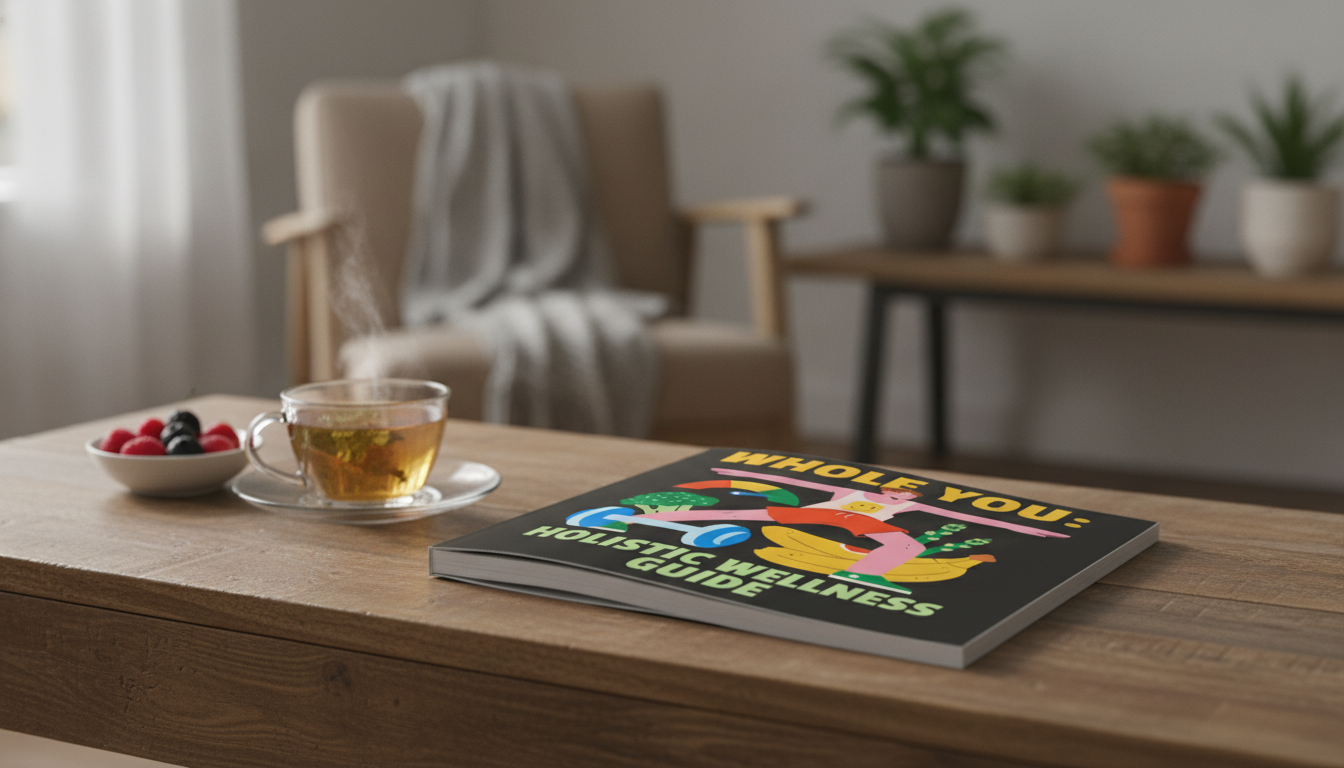
Holistic wellness is a practical way to support health from multiple angles at once—because real life doesn’t happen in silos. Instead of chasing one “perfect” habit, you build a simple system across four connected areas: nutrition, movement, mental well-being, and self-care. Each area reinforces the others: better sleep supports appetite regulation, strength training supports mood, and steady meals support energy for daily walks.
The most reliable progress comes from small changes done often. Occasional “perfect” weeks can feel motivating, but consistency wins because habits compound. Helpful markers to watch include steadier energy, better sleep quality, improved mood, fewer intense cravings, and routines that feel easier to repeat. A balanced approach also avoids extremes—no single habit fixes everything, but a few basics done consistently can shift how you feel day to day.
Start Here: A Simple Wellness Baseline in 20 Minutes
Before adding anything new, take a quick baseline. Set a timer and write short, judgment-free notes.
- Nutrition check: What do typical meals look like? How much water do you drink? How often do you skip meals?
- Movement check: About how many minutes per week do you walk, strength train, or stretch? How much time is spent sitting?
- Mental well-being check: Current stress level (1–10), biggest triggers, and what you do to cope.
- Self-care check: Sleep schedule, screen-time boundaries, and whether there’s any true recovery time.
Next, pick one “easy win” in each area—four micro-changes total—to start this week. Examples: add a glass of water in the morning, take a 10-minute walk after lunch, do 60 seconds of breathing before bed, and set a consistent wake time.
Nutrition Foundations: Build Meals That Keep Energy Steady
Beginner-friendly nutrition works best when it’s repeatable. A simple anchor is the “plate method”: half produce, one quarter protein, and one quarter whole grains or starchy vegetables, with healthy fats as needed. This approach fits many preferences and doesn’t require tracking every bite.
Easy targets that tend to make a noticeable difference:
- Include a protein at breakfast (even a small serving).
- Add one extra serving of produce daily (fresh or frozen both count).
- Increase water gradually—small bumps are easier to maintain.
Instead of focusing on labels, focus on outcomes: more fiber, adequate protein, and regular meal timing often reduce afternoon crashes. Keep practical staples on hand—frozen vegetables, canned beans, eggs, Greek yogurt, oats, brown rice, canned fish, nuts, and seeds—so balanced meals are available even when time is tight.
Beginner Wellness Plate Builder (Mix-and-Match)
| Meal piece | Easy options | Why it helps |
|---|---|---|
| Protein | Eggs, Greek yogurt, tofu, chicken, beans, tuna | Supports satiety, stable energy, and muscle recovery |
| Fiber-rich carbs | Oats, brown rice, quinoa, potatoes, whole-grain bread | Improves fullness and supports steady blood sugar |
| Colorful plants | Leafy greens, berries, frozen mixed veg, apples, peppers | Provides vitamins, minerals, and antioxidants |
| Healthy fats | Olive oil, avocado, nuts, seeds, nut butter | Supports hormones, brain health, and meal satisfaction |
To make this effortless, create a “default plan” for busy days: two quick breakfasts (example: yogurt + berries; eggs + toast), two quick lunches (bean salad; tuna wrap + fruit), and two quick dinners (stir-fry with frozen veg; sheet-pan chicken + potatoes).
For additional guidance on balanced eating patterns, the Dietary Guidelines for Americans offers science-based recommendations that can be adapted to different lifestyles.
Movement for Beginners: A Balanced Weekly Routine
Consistency matters more than intensity at the start. Short sessions count, and they build momentum. A balanced week includes light cardio (like walking), strength training, and mobility or stretching. If you’re new, prioritize form and comfort—your goal is to finish feeling better than when you started.
Progression can stay simple: add 5 minutes, add a set, or add a little resistance every 1–2 weeks. Recovery is part of training—hydration and sleep support performance and reduce soreness. If you want a benchmark for general activity recommendations, the World Health Organization’s physical activity guidance is a helpful reference point.
Mental Health & Stress Skills That Fit Daily Life
Social support counts as wellness. Aim for one check-in per week—friend, family, or a community group. If symptoms like persistent low mood, panic, sleep disruption, or loss of interest last for weeks or interfere with daily functioning, professional support can be important. The National Institute of Mental Health has resources on caring for mental health and when to seek help.
Self-Care That Actually Restores (Not Just Adds Another Task)
How to Choose a Holistic Wellness Guide That Matches Your Life
If your biggest struggle is consistency and follow-through, a dedicated planning tool can help turn intentions into repeatable actions. Consider adding the Goal-Setting Guide for Real Results – Printable Goal Planner, SMART Goals Workbook & Productivity Template for Achievable Success to map weekly micro-habits, set “minimums,” and keep your wellness plan realistic.
A 7-Day “Whole You” Starter Plan (Beginner Version)
FAQ
How fast can results show up with a holistic wellness routine?
Some wins—like steadier energy, better sleep quality, and improved mood—can show up within 1–2 weeks of consistent basics. Changes in body composition and noticeable fitness gains usually take longer, so track small improvements to stay encouraged.
What if motivation drops after the first week?
Use minimum-effective habits on low-energy days, reduce friction (prep one easy meal, set out walking shoes), and stick to a simple weekly schedule. If you have an “off” week, do a quick reset: one balanced meal, one short walk, and one earlier bedtime—then build back up.
Is a digital wellness guide enough if stress or anxiety feels severe?
A guide can support healthier routines, but it isn’t a substitute for professional care. If symptoms are persistent or interfere with daily functioning, contact a licensed clinician for assessment and personalized support.












Leave a comment