Toddler Nightmares: Calm Comfort Scripts & Bedtime Fixes
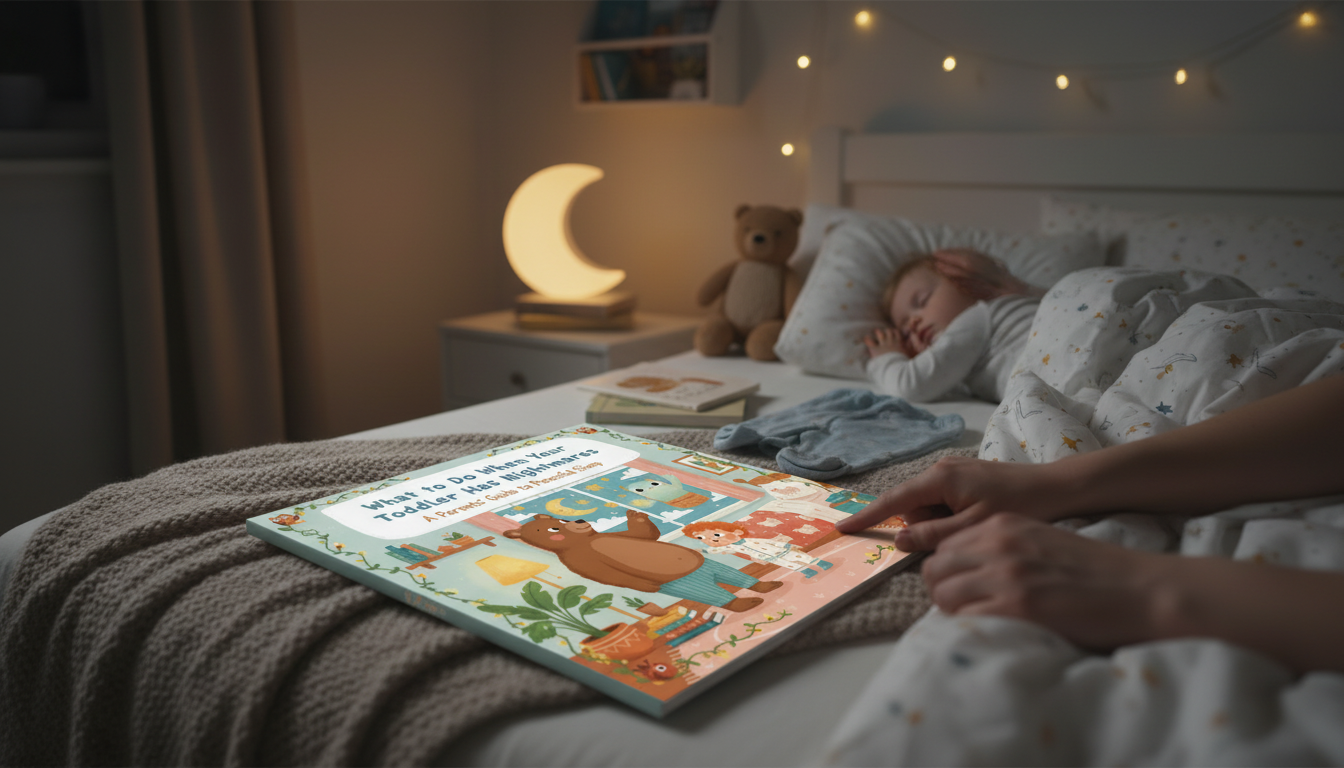
What to Do When Your Toddler Has Nightmares: Practical Comforting Tips and Bedtime Solutions
Nightmares can feel overwhelming for toddlers and exhausting for parents—especially when they repeat or disrupt sleep night after night. The most effective support is calm, predictable, and developmentally appropriate: helping a child feel safe in the moment, then adjusting routines and daytime habits to reduce the chances of scary dreams returning. Use the steps below to respond with confidence, build a soothing bedtime rhythm, and know when extra help may be needed.
Nightmares vs. night terrors: why it matters
Toddlers can have both nightmares and night terrors, and the best response depends on which one is happening. Nightmares usually show up in the second half of the night, and your child typically wakes fully, looks for you, and may describe “monsters” or a scary scene. Night terrors tend to happen in the first third of the night; a child may scream, sweat, or look awake, but be very hard to comfort and usually won’t remember it in the morning.
| Feature | Nightmares | Night Terrors |
|---|---|---|
| Timing | Later in the night (often early morning hours) | Earlier in the night (first few hours) |
| Child wakes fully | Usually yes; seeks comfort | Often no; appears awake but is not fully conscious |
| Memory next day | Often remembers parts of the dream | Typically no memory |
| Best parent response | Reassure, comfort briefly, return to bed | Keep safe, avoid waking, wait it out |
If you’re unsure, notice whether your toddler can talk about the dream and respond to simple reassurance. When you want a clinician-vetted overview, helpful references include HealthyChildren.org (American Academy of Pediatrics) and MedlinePlus (National Library of Medicine).
What to do in the moment when your toddler wakes from a nightmare
When your toddler calls out, move quickly—but keep everything low-key. The goal is to communicate safety without accidentally turning wake-ups into a “party.”
- Keep the room calm and dim; use a soft voice and short phrases like “You’re safe. I’m here.”
- Offer physical comfort if your child wants it (hug, hand on back). If touch ramps up distress, stay close and soothe verbally.
- Validate feelings without reinforcing the story: “That was scary” is better than “Yes, the monster is real.”
- Use grounding: name what’s real right now (“Your bed is cozy, your blanket is here, the door is closed”).
- Keep the interaction predictable: comfort, a sip of water if needed, a quick check of the room, then back to bed.
- Avoid stimulating activities (screens, bright lights, lengthy conversations), which can train repeated wake-ups.
Comforting scripts that work for toddlers
Toddlers do best with repetition. A consistent “script” helps your child borrow your calm until their body settles.
- Safety and presence: “You’re safe. I’ll stay with you while your body calms down.”
- Name the feeling: “That dream scared you. Scary dreams can feel real, but they’re only stories in our brains.”
- Simple plan: “Two big breaths, one hug, then we tuck in again.”
- Small choice for control: “Do you want the nightlight on or the door open a crack?”
- Consistent closing line: “Goodnight, I love you, see you in the morning.”
Bedtime solutions that reduce nightmares over time
Nightmares often spike when sleep is lighter or more disrupted. Small, steady adjustments can lower the odds of scary dreams showing up night after night.
- Keep a consistent schedule: Regular bedtime and wake time matter. Overtired toddlers often have more fragmented sleep and more distressing dreams.
- Create a 20–30 minute wind-down routine: Bath or wipe-down, pajamas, two books, brief cuddle, lights out.
- Limit intense media: Even “kid” shows can feel scary to a toddler, especially late afternoon/evening.
- Add a predictable safe cue: A comfort object, white noise, a nightlight, or a familiar scent on a blanket (age-appropriate and safe).
- Try a “worry-to-story” redirect: Earlier in the evening, draw the scary thing, then turn it silly or brave (a monster with polka-dot socks, a superhero cape, etc.).
- Cover basic comfort: Not too hot/cold, hunger addressed with a small routine snack if needed, and bathroom/diaper needs met.
For more background on how nightmares work and why they may intensify during stress or sleep disruption, see the Sleep Foundation’s overview of nightmares.
Common triggers and how to troubleshoot them
How to choose a parenting guide for toddler nightmares
A structured, step-by-step option for parents who want a plan
Goal-Setting Guide for Real Results – Printable Goal Planner, SMART Goals Workbook & Productivity Template for Achievable Success can be used as a flexible way to set a bedtime plan and stick with it long enough to see whether changes reduce nightmares.
When to talk to a pediatrician or sleep specialist
FAQ
Should a toddler sleep in the parents’ bed after a nightmare?
Brief reassurance is helpful, but repeatedly moving to the parents’ bed can become a sleep association that leads to more wake-ups. Try sitting by the bed for a few minutes, offering a comfort object or nightlight, and using the same calm return-to-bed routine each time.
Do nightlights prevent nightmares?
Nightlights don’t stop dreams, but they can reduce fear of shadows and make it easier for a toddler to settle after waking. Choose a dim, warm light and pair it with the same soothing bedtime routine.
How many nightmares are considered “too many” for a toddler?
If nightmares happen multiple times per week for several weeks, cause intense distress, or lead to daytime anxiety or major family sleep disruption, it’s worth discussing with a pediatrician. Get help sooner if there are other sleep symptoms like loud snoring or breathing concerns.










Leave a comment