Sturdy Dog Car Hammock With Side Flaps: Seat Protection
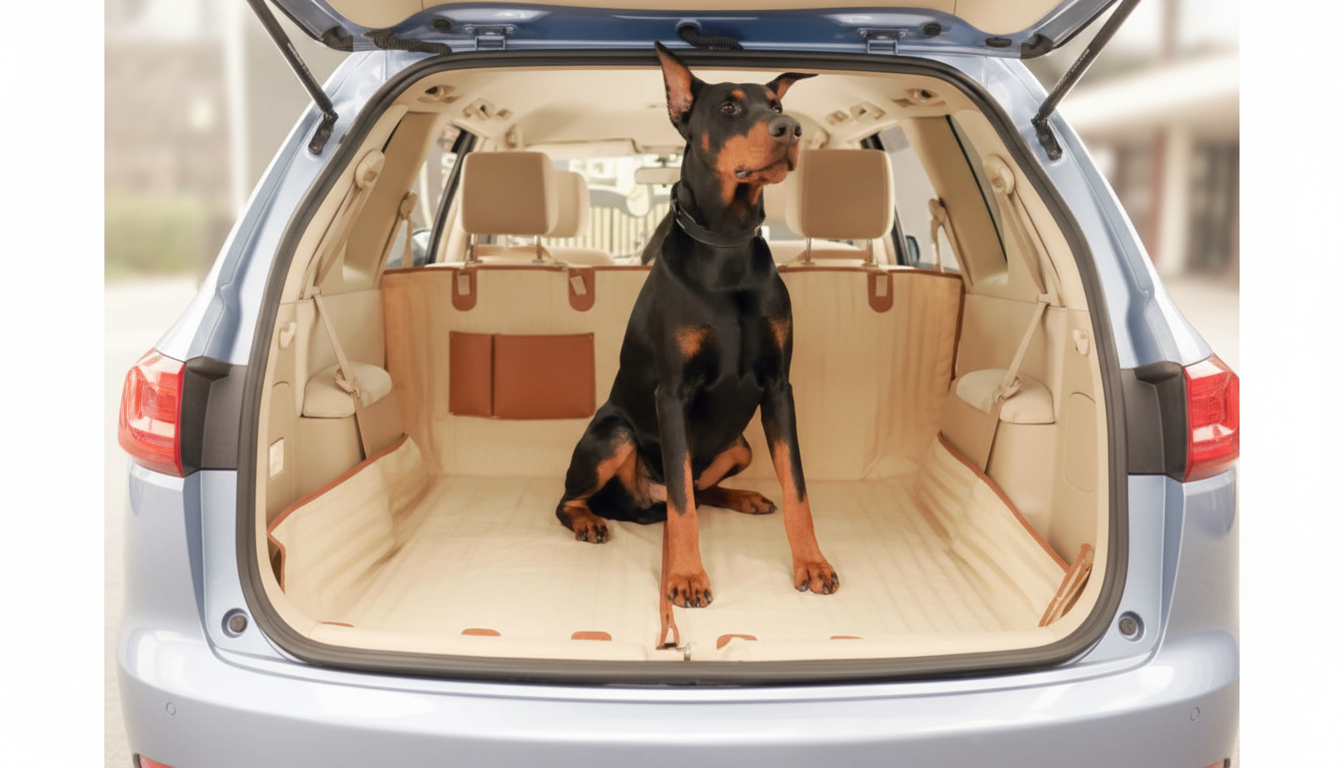
Sturdy Car Dog Hammock With Side Flaps: Cleaner Seats, Safer Rides, Happier Dogs
A well-built dog car hammock with side flaps helps keep upholstery protected from claws, dirt, and shedding while also giving dogs a more secure back-seat space. Side flaps change day-to-day usability in a big way—especially for dogs that step on seat edges, brace on doors, or track in sand and mud. Below is what a sturdy hammock solves, when flaps are worth it, how to set one up so it stays put, and how to keep it looking sharp ride after ride.
What a car dog hammock with side flaps solves
A hammock-style cover spans the back seat and typically anchors to the rear headrests and the front headrests. That creates a continuous barrier where most messes collect on one removable layer instead of getting ground into fabric seams or leather grain.
- Creates a continuous barrier across the back seat to catch fur, mud, drool, and crumbs before they reach fabric or leather.
- Side flaps add coverage for door panels and the outer edges of seats where dogs often step when entering or looking out the window.
- Reduces gaps between seat and footwell that can cause a dog to slide forward during braking.
- Helps contain messes after hikes, beach trips, grooming appointments, and vet visits.
- Makes cleanup faster by consolidating debris onto one removable layer instead of multiple seat surfaces.
Why side flaps matter (and when they don’t)
Side flaps are the difference between “the seat is covered” and “the whole boarding zone is protected.” Dogs rarely place their paws neatly in the middle of the bench—most pressure and scratching happens at the edges.
- Door protection: flaps shield plastic and leather door inserts from scratches when dogs brace themselves.
- Entry and exit support: flaps take the hit from nails when a dog climbs in, especially in taller SUVs.
- Better edge sealing: less debris slips down the sides of the seat or into seat-belt creases.
- Trade-off: side flaps can reduce access to door-mounted handles or storage pockets, depending on vehicle layout.
- Best for: medium-to-large dogs, frequent trips, and vehicles with easily scratched door trim; optional for small dogs in carriers.
Features that make a hammock feel truly sturdy
“Sturdy” isn’t just thick fabric—it’s how the cover handles tension, shifting weight, and the repeated scrape of nails at the same stress points. A good cover stays tight, stays grippy, and doesn’t sag into the footwell.
- Reinforced stitching at stress points (strap anchors, flap edges, and seat-bridge areas) to resist tearing under shifting weight.
- Non-slip backing or grippy base layer to reduce sliding on smooth leather seats.
- Firm seat-bridge support that resists sagging into the footwell; improves stability for senior dogs.
- High side walls or structured flaps that stay up instead of collapsing when the dog leans.
- Water-resistant or waterproof layers to prevent moisture seep-through after rain or swimming.
- Strong, adjustable headrest straps with secure buckles to keep tension consistent over bumps.
- Seat-belt access (covered openings or hook-and-loop closures) to allow safe tethering without exposing upholstery.
If you’re shopping for a dependable everyday option, see the Sturdy Car Dog Hammock With Side Flaps for full-coverage back-seat protection designed for real-world mess and movement.
Hammock vs bench cover vs cargo liner
The right choice depends on where your dog rides and whether you need passenger space. Hammocks are often the most “secure-feeling” setup for dogs because they reduce the open drop into the footwell and can block access to the front row.
Quick comparison of common seat protection options
| Option | Best for | Protection level | Dog stability | Door panel coverage |
|---|---|---|---|---|
| Hammock with side flaps | Frequent rides, messy adventures, larger dogs | High (seat + sides + often front seat backs) | High (reduces footwell slipping) | High |
| Standard hammock (no flaps) | Basic seat coverage on a budget | Medium | High | Low |
| Bench cover with flaps | Shared back seat, quick in/out | High (bench + sides) | Medium (footwell still open) | High |
| Cargo liner | SUV trunk riders | High (cargo area) | Medium (depends on vehicle) | N/A |
Fit and setup checklist for a secure installation
A hammock only protects well if it’s installed with even tension and the flaps are placed where your dog actually steps. Take a few minutes to dial it in; it pays off in stability and less shifting over time.
For added coverage behind the front seats—especially if your dog “climbs” the seat back when excited—pair your hammock with the Car Seat Back Protector Black “Hexy” – Car Kick Mat to help prevent scuffs, muddy streaks, and nail marks.
Comfort and safety essentials for dogs in the back seat
For additional travel safety guidance, see the American Veterinary Medical Association (AVMA) tips on traveling with your pet. For heat safety reminders, review the CDC guidance on keeping pets safe, and for general seat belt safety basics, the NHTSA seat belt resource is a useful reference.
Cleaning and maintenance that keeps it looking new
FAQ
Do side flaps actually protect car doors from scratches?
Yes—side flaps act as a barrier over the door-side seat edge and common contact points where dogs brace and step. Protection depends on flap height and positioning, and determined scratchers may still benefit from supplemental door guards.
Can a dog car hammock be used with a seat belt harness?
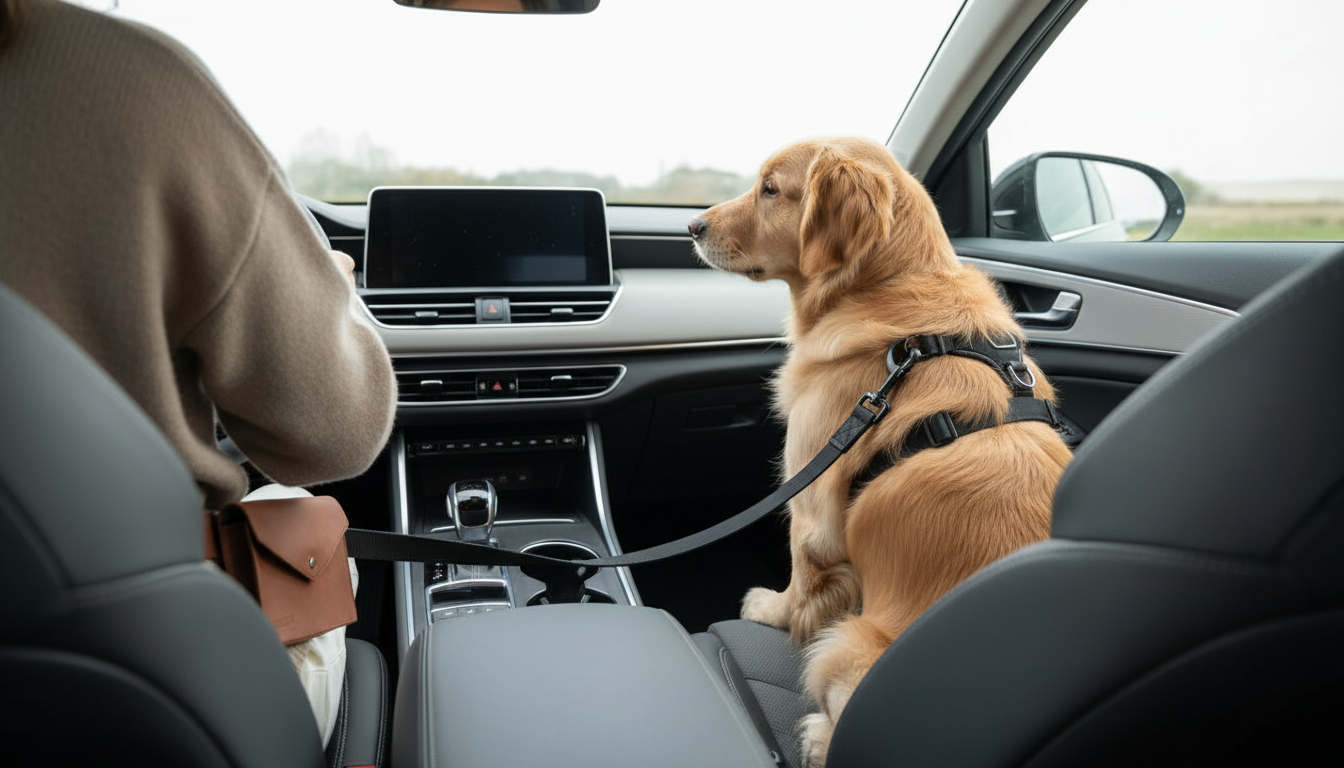
It can when the hammock includes seat-belt access openings that let the belt route cleanly to the buckle. Use a harness (not a collar), keep webbing untwisted, and confirm the latch clicks securely without forcing it.
Will a hammock with side flaps fit in most sedans and SUVs?
Most are designed for standard rear benches, but fit varies by seat width, headrest shape, and door geometry. Measure your back seat, confirm strap reach, and double-check compatibility if your vehicle has fixed headrests or unusual contours.






Leave a comment