Quiet the “Not Enough” Voice With Guided Self-Love Audio
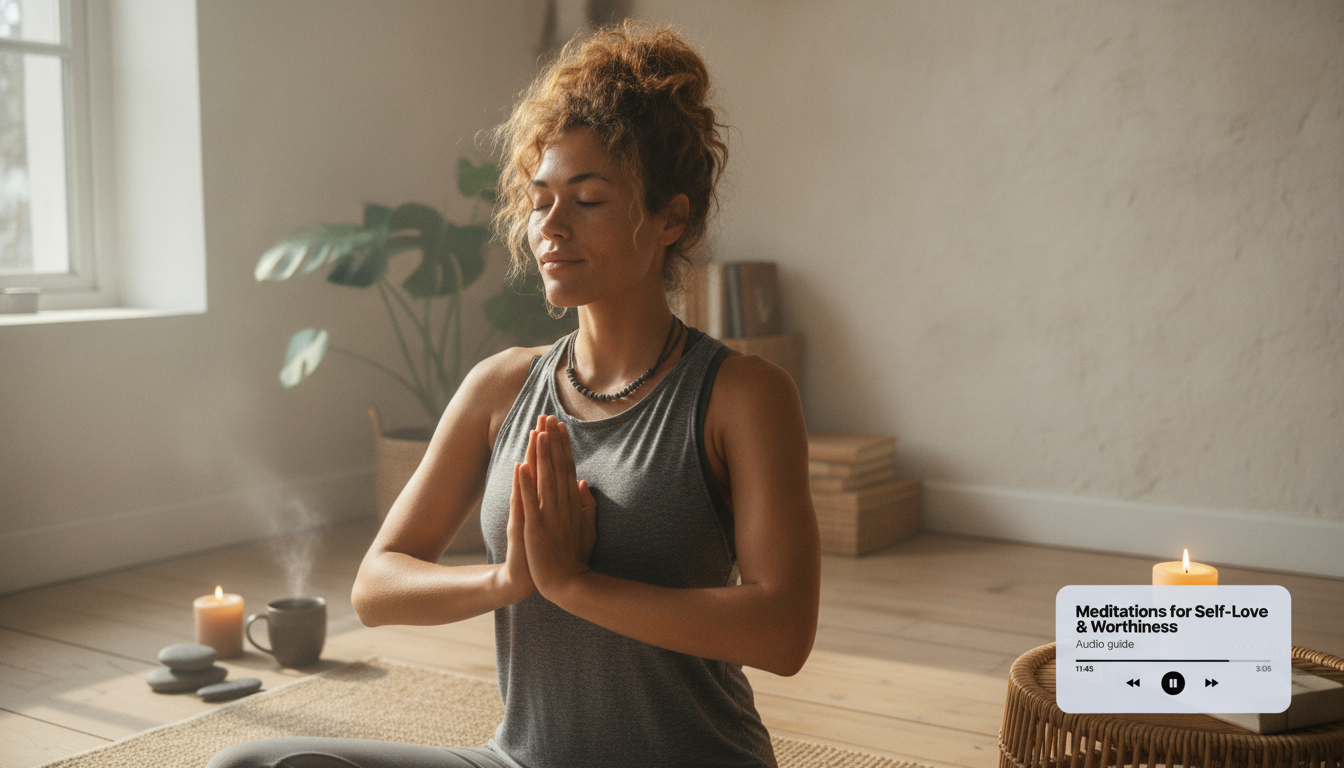
Why “Not Enough” Feels So Loud (and How Audio Practice Helps)
Feeling “not enough” rarely shows up as a single thought. It often arrives as overthinking, people-pleasing, harsh self-talk, or a constant urge to prove your worth. A steady mindfulness routine can soften that pressure by training attention, calming stress signals in the body, and rebuilding a kinder relationship with yourself. Audio-based practices—guided meditations and affirmations you can press play on—make it easier to start, especially on days when motivation is low or emotions run high.
Research summaries from the National Center for Complementary and Integrative Health (NCCIH) and the American Psychological Association describe mindfulness meditation as a practical skill for stress management and emotional wellbeing. When the nervous system is less activated, self-supportive thoughts become easier to access—and self-criticism loses some of its grip.
What Self-Love and Worthiness Practices Actually Build
- Self-love as a skill set: self-compassion, healthier boundaries, emotional regulation, and self-trust—rather than forced positivity.
- Worthiness as an internal stance: separating identity from performance, appearance, approval, or productivity.
- How guided audio helps: built-in structure, pacing, and gentle cues that reduce decision fatigue and support follow-through.
- Why affirmations can work: repetition paired with a “felt sense” (a calmer body, a softer tone) can interrupt automatic negative self-talk and strengthen new beliefs over time.
Self-compassion, in particular, is widely described as treating yourself with the same care you’d offer someone you love. The Greater Good Science Center notes that self-compassion involves kindness, common humanity, and mindfulness—an especially helpful trio when shame or perfectionism is driving the day.
How Guided Meditations, Mindfulness, and Affirmations Work Together
- Mindfulness: noticing thoughts and sensations without instantly reacting; this creates space between a trigger and your response.
- Guided meditation: uses breath, imagery, and body awareness to reduce stress arousal and increase “safety” signals in the body.
- Affirmations: tend to land better after the nervous system settles, when statements feel more believable and less like a fight.
- Integration approach: brief mindfulness → longer guided practice → short affirmation set → 1-minute reflection.
Practice elements and what they support
| Practice element | What it trains | When it helps most |
|---|---|---|
| Breath awareness | Stability, present-moment focus | Anxiety, racing thoughts, sleep wind-down |
| Body scan | Interoception, relaxation response | Tension, overwhelm, shutdown |
| Loving-kindness / compassion | Warmth toward self, reduced self-criticism | Shame spirals, inner critic flare-ups |
| Guided visualization | Emotional rehearsal, confidence cues | Before difficult conversations, new habits |
| Affirmations (spoken or silent) | New self-beliefs through repetition | Morning routine, confidence dips, boundary-setting |
A Simple Weekly Routine for Confidence, Calm, and Inner Healing
- Start small: aim for 5–10 minutes daily for the first week to build the habit before increasing duration.
- Suggested daily flow: 2 minutes of breathing → 7–15 minutes guided meditation → 3 affirmations repeated slowly → one written sentence (“Today I choose…”).
- Weekly theme rotation: Day 1 self-kindness, Day 2 safety and calm, Day 3 worthiness, Day 4 boundaries, Day 5 confidence, Day 6 forgiveness/letting go, Day 7 integration and gratitude.
- Use anchors: same time of day, same place, same headphones—less friction, more consistency.
- Track only one metric: “Did I practice?” rather than how “good” it felt; consistency matters more than mood.
If you like pairing audio with a quick written check-in, a simple companion tool can make the practice feel more real in daily life. Try Goal-Setting Guide for Real Results – Printable Goal Planner, SMART Goals Workbook & Productivity Template for Achievable Success as a structured place to record your “Today I choose…” line, note patterns in self-talk, and set small, supportive goals that reinforce worthiness through steady action (not perfection).
How to Choose the Right Self-Love Audio Course
- Choose the primary goal first: calming anxiety, strengthening confidence, healing shame, or building daily self-support.
- Match the tone: gentle and nurturing for shame and grief; grounding and steady for anxiety; empowering for confidence and boundaries.
- Look for a mix of modalities: guided meditations for regulation, mindfulness for awareness, and affirmations for belief change.
- Pick realistic session lengths: short tracks for busy days plus longer sessions for deeper work.
- Accessibility checks: clear audio, simple language, and guidance that doesn’t push emotional intensity too fast.
Featured Option: Meditations for Self-Love & Worthiness (Audio Course)
- Designed for confidence, calm, and inner healing: combining guided meditations, affirmations, and mindfulness-based practices.
- Repeatable structure: press play, follow the guidance, and return to the same supportive rhythm whenever you feel wobbly.
- Best fit for: anyone working on self-worth, self-compassion, and a steadier inner voice—especially during stress, change, or emotionally tender seasons.
- Practical tip: after listening, write three short notes: one feeling you noticed, one kind statement you can stand behind, and one next step that supports you.
Common Roadblocks and Gentle Fixes
Pairing Practices with Daily Life
FAQ
How long does it take to feel a difference from guided self-love meditations?
Many people notice small shifts in a few days—like calmer reactions or slightly softer self-talk—but deeper changes usually build over a few weeks of consistent practice. Frequency tends to matter more than long sessions.
What if affirmations trigger resistance or make emotions feel worse?
Use more believable statements (for example, “I’m practicing self-respect”), and try affirmations after a calming breath or short body scan. If emotions spike, switch to compassion phrases like “This is hard, and I can be gentle with myself.”
Can these practices help with anxiety and overthinking as well as self-worth?
Yes—breathwork and mindfulness reduce nervous system arousal, and self-compassion practices can reduce rumination and shame loops. When anxiety is high, start with calming tracks first, then layer in worthiness-focused affirmations.












Leave a comment