Pet Travel Checklist: Pack Smart for Dogs & Cats
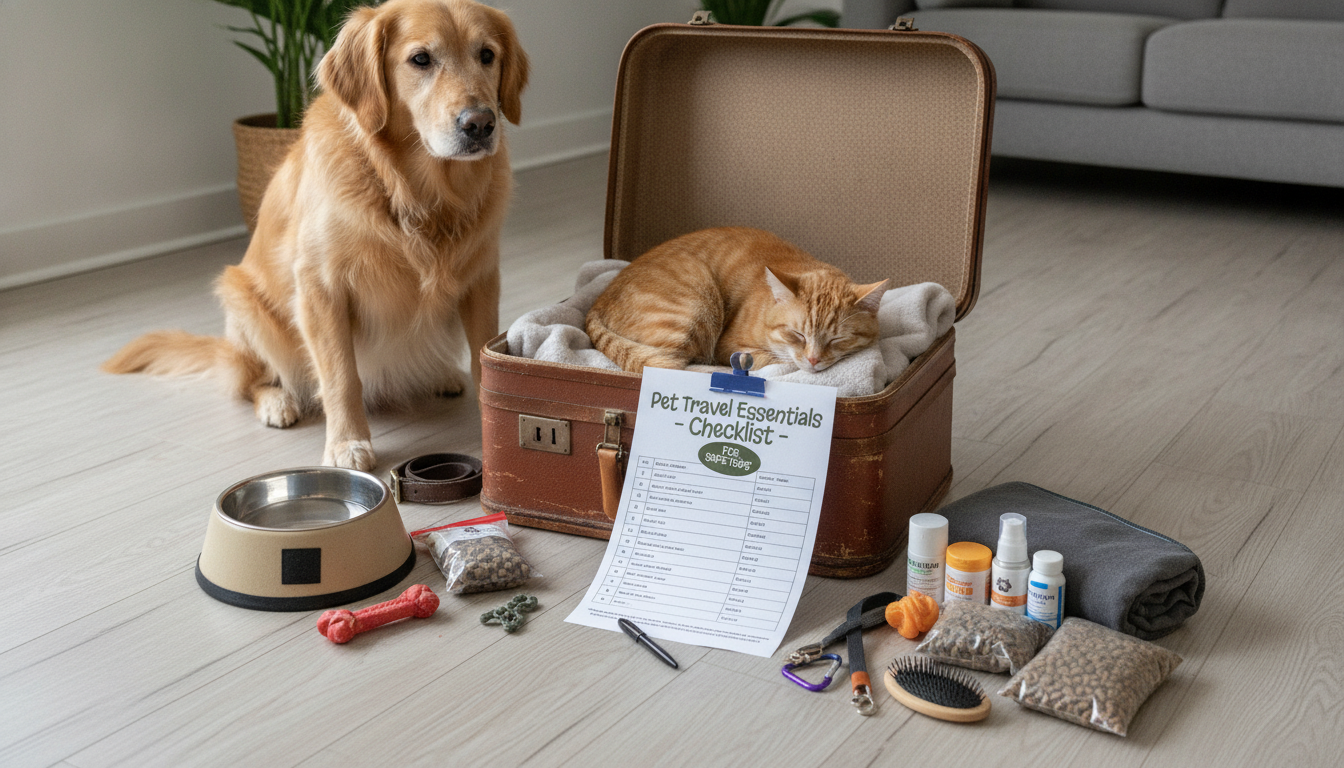
Pet Travel Essentials Checklist for Safe Trips
A smooth trip with dogs or cats comes down to preparation: the right documents, a safe setup in the car or carrier, consistent routines, and a packing system that prevents last-minute scrambling. Whether it’s a weekend road trip or a longer vacation, a planner-style checklist helps you cover health, safety, comfort, feeding, cleanup, and lodging needs without guessing what you forgot.
Before Leaving: Health, ID, and Travel Readiness
Travel changes everything for pets—new surfaces, new smells, and new risks. A quick readiness routine reduces the chance of avoidable stress, illness, or a lost-pet emergency.
- Schedule a vet visit if travel is long-distance, crosses state lines, involves boarding, or includes anxiety/motion sickness concerns.
- Confirm core prevention is current (flea/tick/heartworm where applicable) and bring proof if lodging or boarding requires it.
- Update identification: collar tag with current phone number, microchip registration details, and a recent photo of the pet from multiple angles.
- Assemble a simple travel medical file: vaccination records, meds list and dosing schedule, vet contact info, and emergency clinic options along the route.
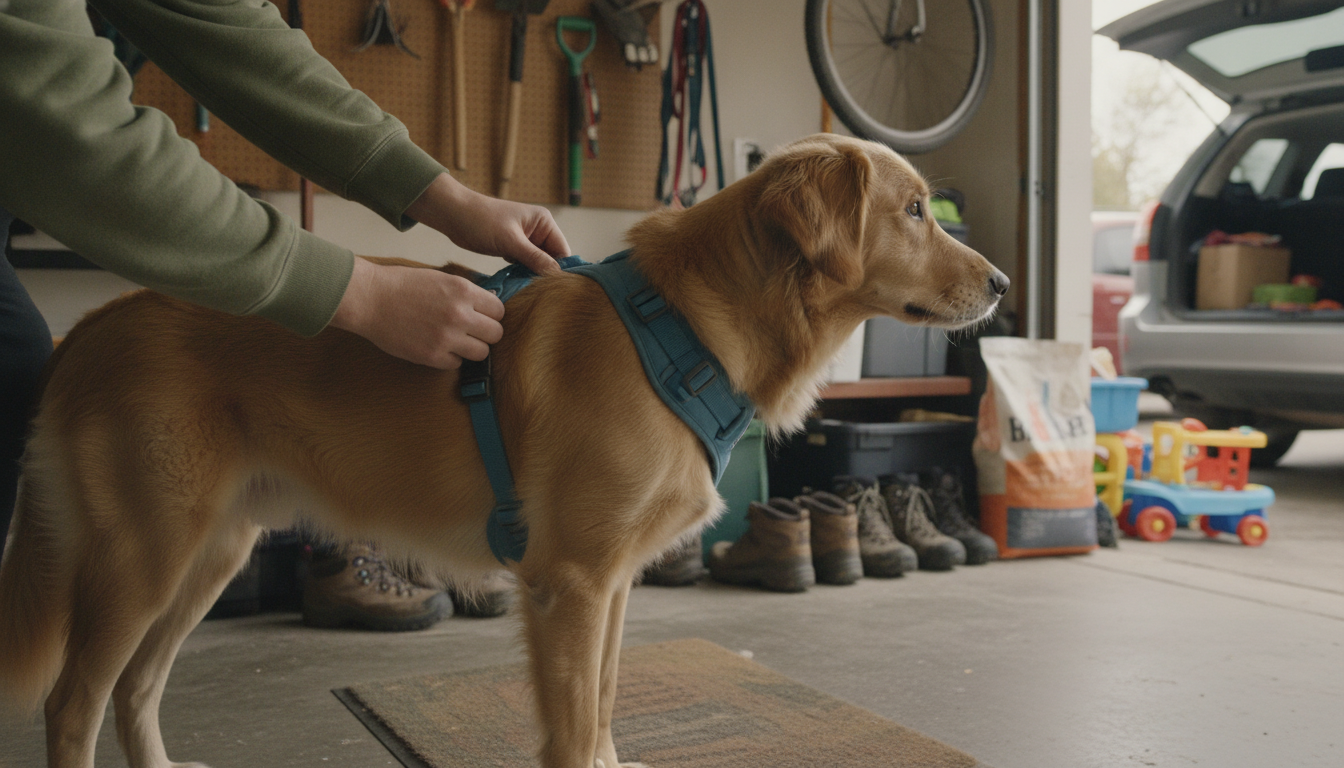
- Practice with the carrier/harness ahead of time: short sessions at home, then brief car rides to reduce stress.
Quick readiness check by timeline
| When | What to do | Notes |
|---|---|---|
| 7–14 days out | Vet check (if needed), refill meds, update ID/microchip, confirm lodging pet policy | Ask about motion sickness, anxiety, and feeding timing for travel days |
| 2–3 days out | Wash bedding, prep travel crate/seat-belt harness, print documents | Do a short test drive with the travel setup |
| Night before | Pack food, water, bowls, cleanup kit, and comfort items; charge GPS/trackers | Keep essentials in one grab-and-go bag |
| Travel morning | Exercise/potty break, light meal if tolerated, final gear check | Avoid heavy meals right before departure if nausea is common |
Safety Setup for Cars, Hotels, and Rest Stops
Most travel mishaps happen in small moments: opening a door at a gas station, unloading bags at a hotel, or letting a pet roam the car. Build a simple safety system and repeat it the same way every time.
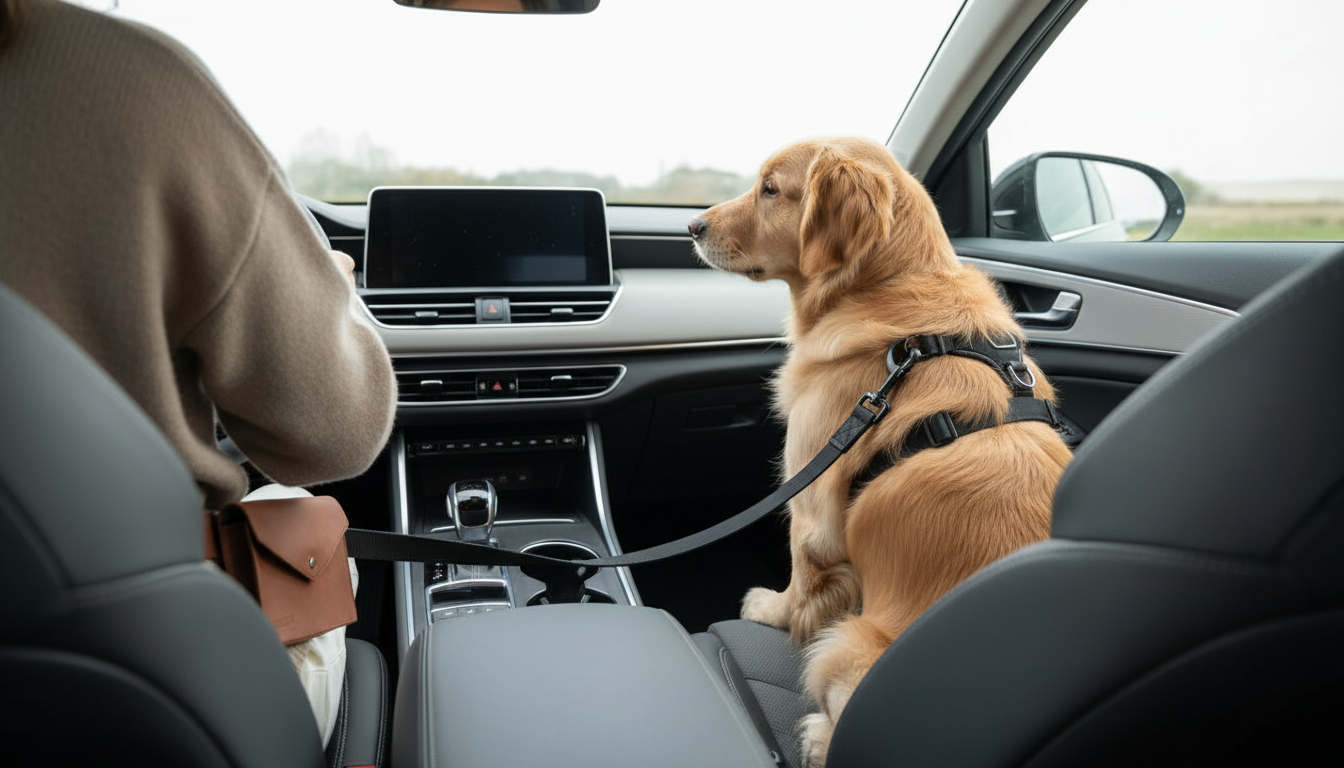
- Use a crash-tested crate or a secured harness/seat-belt system; keep pets out of the driver’s lap and away from airbags.
- Never allow head-out-the-window riding; debris can injure eyes/ears and sudden stops can cause falls.
- Plan rest stops every 2–3 hours for water, brief leashed walks, and litter box checks for cats when feasible.
- Create a “no escape” routine: leash on before any door opens, use a slip lead as backup, and keep a recent photo accessible.
- In hotels or rentals: bring a door sign (“Pet Inside”), close bathroom/closet doors, and confirm safe zones away from cords and chemicals.
Packing List Essentials: Food, Water, and Routine
Food and water planning is less about being fancy and more about being consistent. The goal is to keep digestion and daily rhythms as normal as possible while you’re on the move.
- Pack more food than the trip length requires (at least 2–3 extra days) to handle delays or limited availability.
- Bring the pet’s usual food to avoid stomach upset; portion into daily bags or a sealed container.
- Water plan: travel bottles or a jug plus a collapsible bowl; offer small sips regularly instead of one large drink.
- Maintain routine where possible: familiar feeding times, a consistent potty schedule, and the same bedtime cues.
- Include treats for positive reinforcement during loading, rest stops, and new environments.
Comfort and Stress Reduction for Dogs and Cats
Comfort isn’t just “nice to have.” A calmer pet is easier to keep safe, less likely to bolt, and more likely to eat, drink, and rest normally.
- Bring a familiar blanket or bed that smells like home; for cats, consider a carrier cover to reduce visual stress.
- Calming tools may help: pheromone sprays/wipes, calming treats (vet-approved), and a quiet playlist or white noise.
- Temperature control: never leave pets in a parked car; use sunshades and ensure airflow to the back seat or crate area.
- Motion sickness strategies: shorter pre-trip meals, frequent breaks, and vet-recommended medications if needed.
- For cats: keep them secured in a carrier during transport; provide a small travel litter box setup for longer stays.
For helpful guidance on safe pet travel practices and general precautions, review resources from the American Veterinary Medical Association and the CDC, especially if your plans involve crossing borders or exposure to unfamiliar environments.
Cleanup, Hygiene, and “Oops” Scenarios
If your trip includes interstate travel or specific animal entry requirements, it can help to double-check guidance from USDA APHIS.
How to Choose a Printable Pet Travel Planner That Actually Helps
If you prefer a structured, print-at-home format to organize your trip tasks and packing categories, consider adapting a general-purpose printable planner like the Goal-Setting Guide for Real Results – Printable Goal Planner, SMART Goals Workbook & Productivity Template for Achievable Success into a pet travel “staging checklist” (documents, food, safety, comfort, cleanup) you can reuse for every trip.
Printable Checklist Workflow for Road Trips vs. Flights
FAQ
What are the most important items to pack first for pet travel?
Start with safety and identification (secure restraint/carrier, collar tag/microchip info), health items (meds and records), then food/water supplies and a cleanup kit. Everything else supports comfort and convenience.
How often should a dog be taken out during a road trip?
A common rule is every 2–3 hours for water and a short break, adjusting for age, weather, and the pet’s needs. Keep all breaks leashed and consistent to prevent escapes.
Is it safe for cats to travel outside a carrier during a drive?
Cats are safest in a secured carrier. Loose cats can panic, hide under pedals, or escape when doors open, increasing risk for both the cat and the driver.









Leave a comment