Global Travel Etiquette Tips: Greetings, Dining & More
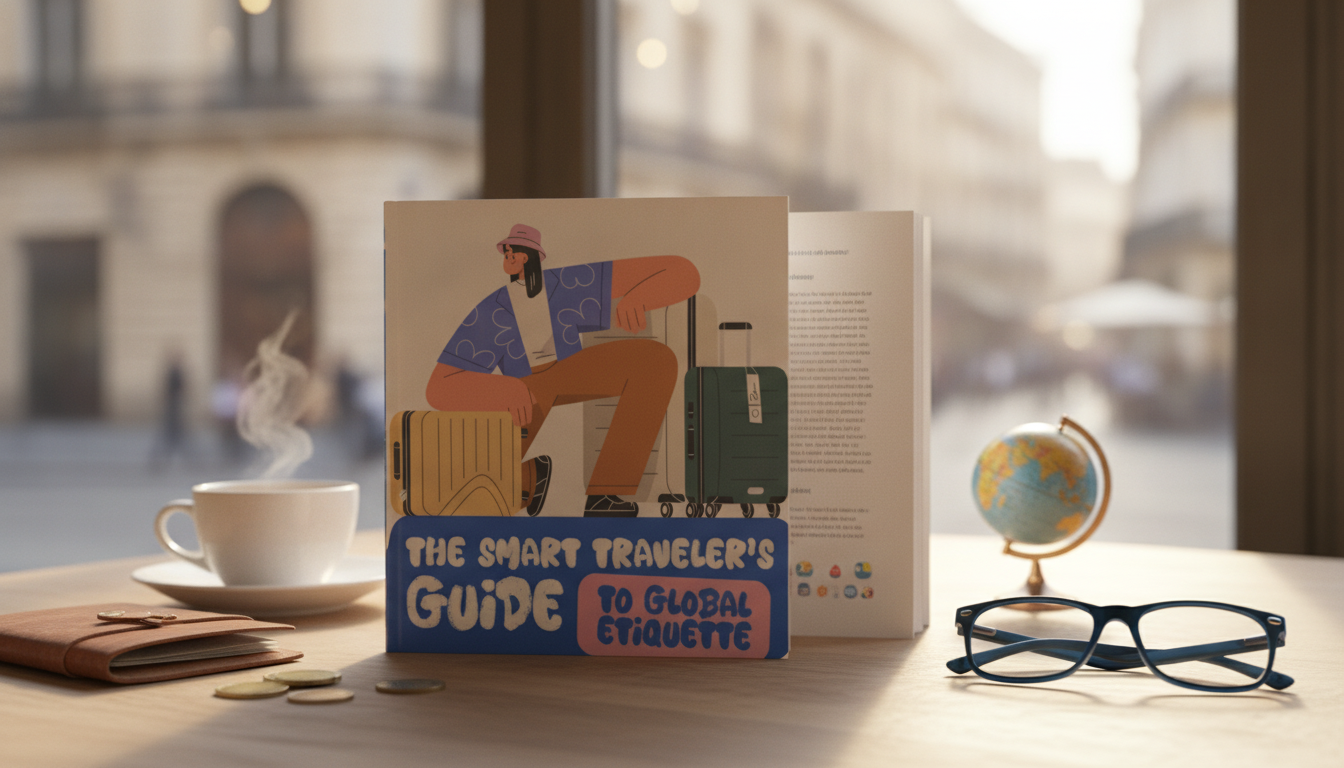
The Smart Traveler’s Guide to Global Etiquette: Cultural Tips That Make Every Trip Smoother
Small manners can make a big difference abroad—whether it’s greeting someone correctly, handling tipping, or navigating public spaces without offending. This guide breaks down the most common etiquette moments travelers face and offers practical habits that help build trust, avoid misunderstandings, and show respect across cultures.
What “Good Etiquette” Looks Like When You’re Far From Home
Etiquette is highly contextual: the same behavior can read as warm in one country and disrespectful in another. Rather than aiming for perfection, focus on visible respect—basic greetings, modest behavior in sensitive spaces, and a willingness to adapt.
A reliable approach is “watch, pause, mirror.” Observe how locals handle volume, physical distance, pace, and formality, then match it. When something goes sideways, assume good intent on both sides. A calm tone and a quick apology often resets the moment faster than overexplaining.
Quick Etiquette Wins Before You Land
A few minutes of prep can prevent the most common friction points:
- Learn five essentials: hello, please, thank you, excuse me/sorry, and “Do you speak…?”
- Check greeting norms: handshake, bow, cheek kiss, or no-touch greeting—and who typically initiates.
- Confirm dress expectations: especially for religious sites, formal venues, beaches, and business settings.
- Understand money manners: tipping culture, whether cash is given with one or two hands, and how receipts are handled.
- Know “public rules”: queuing habits, eating on transit, noise levels, and phone etiquette.
For broader travel planning and safety guidance, it also helps to review official resources before departure, like the U.S. Department of State travel information and the UK Foreign travel advice.
Everyday Scenarios: What to Do (and What to Avoid)
Most etiquette missteps happen in ordinary moments—introductions, transit, meals, photos, and conflict. When unsure, choose the most conservative, least intrusive option.
Common Travel Moments and Polite Defaults
| Situation | Polite default | What often causes friction |
|---|---|---|
| Meeting someone new | Start formal; wait to be invited to first names or casual tone | Overfamiliar greetings, nicknames, or slang |
| Entering homes or certain venues | Look for cues about removing shoes; follow host lead | Keeping shoes on when shoes-off is expected |
| Dining out | Let the host guide ordering pace; ask before splitting bills | Assuming separate checks, rushing courses, or loud table talk |
| Using public transit | Keep volume low; offer seats where customary; queue patiently | Blocking doors, cutting lines, eating where discouraged |
| Taking photos | Ask permission; be discreet; respect “no photo” signs | Photographing people/children without consent |
| Handling conflict | Stay calm, lower voice, apologize briefly, and ask for the correct way | Arguing loudly or insisting on “how it’s done back home” |
Extra practical defaults that travel well
- Greetings & introductions: match the room’s formality; use titles until invited to do otherwise.
- Personal space & touch: keep a neutral distance; avoid casual touching unless it’s clearly normal locally.
- Gestures & body language: “OK,” pointing, or beckoning can offend in some places—use open-hand gestures when unsure.
- Photos & privacy: ask before photographing people, markets, religious spaces, or security areas.
- Shoes, hands, and seating: watch for shoes-off homes, dining customs, and whether it’s acceptable to sit with feet showing.
Dining, Tipping, and Gift Etiquette Without Awkwardness
Food is where cultural expectations show up fast—often in ways visitors don’t anticipate.
- Tipping is not universal: in some places it’s expected, in others it’s included or even unwelcome. When you’re uncertain, check the bill for a service charge, ask your hotel front desk, or look at local guidance before deciding.
- Paying the bill varies: in some cultures the inviter pays; in others splitting is normal. The smooth move is a polite question before the check arrives.
- Table manners differ: utensil use, where to place hands, and whether finishing everything is “good” can vary—follow the lead of locals at the table.
- Alcohol etiquette: accepting a toast may be meaningful; declining is fine when it’s brief and respectful (a simple reason, no lecture).
- Gifts: consider norms around numbers of items, wrapping, and whether gifts are opened immediately.
If your trip involves multiple countries (or quick border hops), confirm entry requirements and health rules ahead of time so you’re not solving problems under pressure. The IATA Travel Centre is a helpful starting point for passport, visa, and health information.
Business, Services, and Staying Respectful Under Pressure
Stress tends to amplify cultural differences—especially around service expectations, timing, and negotiation.
How to Choose a Global Etiquette Guide That Actually Helps
A Handy Companion for Cultural Confidence on the Go
If you like organizing travel prep in a single place, a structured planner can help you turn “I’ll remember” into a quick checklist you can actually use. Goal-Setting Guide for Real Results – Printable Goal Planner, SMART Goals Workbook & Productivity Template for Achievable Success is an easy way to map your pre-trip to-dos (documents, local norms to learn, budgeting, and backup plans) so cultural prep doesn’t get lost in the shuffle.
FAQ
What’s the quickest way to avoid offending people in a new country?
Learn a few basic phrases, start more formal than you think you need to, and keep your volume low in public spaces. When you’re unsure, observe locals for cues and ask a polite question rather than guessing.
How should tipping be handled when the rules aren’t clear?
Check for a service charge on the bill and ask your hotel front desk or a trusted local source what’s customary for that specific venue type. When tipping is normal, keep it modest and low-key rather than large or showy.
What should be done after making an etiquette mistake abroad?
Offer a brief apology, correct the behavior, and move on without a long explanation. A calm, respectful recovery is usually appreciated more than trying to justify yourself.






Leave a comment