Front & Back Seat Cover Set: Fit, Safety & Install Tips
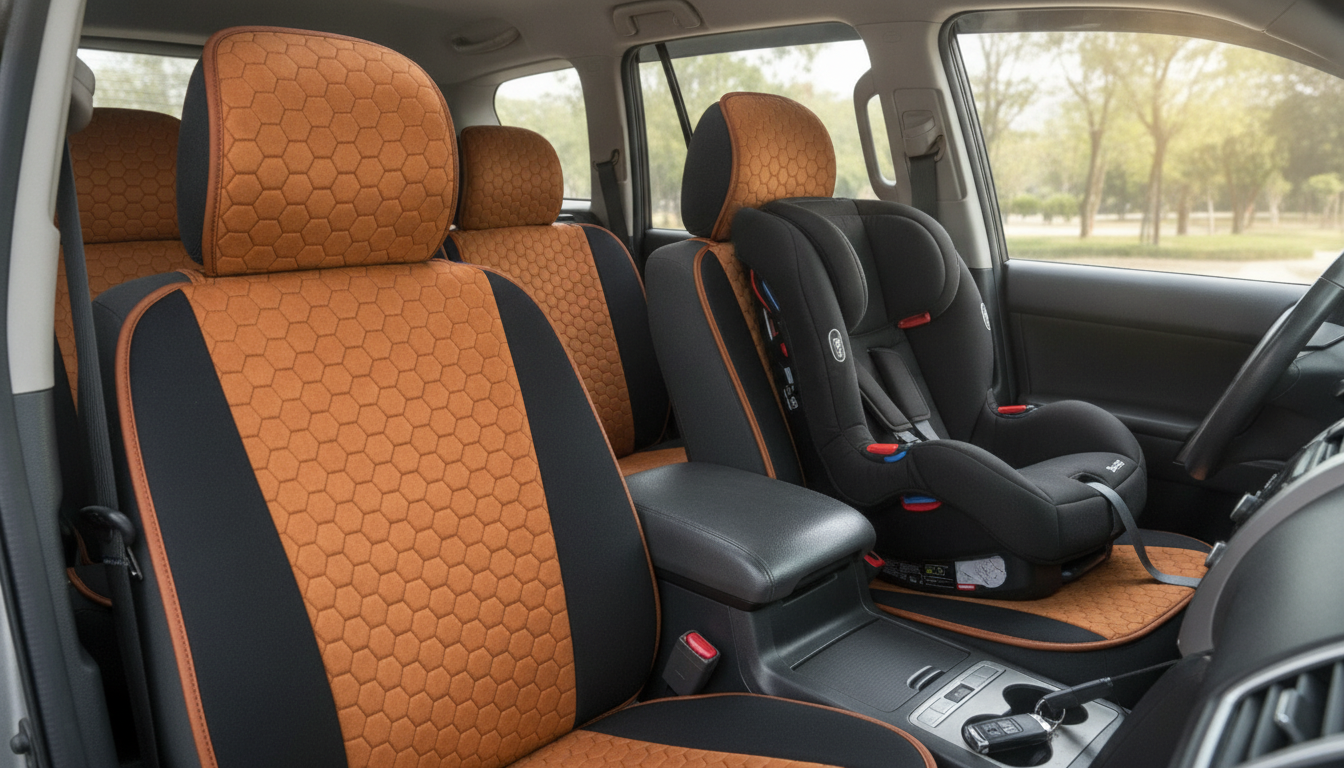
Front & Back Seat Car Seat Covers Set: A Practical Upgrade for Everyday Driving
A full cabin seat cover set helps keep upholstery looking new while improving day-to-day comfort. The right front-and-rear set can handle spills, pet hair, sand, and the constant in-and-out friction that slowly dulls factory seats. Below is a straightforward guide to what a full set protects, how to confirm fit for your vehicle, and how to install and care for the covers without interfering with seatbelts, airbags, or child-seat anchors.
What a Full Seat Cover Set Protects (and Why It Matters)
Seats take more abuse than most drivers realize: drink spills that soak into seams, grit that acts like sandpaper, and UV exposure that fades dyes over time. A front-and-back set adds a sacrificial layer that’s easier to clean or replace than original upholstery.
- Guards against spills, pet hair, sand, and daily abrasion that can fade or crack factory upholstery
- Helps preserve resale value by keeping stains and wear off the original seats
- Adds a refresh to older interiors without committing to reupholstery
- Useful for commuters, rideshare drivers, families with kids, and outdoor-oriented lifestyles
What’s Typically Included in a Front + Back Set
Most full sets cover the seats you touch most (front row) and the seats that tend to get the messiest (rear bench). The best ones balance coverage with access—meaning your belts, buckles, and anchors still work naturally.
- Front seating coverage: commonly the driver and passenger seat areas (often seat back + seat bottom) with openings for headrests
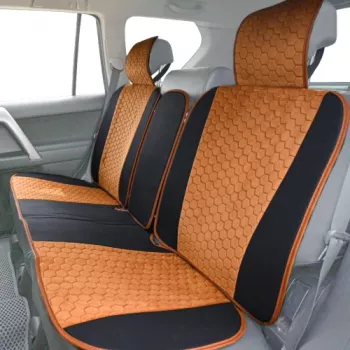
- Rear coverage: designed to protect the back bench area where most scuffs, snack spills, and pet mess happen
- Cutouts or pathways for seatbelts so belts can move freely and retract properly
- Attachment system (elastic edges, hooks, straps, or tuck-in flaps) to reduce shifting during entry/exit
Quick checklist before buying
| Check | Why it matters | How to confirm |
|---|---|---|
| Front-seat shape | Reduces bunching and sliding | Compare cover silhouette to your seat bolsters and headrest style |
| Rear bench layout | Ensures the back row lays flat | Verify 60/40 split, fixed bench, or separate headrests |
| Seatbelt access | Prevents unsafe belt routing | Look for dedicated belt slots and reinforced openings |
| Airbag compatibility | Maintains side-airbag deployment pathways | Choose covers labeled compatible for side airbags where applicable |
| Child-seat anchors | Keeps LATCH/ISOFIX accessible | Confirm access points for lower anchors and top tether routes |
Fit and Compatibility: Getting the Right Match for Your Vehicle
“Universal” doesn’t always feel universal once you start tightening straps. A few minutes of checking dimensions and seat features can save a lot of frustration.
- Measure and compare: seat width, back height, headrest style (integrated vs removable) can change how a cover sits
- Check rear-seat details: split-fold seats, center armrests, and cupholders require compatible openings or modular pieces
- Consider seat features: heated seats, ventilated seats, and lumbar controls may require thinner materials or precise openings
- Account for vehicle type: compact cars often need slimmer patterns; SUVs/trucks may need longer back coverage and stronger anchors
If your rear bench has multiple headrests, confirm the cover has matching headrest openings. If your seats have prominent side bolsters, look for a cut that won’t pull tight across the edges (which can cause shifting and wrinkles).
Safety Notes: Airbags, Seatbelts, and Child Seats
Seat covers should protect your interior without changing how safety systems function. Seatbelts must route cleanly and retract smoothly; airbags need clear deployment pathways; child seats must install exactly as designed.
- Seatbelts should never be routed under fabric that adds friction; belt webbing must slide and retract normally
- Side-airbag areas should not be tightly wrapped in a way that could delay deployment; choose designs intended for side-airbag seats when needed
- Child seats must be installed exactly as the car and child-seat manuals describe; confirm lower anchors and top tethers remain reachable and unobstructed
- After installation, perform a quick safety check: buckle/unbuckle every seating position and verify full belt retraction
For additional seatbelt and child passenger safety guidance, consult NHTSA’s seat belt resources and NHTSA’s child passenger safety information. You can also review seatbelt fundamentals from the IIHS.
Comfort and Cabin Feel: Materials, Temperature, and Grip
Protection is the baseline; comfort is what you notice every day. Material choice affects temperature, grip, and how “quiet” the seat feels as you move.
- Breathability: fabric or perforated surfaces can reduce heat buildup in warm climates
- Grip and stability: anti-slip backing, elastic hems, and anchor straps help keep covers from shifting
- Texture and noise: smoother surfaces can be easier to wipe; textured surfaces may hide minor wear better
- All-season use: consider how the material feels in hot summers and cold winters, especially if the car sits in direct sun
Installation Guide: A Reliable Order of Operations
Cleaning and Care for Long-Lasting Coverage
Best Use Cases and Common Mistakes to Avoid
Recommended Add-On for Family Cars and Daily Drivers
Shop In-Stock Options
FAQ
Will a full seat cover set work with side airbags?
It depends on the cover design and where the seat’s side airbag deploys. Choose a set labeled compatible for side-airbag seats when needed, and avoid tightly wrapping or cinching fabric over airbag panels.
Can seat covers be used with child seats and LATCH/ISOFIX anchors?
Yes, as long as the child seat can be installed exactly as required by both the vehicle and child-seat manuals. Confirm lower anchors and top tether points remain accessible, and avoid adding thick padding that could change the child seat’s fit.
How do seat covers stay in place without sliding?
Good covers use elastic hems, hooks or straps, tuck-in flaps, and sometimes anti-slip backing. Tighten in stages, re-tuck after a few days, and adjust strap routing if you notice shifting during entry and exit.








Leave a comment