Dog Walking Bum Bag: Treat & Poop Bag Pouch Setup
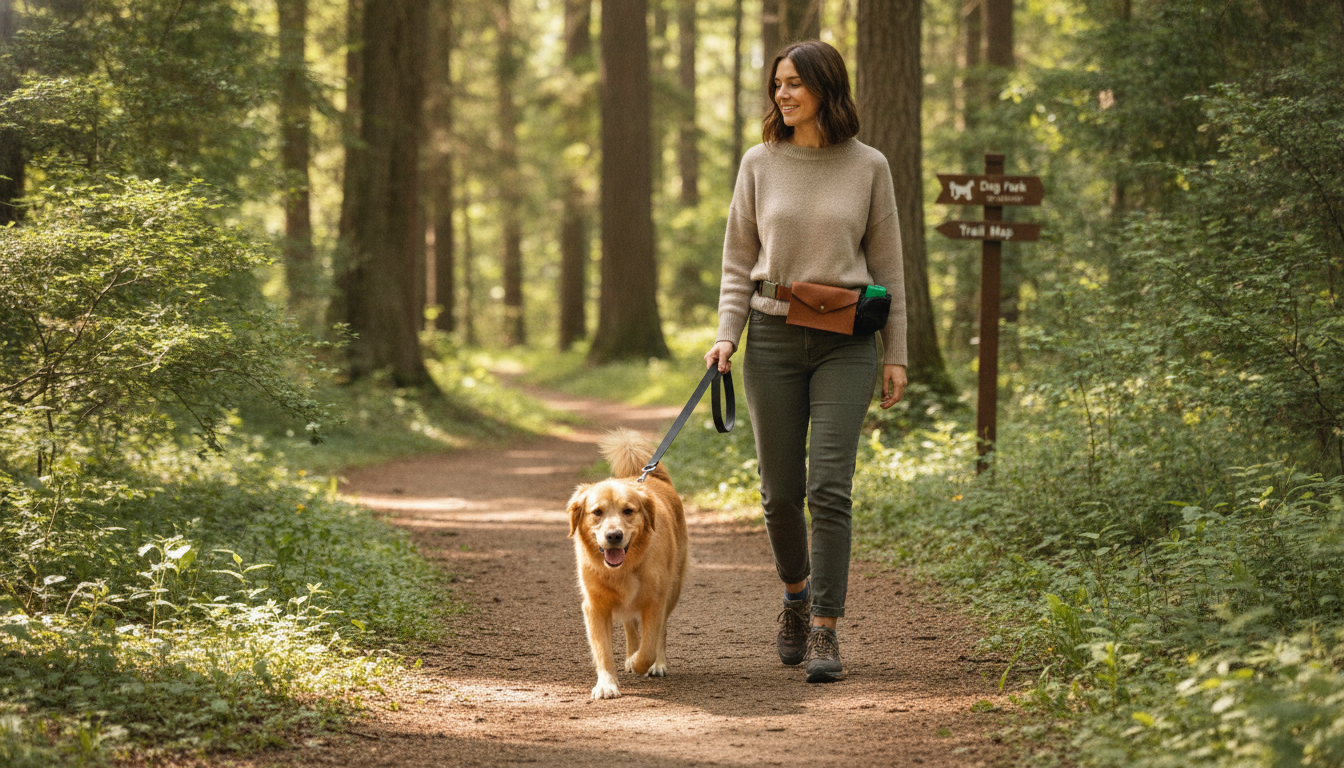
A hands-free walk is easier when the essentials stay organized and within reach. A dedicated bum bag for dog walking keeps treats, poop bags, and small personal items separated, secure, and quick to access—without stuffing pockets or juggling loose gear. Whether you’re practicing loose-leash skills, heading to a busy park, or just doing the daily loop, a “Pooch Pouch” style bag helps you stay consistent and ready.
What a dog-walking bum bag is for
A purpose-built dog-walking bum bag is designed around quick timing and clean separation. It keeps training treats accessible so rewards happen the moment your dog makes a good choice—especially helpful for leash work and recall practice. Many designs also include a dedicated area for poop bags and odor-prone items, lowering the chance that waste supplies mingle with snacks or personal belongings.
By moving weight to the waist (or across the torso), it can feel steadier than carrying items by hand or in a tote, and it reduces the “where did I put that?” scramble that can derail training. The result is a more routine-based walk where the same essentials stay packed and ready to go.
Key features to look for in a “Pooch Pouch” style bag
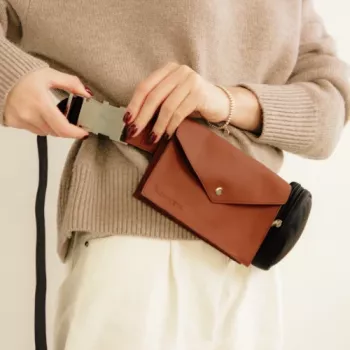
The best setup is the one you can use one-handed while holding a leash. Look for a dedicated treat compartment that opens easily without spilling when you bend down to pick up waste or adjust a harness. A separate poop-bag area—ideally with a dispenser slot—makes it easy to pull a bag quickly without unzipping the entire pouch.
- Dedicated treat compartment that opens easily with one hand
- Separate area for poop bags, ideally with a dispenser slot for quick pulls
- Secure closures (zippers, magnetic snaps, or tight drawstrings) to prevent spills when bending
- Adjustable waist strap that can also be worn crossbody if preferred
- Easy-wipe interior or lining to handle treat oils and outdoor dirt
- Low-profile shape that won’t bounce excessively during brisk walks
For training, fast access matters. Positive reinforcement relies on well-timed rewards; keeping treats ready helps you reinforce behaviors reliably (see the American Kennel Club’s positive reinforcement basics for a helpful overview).
How to set up the bag for smoother walks
Small setup tweaks can make a big difference when your hands are busy. Start with a washable inner pouch or silicone liner for treats—especially if you use higher-value options that leave oils behind. Pre-load a poop-bag roll and do a quick test pull to confirm the bags dispense smoothly without tearing.
- Pack treats in a small washable pouch or silicone liner to simplify cleaning
- Pre-load a poop-bag roll and test the pull so bags dispense without tearing
- Place phone on the body-side pocket (if available) for better security
- Keep keys on a clip or mini carabiner so they don’t rattle into treats
- Add a small hand wipe pack or a few folded paper towels for quick cleanups
If your walks include structured training goals (like “no pulling past driveways” or “sit at every curb”), a simple plan can help you stay consistent. A printable planner like the Goal-Setting Guide for Real Results – Printable Goal Planner, SMART Goals Workbook & Productivity Template for Achievable Success can be an easy way to map weekly practice sessions and track progress without overcomplicating your routine.
Capacity planning: what typically fits
Most dog-walking bum bags are meant for essentials, not a full daypack. Planning capacity keeps the bag light, stable, and easier on longer routes.
- Treats for a short training session plus a backup portion for distractions
- One poop-bag roll, plus a spare roll for longer routes
- Phone, keys, and a card holder (or minimal wallet) for errands
- Small sanitizer, wipes, or a folded waste-bag sleeve
- Optional: a lightweight collapsible bowl for warm weather walks
Quick packing checklist
| Item | Why it helps | Tip |
|---|---|---|
| Treats | Reinforces good leash manners and focus | Use higher-value treats for busy streets |
| Poop bags | Responsible cleanup and compliance with local rules | Carry one extra roll for unexpected needs |
| Wipes/sanitizer | Cleaner hands and faster cleanup | Store in a sealed mini pouch to prevent leaks |
| Phone/keys | Safety and convenience | Keep in a zip pocket to reduce drop risk |
Comfort and fit: getting the strap right
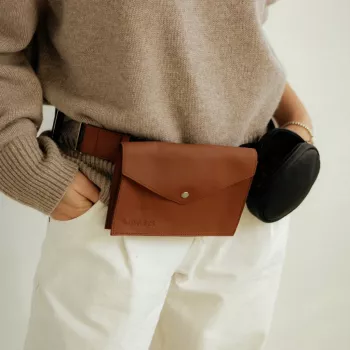
Fit is what separates “barely notice it” from “constantly adjusting.” Wear the bag snug enough to prevent bouncing, but not tight enough to restrict breathing—especially if you speed-walk or jog. Many people prefer positioning it slightly off-center at the hip so it doesn’t interfere with leash handling or front pockets.
How to choose the right option when stock is limited
Care, cleaning, and keeping snacks fresh
Walking etiquette and waste handling basics
For pet waste hygiene and everyday safety reminders, the CDC’s Healthy Pets, Healthy People resources are a solid reference.
FAQ
How do treats stay separate from poop bags in a dog walking bum bag?
Most dog-walking bum bags use separate compartments, with poop bags stored in a dispenser pocket while treats sit in a dedicated pouch. Adding a washable inner liner for treats helps prevent odors and keeps crumbs contained.
Can a bum bag be worn crossbody for dog walking?
Yes—many styles have adjustable straps that work around the waist or across the body. For easier access and less bouncing, wear it in front and keep the pouch near your hip line.
What should be packed for a 30–60 minute walk?
Bring treats, poop bags (plus a spare roll), phone/keys, and wipes or sanitizer for quick cleanup. In warm weather, consider adding a small water option or a lightweight collapsible bowl.






Leave a comment