Dog Walking Waist Bag: Treat & Poop Bag Organizer
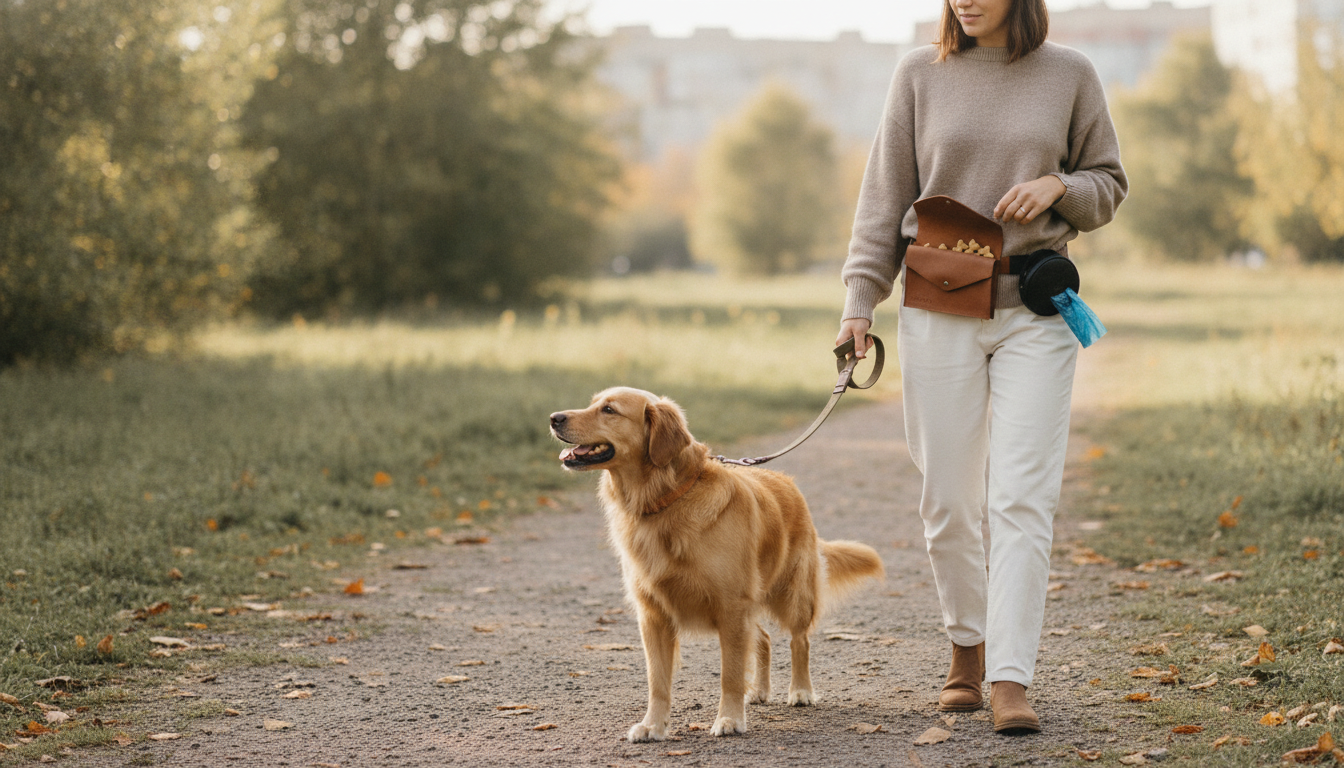
Dog Walking Waist Bag for Treats & Poop Bags: A Practical Carry-All for Daily Walks
A waist bag built for dog walks keeps the essentials in one place—treats, poop bags, keys, and a phone—so hands stay free for the leash. The right layout makes rewards faster, cleanups simpler, and routines smoother whether it’s a quick neighborhood loop or a longer outing. When everything has a “home” and can be reached with one hand, training moments are easier to capture and the walk stays relaxed instead of rushed.
What a walk-ready waist bag should handle
Not every small bag works well for dog walking. A purpose-friendly setup focuses on speed, hygiene, and comfort while you’re moving.
- Quick access to treats without digging: a dedicated treat pocket helps with timely rewards during leash training and recall practice. Good timing is central to reward-based methods, including approaches recommended by the American Kennel Club (AKC).
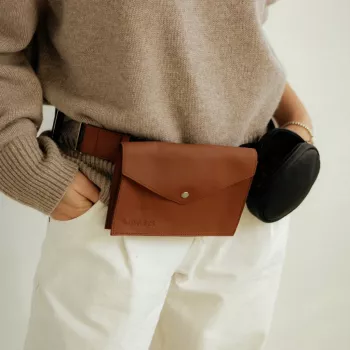
- Easy poop-bag dispensing: a built-in dispenser-style opening or dedicated sleeve prevents fumbling when timing matters—especially when the leash is taut or your dog is stepping around you.
- Room for personal items: phone, keys, cards, and a small sanitizer bottle are common walk add-ons, particularly for park stops or quick errands.
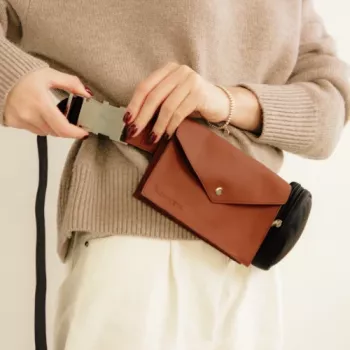
- Comfort while moving: an adjustable waist strap, stable fit, and low-bounce profile reduce shifting during brisk walks, jog-walk intervals, or stairs.
- Materials that cope with real life: wipe-clean surfaces and sturdier zippers/stitched seams hold up to dirt, drool, and weather changes.
How to set it up for smoother walks
A waist bag works best when it’s packed the same way every time. Consistent placement reduces “where did I put that?” moments and makes mid-walk tasks feel automatic.
- Load order that saves time: place treats in the fastest-access pocket, poop bags in the dispenser slot, and personal items in a zip pocket.
- Pack a small “cleanup kit”: a few extra bags, a folded wipe, and a spare tie-off bag help with muddy paws, unexpected mess, or a broken roll.
- Keep high-value treats separate: use a small inner pouch or baggie to prevent crumb build-up and mixed scents (helpful if you rotate treats).
- Clip items that must not be lost: attach keys to an internal loop (if available) or a mini carabiner so they don’t slip out during a treat grab.
- Adjust before leaving: tighten the strap so the bag rests snugly above the hips to reduce bounce—especially important if your dog tends to surge at the start.
Suggested pocket layout for a typical 30–60 minute walk
| Bag area | What to store | Why it helps |
|---|---|---|
| Fast-access pocket | Training treats (small pieces) | Delivers rewards immediately for better timing |
| Dispenser slot / bag sleeve | Poop bag roll + 2 loose spares | Speeds up cleanup and avoids running out |
| Zipper pocket | Phone, keys, cards | Prevents drops and protects valuables |
| Side/aux pocket | Wipes or hand sanitizer | Keeps hands clean without heading home early |
How to Choose the right waist bag for treats and poop bags
Small design differences can change how the bag feels in real use. Prioritize the features that match your dog’s behavior and your usual route.
- Treat access style: look for an opening that can be used one-handed; magnetic or structured openings tend to be faster than deep zip pockets.
- Poop-bag dispensing: confirm the dispenser opening aligns with standard bag rolls and doesn’t snag bags on the way out.
- Capacity vs. bulk: choose the smallest size that fits essentials; extra space can increase bouncing and shifting.
- Fit range and stability: an adjustable strap should fit comfortably over a light jacket; a wider strap can reduce pressure points.
- Cleaning needs: treat crumbs and greasy snacks can build up—wipeable lining or removable inner pouches simplify maintenance.
- Walk environment: for rainy or dusty routes, prioritize materials that resist moisture and can be wiped down quickly.
Everyday benefits during training and routine walks
A well-organized waist bag isn’t just about storage—it changes how smoothly the walk flows, especially when training is part of the routine.
- Better timing for rewards: quick treat access supports consistent reinforcement for heel, focus, and calm greetings.
- Less leash-hand juggling: when bags and treats are organized, one hand can stay on the leash while the other handles rewards or cleanup.
- Cleaner pockets and hands: keeping treats and bags out of jacket pockets reduces linty snacks and accidental leaks. Carrying hand sanitizer or wipes also supports basic hygiene guidance from the CDC’s hand hygiene basics.
- More consistent habits: when the bag stays packed by the door, forgotten essentials become less common—especially poop bags.
Care and cleaning tips
Product option to consider
If you also want a simple way to stay consistent with walking goals, training sessions, or weekly restock reminders, consider adding a printable planner: Goal-Setting Guide for Real Results – Printable Goal Planner, SMART Goals Workbook & Productivity Template for Achievable Success.
FAQ
Will standard poop-bag rolls fit in a waist bag dispenser?
Most poop-bag rolls are similar in size, but dispenser openings vary. Check that the slot is wide enough for your usual roll and test for smooth pull-through; carrying a couple of loose backup bags helps if a roll binds mid-walk.
How can treats be carried without making the bag smell?
Use a small baggie or removable liner inside the treat pocket and choose less greasy treats when possible. Wipe the compartment after walks and let the bag air out fully at home to reduce lingering odors.
Is a waist bag better than a crossbody bag for dog walking?
A waist bag is often steadier with less bounce because it anchors at the hips, which helps during brisk walks and training. A crossbody can be more comfortable for layering or if you prefer chest carry, but it may swing more when you move quickly.






Leave a comment