Space Capsule Cat Backpack Guide: Comfort, Fit & Safety
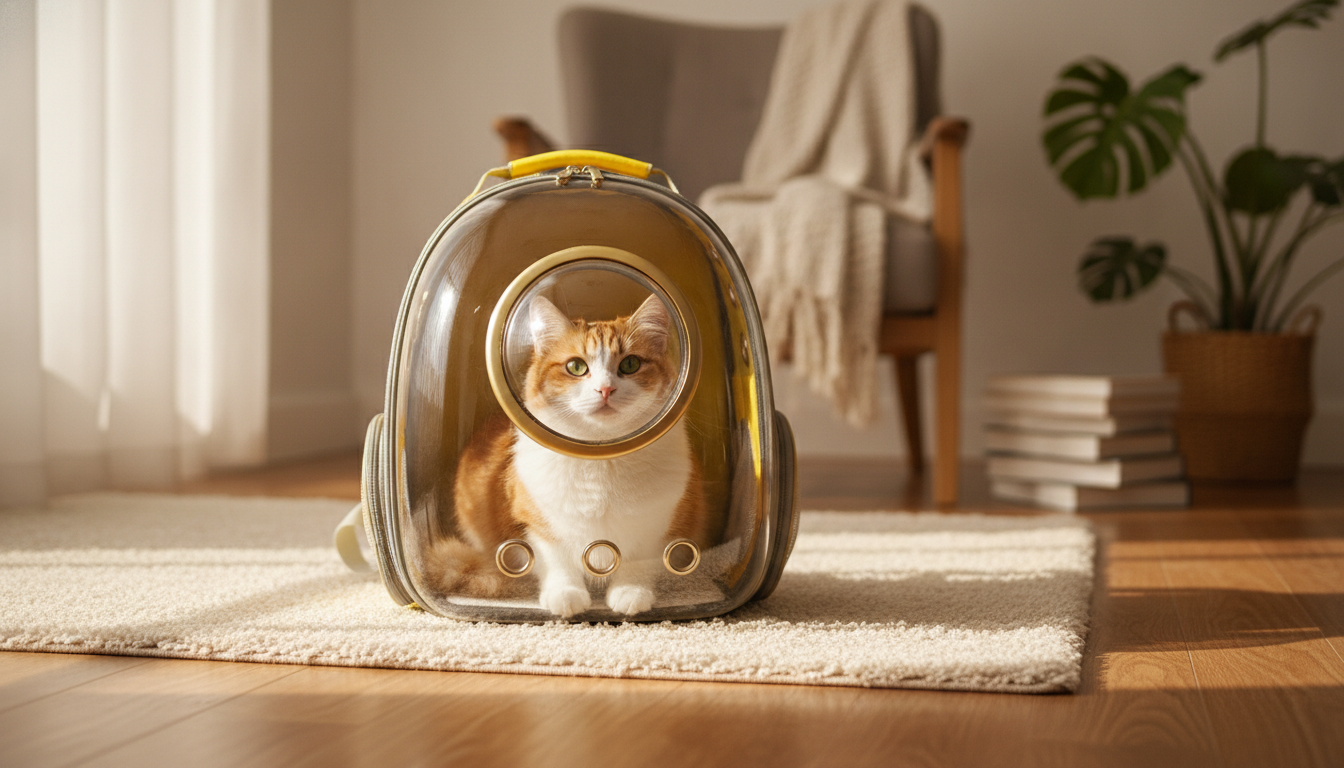
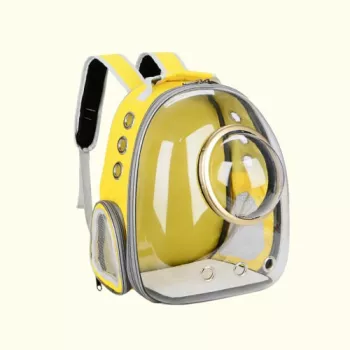
Luxury Cat Space Capsule Transparent Backpack
A transparent “space capsule” backpack can make everyday errands, vet visits, and calm outdoor strolls easier by keeping a cat close, supported, and able to look around without being handled. The right carrier balances visibility with airflow, a stable base, and comfortable straps so the pet feels secure and the person wearing it can move confidently through doors, elevators, and busy sidewalks.
What Makes a Space Capsule Backpack Different
Unlike traditional soft carriers, a space capsule-style backpack typically uses a structured shell and a clear viewing window. For many curious cats, seeing the environment while remaining safely contained can reduce panic and constant pawing at openings. The backpack format also keeps both hands free for transit tickets, a phone, or navigating stairs and doors—small conveniences that matter when you’re managing a pet in public.
A sturdier frame can help prevent the “collapse” that some soft totes experience when set down or when the wearer leans forward. That structure can give a cat a more stable seated position, especially when paired with a firm bottom insert. These backpacks tend to work best for short-to-moderate outings; for longer days, plan breaks, offer water when appropriate, and monitor how well your cat is resting and thermoregulating.
Comfort and Safety Features to Look For
Ventilation that actually moves air
Clear panels can trap warmth if airflow is limited, so prioritize designs with multiple vents or mesh sections on more than one side to promote cross-ventilation. On warm or sunny days, minimize direct sun exposure and keep trips brief. For general travel safety guidance, see the American Veterinary Medical Association (AVMA) traveling with your pet resource.
A firm base and comfortable pad
A level bottom insert helps prevent sliding, which can create stress and pressure on joints. A removable, washable pad helps with traction and odor control. If the pad compresses over time, replace it—cats often settle more calmly when the floor feels solid and familiar.
Supportive carry system
Look for padded shoulder straps, adjustability, and a supportive back panel. Better weight distribution reduces bounce and helps keep the carrier upright, which can lessen motion stress for the cat. A chest strap can add stability for longer walks.
Secure entry and closures
Sturdy zippers and minimized escape gaps are essential, especially for cats that push at seams when nervous. A wide opening can make loading gentler: it’s easier to guide the cat in slowly rather than “tipping” them into a narrow top entry.
Visibility vs. privacy
Some cats love the panoramic view; others settle faster with partial cover. A light cloth drape over part of the bubble can reduce stimulation during loud moments—just make sure vents remain unblocked and air can still circulate. The ASPCA’s general cat travel tips are also helpful for planning calmer outings.
Sizing and Fit: Getting the Right Match
Measure your cat before choosing a carrier. Use a soft tape measure to check length (nose to base of tail) and height (floor to top of shoulders). The goal is enough interior space to sit upright and turn around without constant rubbing, while keeping the carrier stable and not oversized to the point of sliding.
Always confirm the maximum supported pet weight and avoid pushing the limit. Even if a backpack “technically” holds your cat’s weight, leaving a safety margin can improve comfort and reduce strain on straps and seams. Also consider body type: long cats may need more floor length; broad cats may need extra width.
Fit matters for the wearer, too. Adjustable straps and a compatible torso length help the carrier sit high enough to avoid bumping your hips while walking. If you’re between sizes, choosing the next size up can help only if it doesn’t allow the cat to shift around; stability matters as much as roominess.
| Check | What to confirm | Why it matters |
|---|---|---|
| Interior length | Cat can lie down without curling tightly | Reduces stress and fatigue |
| Interior height | Cat can sit upright without touching the top constantly | Improves comfort and breathing |
| Vent placement | Vents are not blocked by the cat’s body when seated | Keeps airflow consistent |
| Base rigidity | Bottom stays flat when lifted | Prevents sliding and pressure points |
| Strap support | Straps are padded and adjustable; carrier stays upright | Reduces bounce and motion stress risk |
How to Choose
Getting Your Cat Comfortable With the Backpack
Care, Cleaning, and Everyday Practicalities
A Handy Companion for Planning Pet-Friendly Outings
Consistency helps cats feel safe, and a simple checklist-style routine can make training sessions and travel prep easier to repeat. If you like having a structured way to track practice rides, vet-day timing, and what calmed your cat (treats, drape coverage, cooler hours), consider a printable planner such as Goal-Setting Guide for Real Results – Printable Goal Planner, SMART Goals Workbook & Productivity Template for Achievable Success.
FAQ
Is a transparent backpack safe for cats in warm weather?
It can be safe if the backpack has strong ventilation and you avoid direct sun, long durations, and hot environments. Travel during cooler times of day, watch closely for panting or drooling, and never leave your cat in a parked car.
How long does it take to carrier-train a cat to a backpack?
Many cats adjust in a few days, while others need a few weeks of gradual exposure. Use treats and short sessions, and back off if your cat shows fear signals so the carrier doesn’t become a trigger.
What size space capsule backpack does my cat need?
Measure your cat’s length and shoulder height, then choose a carrier that allows sitting and turning comfortably while staying stable. Confirm the backpack’s weight rating and prioritize a firm base and good strap support over extra empty space.









Leave a comment