New Kitten Feeding Guide: Schedule, Portions & Food Tips

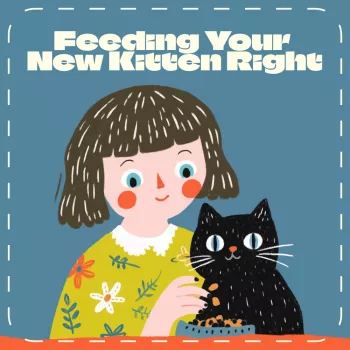
Feeding Your New Kitten Right: Healthy Growth and Happy Mealtimes
A new kitten’s body and brain grow fast, and the right food routine helps support steady weight gain, strong bones, healthy digestion, and confident eating habits. A simple plan—start with a proven diet, feed on an age-appropriate schedule, and adjust based on weekly weigh-ins—keeps meals from turning into a daily guessing game.
What a Growing Kitten Needs From Food
Kittens aren’t just “small cats.” Their food needs to be denser in calories and nutrients to fuel growth, play, and immune development. Start by looking for a diet labeled “complete and balanced” for kittens (or “growth”/“all life stages” from a reputable brand).
- Kitten-specific nutrition: A complete and balanced kitten-labeled diet is designed for higher energy and nutrient needs than adult cat food.
- Animal protein: Quality protein supports muscle development and overall resilience.
- Healthy fats (including DHA when available): Fat provides energy and supports brain and eye development.
- Calcium and phosphorus balance: The right ratio matters for bones and teeth—one reason homemade “balanced” recipes can go wrong without veterinary formulation.
- Taurine: An essential nutrient for heart health and vision; cats must get it from their diet.
- Moisture support: Wet food (or adding water to food when appropriate) can help hydration, especially for kittens that don’t drink much yet.
For a deeper overview of nutrition checks veterinarians use, the AAHA Nutritional Assessment Guidelines and the WSAVA Global Nutrition Guidelines are strong references.
What Food to Start a New Kitten On
The first week home is a big adjustment. Keeping food consistent helps reduce stress-related stomach upset.
- Start with what they were already eating (if you can): it’s the simplest way to avoid diarrhea and food refusal.
- Choose a “complete and balanced” kitten formula in wet, dry, or a measured combination.
- Wet food advantages: Often easier for young kittens to eat, usually more aromatic, and helps boost hydration.
- Dry food advantages: Convenient and can work for busy households, but portioning matters—free-pouring makes overfeeding easy.
- Avoid cow’s milk: It can cause digestive upset. Use a veterinarian-approved kitten milk replacer only when needed (typically for orphaned or very young kittens).
- Keep treats minimal: Treats and toppers shouldn’t replace balanced meals.
Feeding Schedule by Age (and When to Change It)
Kittens do best with smaller, more frequent meals early on. As they grow, you can reduce meal frequency and increase portions—while still keeping an eye on body condition and stool quality.
Quick Feeding Rhythm Guide (General Starting Point)
| Kitten age | Meals per day | Texture ideas | Notes |
|---|---|---|---|
| 0–4 weeks | Every 2–4 hours | Kitten milk replacer | Orphaned kittens need specific support; consult a veterinarian |
| 4–8 weeks | 4–6 | Gruel (wet food + warm water) then soft wet food | Introduce shallow dishes; keep meals warm, not hot |
| 8–12 weeks | 4 | Mostly wet, or wet + measured dry | Keep routine consistent; watch stool quality |
| 3–6 months | 3 | Wet + dry combination | Adjust portions as growth spurts happen |
| 6–12 months | 2 | Wet, dry, or combo | Monitor body condition; avoid “free-pouring” kibble |
Very young kittens (especially under 8 weeks) may need bottle feeding or a carefully prepared gruel—follow veterinary guidance if the kitten is orphaned or underweight. Most kittens transition to adult food around 12 months, though some larger breeds may take longer.
How Much to Feed Without Overfeeding
Food packaging can be helpful, but it’s a starting range—not a personalized prescription. The goal is steady growth with a lean, healthy body shape.
- Start with the label’s feeding guide, then adjust based on your kitten’s growth and energy level.
- Weigh weekly at first: steady gain is expected; rapid gain can mean too many calories or too many extras.
- Use body condition as your reality check: ribs should be easy to feel but not sharply visible.
- Split daily calories across meals: young kittens handle smaller meals better than large portions.
- Keep “extras” small: treats and toppers should stay under about 10% of daily intake.
- If mixing wet and dry, measure both so you don’t accidentally double-feed.
Switching Foods Gently (7–10 Day Plan)
Common Feeding Pitfalls (and Simple Fixes)
- Loose stool after adoption: keep food consistent, avoid sudden treat changes, and transition slowly.
- Food refusal: check freshness, warm wet food slightly to boost aroma, and offer a quiet eating spot away from foot traffic.
- Messy eaters: use shallow bowls, a non-slip mat, and smaller portions more often.
- Resource guarding in multi-pet homes: feed pets separately and pick up leftovers after mealtimes.
- Human foods that can be dangerous: avoid onions, garlic, chocolate, grapes/raisins, xylitol, alcohol, and cooked bones. For a detailed safety list, see the ASPCA guide to people foods to avoid.
How to Choose a Kitten Food That Fits Your Home
A Practical Toolkit for Confident Mealtimes
Goal-Setting Guide for Real Results – Printable Goal Planner, SMART Goals Workbook & Productivity Template for Achievable Success can be used as a practical log for feeding schedules, portion adjustments, and weekly weight checkpoints so changes don’t rely on memory alone.
FAQ
Should a kitten eat wet food, dry food, or both?
Wet, dry, or a combination can work as long as the diet is complete and balanced for kittens. Wet food supports hydration, while dry food is convenient—if you combine them, measure total daily portions so calories don’t creep up.
How often should an 8-week-old kitten eat?
Many 8-week-old kittens do best with about four small meals per day to keep energy steady and support digestion. Keep the schedule consistent and monitor appetite and stool; underweight or orphaned kittens should follow veterinary guidance.
When can a kitten switch to adult cat food?
Most kittens transition to adult food around 12 months, though some larger breeds may take longer. Make the switch gradually over 7–10 days to reduce stomach upset.










Leave a comment