Best Age for a Play Tent: Toddler to 8+ Guide
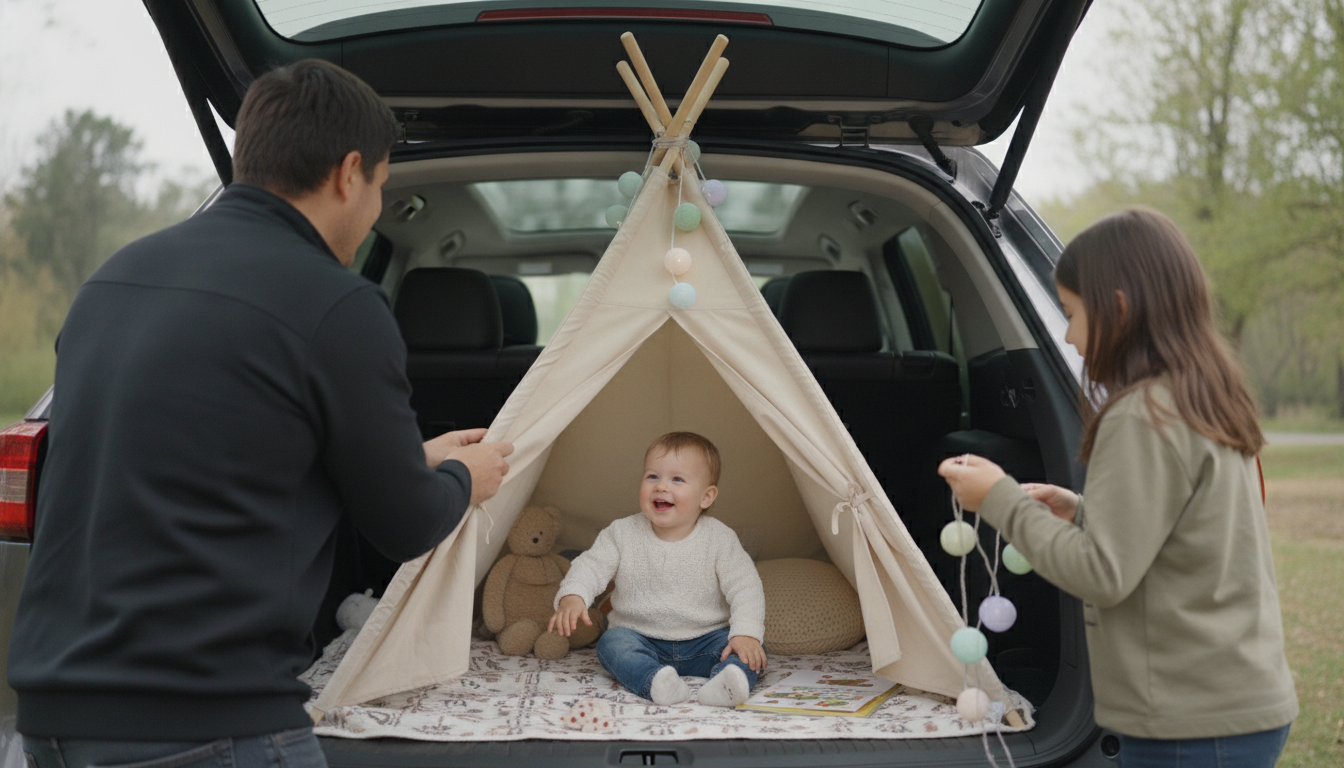
What is the best age for a play tent?
The best age for a play tent is typically 18 months to about 8 years old, with the “sweet spot” landing between ages 2 and 6. Toddlers enjoy simple peekaboo play and a cozy space to reset, while preschoolers and early elementary kids turn a tent into a fort, reading nook, pretend shop, or campsite. The right choice depends less on a single age and more on safe materials, roomy sizing, and how your child likes to play.
Why play tents work so well for toddlers (around 18 months–3 years)
At this stage, a play tent is most useful as a calm, familiar spot. Look for soft fabric, sturdy poles, and an easy-to-enter opening. Kids this age may tug, lean, and climb in and out often, so stability matters. Simple add-ons—like a small pillow or a couple of board books—can turn the tent into a go-to quiet corner.
Why ages 3–6 are often the peak years
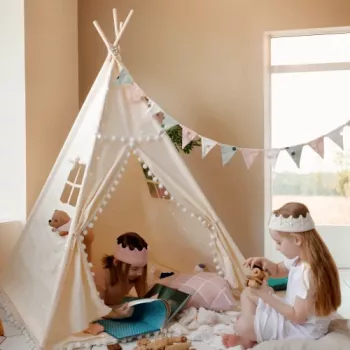
Preschool and kindergarten kids use imaginative play constantly, and a tent becomes a “set” for whatever story they’re acting out. A larger footprint helps when friends or siblings join, and a higher peak makes it easier for an adult to reach in to help without collapsing the structure. Many families get the most daily use during these years.
What about older kids (6–8+)?
Older children may use a play tent differently—more like a private hangout, reading den, or sleepover fort. If you want longevity, prioritize a taller design, breathable fabric, and enough floor space for stretching out. Neutral styles can also feel less “little kid” as they grow.
Choosing the right tent for your child
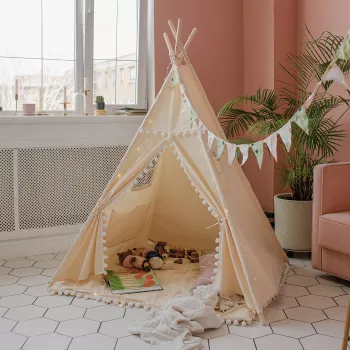
Focus on safety and fit: age recommendations from the manufacturer, washable materials, smooth seams, and a stable frame. If your child loves spreading toys out, go wider; if they crave a snug retreat, a cozier size can feel more comforting. For more tips on picking a comfortable indoor setup, visit this guide to children’s play teepee tents.
FAQ
How do I make a play tent cozy for indoor play?
Add a soft rug or padded mat, a couple of pillows, and a lightweight blanket, then keep a small basket of books or quiet toys nearby. Warm string lights made for kids’ spaces (kept out of reach) can make it feel inviting without adding clutter.







Leave a comment