4-in-1 Anxiety Relief Bundle: Mindfulness, Prompts & Checklist
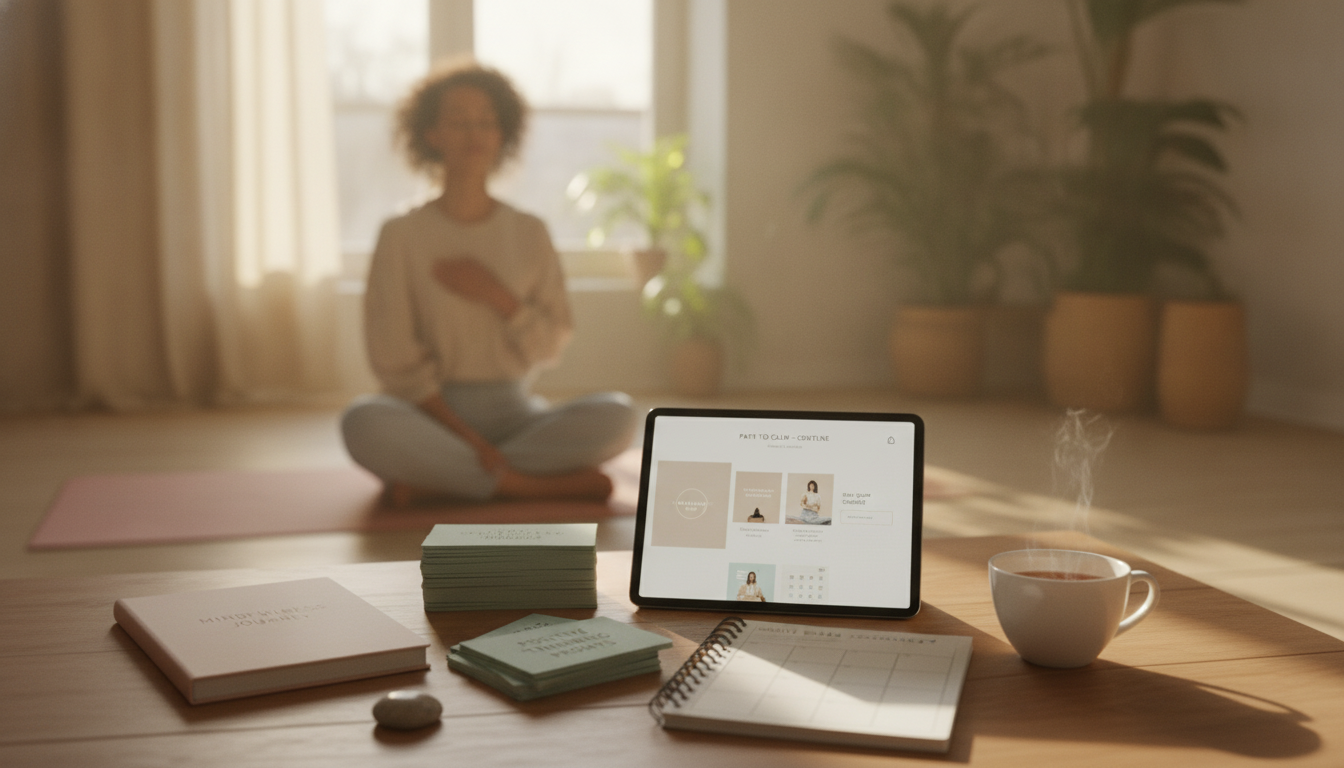
The Anxiety Relief Bundle: A Path to Calm — A Practical 4-in-1 Toolkit for Daily Grounding
Feeling anxious can make even simple routines feel heavy. The Anxiety Relief Bundle: A Path to Calm is designed as a compact, do-anywhere toolkit that supports steadier days through mindfulness exercises, positive thinking prompts, a printable checklist, and a course-style outline. Used consistently, these resources can help turn “what do I do right now?” into a clear next step—at home, at work, or on the go.
While anxiety can show up differently for everyone, many people benefit from simple, repeatable skills that lower the intensity of the moment and reduce the chance of spiraling later. Reputable organizations like the National Institute of Mental Health and the American Psychological Association describe anxiety as common and treatable, and mindfulness as a helpful practice for many people when used appropriately and consistently.
What’s Inside the 4-in-1 Bundle
- Mindfulness exercises: Short practices for attention, breathing, and body awareness—useful during spikes of worry or as a daily reset.
- Positive thinking resources: Structured prompts that encourage balanced self-talk (not forced positivity), helping reduce spirals and catastrophizing.
- Printable checklist: A quick-reference tool to guide moments of stress with simple actions (pause, breathe, reframe, move, connect).
- Course outline: A step-by-step sequence to help build a routine over time rather than relying on willpower in the moment.
- Best fit: People who want guided structure and repeatable exercises instead of starting from a blank page.
How to Use the Bundle Week by Week
- Week 1 — Stabilize: Choose one mindfulness exercise and practice it daily for 3–5 minutes; use the checklist during anxious moments.
- Week 2 — Notice patterns: Track common triggers (time of day, situations, thoughts) and pair each with one calming action from the checklist.
- Week 3 — Reframe gently: Use positive thinking prompts to challenge all-or-nothing thoughts; replace them with realistic alternatives.
- Week 4 — Build a routine: Follow the course outline to combine a short mindfulness practice + a reframing prompt + a quick end-of-day check-in.
- Consistency tip: Keep the printable checklist visible (desk, fridge, phone wallpaper) so the next step is always easy to find.
This week-by-week approach is meant to reduce pressure. Instead of trying to “fix” everything at once, it focuses on building one reliable skill at a time—then stacking small practices into a routine you can actually maintain on busy days.
A Quick Look at the Components and When They Help Most
- Use mindfulness when the body feels activated (racing heart, restlessness, tight chest).
- Use positive thinking prompts when thoughts loop (“What if…”, “I can’t handle this”).
- Use the checklist when decision-making feels foggy and a simple script is needed.
- Use the course outline when motivation drops—structure reduces the mental load of planning.
Bundle Components at a Glance
| Component | Best time to use | What it supports | Typical duration |
|---|---|---|---|
| Mindfulness exercises | During stress spikes or as a daily practice | Nervous system settling, present-moment focus | 3–10 minutes |
| Positive thinking prompts | After anxious thoughts show up | Balanced self-talk, perspective shifts | 5–15 minutes |
| Printable checklist | When overwhelmed or stuck | Clear next actions, grounding steps | 1–5 minutes |
| Course outline | To build a weekly routine | Progression, habit-building | 15–30 minutes (as scheduled) |
How to Choose a Calm-Down Tool That Actually Gets Used
- Choose by friction level: The easiest tool to start is often the one that helps most (many people begin with the checklist).
- Choose by your main symptom: Physical anxiety often responds well to mindfulness; thought loops often respond well to reframing prompts.
- Choose by time window: Match the tool to what is realistic—1 minute (checklist), 5 minutes (mindfulness), 15 minutes (prompts), weekly planning (course outline).
- Choose by environment: Pick silent practices for public settings and longer prompts for private, quiet time.
- Avoid the “perfect routine” trap: Start with one repeatable step and expand once it feels natural.
A practical rule: if a tool feels “too big” when you’re anxious, shrink it. Do one minute. Do one prompt question. Do one slow breath cycle. Small counts—especially when it’s repeatable.
Small Habits That Help the Bundle Work Better
- Create a cue: Pair a mindfulness exercise with an existing habit (morning coffee, lunch break, brushing teeth).
- Use a simple rating: Before and after each exercise, rate anxiety 0–10 to see what helps and build confidence in the process.
- Add supportive basics: Hydration, steady meals, light movement, and sleep routines can reduce baseline stress and make exercises more effective.
- Keep expectations realistic: The goal is often “a little calmer” rather than “perfectly calm,” especially early on.
- Know when to get extra support: Persistent or severe symptoms may require professional care alongside self-guided tools.
A Helpful Companion Resource for Planning Gentle Routines
If you want a simple way to organize your week and keep your calming practices visible, consider: Goal-Setting Guide for Real Results – Printable Goal Planner, SMART Goals Workbook & Productivity Template for Achievable Success.
FAQ
Is this bundle a replacement for therapy or medication?
No. It’s a self-guided support toolkit, not medical care, and it can be used alongside professional treatment. If anxiety is severe, persistent, or interfering with daily functioning, consult a qualified clinician for diagnosis and a personalized plan.
How quickly can results be noticed?
Some people feel a small shift after a single exercise, especially with breathing or grounding. More reliable, lasting benefits typically come from consistent use over several weeks as skills become easier to access under stress.
What if mindfulness makes anxiety feel stronger at first?
That can happen, especially if the body is highly activated. Try shorter practices, keep your eyes open, anchor attention to external senses (sounds, textures), and pause if distress rises; consider professional guidance if the reaction continues or feels unmanageable.







Leave a comment