Family Bonding Pack: 10–20 Minute Routines at Home & Out

Stronger Together: A Family Bonding Pack for Meaningful Time at Home and Outdoors
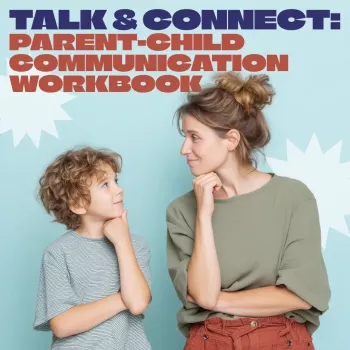
Busy weeks, mixed ages, and screens can make it hard to find simple ways to connect. A ready-to-use set of printable and digital activities helps families create small, repeatable moments that build closeness—without needing special supplies or elaborate planning. The goal is steady, low-pressure connection: a few minutes of attention, a shared task, and a quick wrap-up that leaves everyone feeling seen.
When time is tight, structure helps. The American Academy of Pediatrics also recommends creating intentional routines around family habits (including media use), which can make it easier to protect time for togetherness. See their guidance here: American Academy of Pediatrics — Family Media Plan.
What the Family Bonding Pack Includes
A family bonding pack is most useful when it removes decision fatigue. Instead of planning from scratch, you get prompts and mini-activities that can be repeated, swapped, or scaled up based on the day.
- Printable and digital activity prompts designed for kids and parents to do together
- A mix of at-home and outdoor connection ideas to fit different seasons and schedules
- A family time checklist to track simple wins and make bonding feel doable
- An eBook-style guide that organizes activities into quick starts, deeper connection sessions, and repeatable routines
- Low-prep options that work for siblings of different ages by adjusting roles and difficulty
Play and shared activities matter because they support learning, emotional regulation, and relationships—benefits highlighted by the American Psychological Association: American Psychological Association — The importance of play for children.
How to Use It for Busy Days (10–20 Minute Connection Routines)
Short routines are often the easiest to maintain. A simple pattern—question, action, wrap-up—creates a predictable “on-ramp” to connection, even on school nights.
- Pick one “micro-moment” each day: a short prompt at breakfast, after school, or before bedtime
- Use a predictable rhythm: one quick check-in question + one shared action (draw, build, walk, tidy together)
- Assign rotating roles so every child gets a turn to lead, choose, or time the activity
- Keep supplies in a small “bonding bin” (markers, paper, tape, cards) so starting doesn’t feel like a project
- End with a simple wrap-up: one thing learned about each other, one gratitude, or one plan for tomorrow
For parenting strategies that support consistency (especially during stressful seasons), the CDC’s practical guidance can be helpful: Centers for Disease Control and Prevention — Positive Parenting Tips.
At-Home Activities That Build Closeness
Home-based activities work best when they invite cooperation and keep the stakes low. Think “togetherness first,” not performance.
- Conversation starters that go beyond “How was your day?” with playful, age-flexible prompts (e.g., “What’s a tiny win from today?”)
- Cooperative challenges: build something together, create a family story, or solve a simple puzzle as a team
- Kindness and appreciation moments: notes, compliments, or small acts that reinforce belonging
- Family traditions in miniature: a weekly themed night, a shared playlist, or a “best moment” round at dinner
- Calm connection for high-stress days: breathing, stretching, or quiet drawing side-by-side
If siblings are far apart in age, assign roles by strength: younger kids can choose colors, set timers, or act out parts of a story; older kids can read prompts, keep score in cooperative games, or help a younger sibling succeed.
Outdoor Connection Ideas for Energy and Mood
Outside time often lowers tension and makes conversation feel easier. Many families find that side-by-side movement reduces pressure—especially for kids who shut down when questioned face-to-face.
- Walk-and-talk prompts that make conversation easier without intense eye contact
- Scavenger-hunt style teamwork to encourage observation (colors, textures, shapes, sounds)
- Movement-based bonding: relay games, timed challenges, or “create an obstacle course” using what’s available
- Nature noticing routines: each person finds something that matches a color, texture, or sound
- Quick resets: a 10-minute outside break to reduce tension and transition between activities
Family Time Checklist: Turning Good Intentions Into a Habit
Simple family bonding plan (choose what fits this week)
| Time available | At-home option | Outdoor option | Connection focus |
|---|---|---|---|
| 10 minutes | One question + doodle together | Short walk-and-talk loop | Emotional check-in |
| 20 minutes | Co-op challenge (build or solve) | Scavenger hunt (5 items) | Teamwork |
| 30–45 minutes | Family story night or mini-project | Park games or obstacle course | Shared memories |
| 60 minutes | Theme night (cook, create, play) | Picnic + group game | Belonging and tradition |
How to Choose the Right Activities for Your Family
Making It Work for Different Family Situations
Stronger Together: Turning Bonding Into a Repeatable Routine
One option that pairs well with family routines is a printable planner that helps map realistic goals, weekly rhythms, and small wins: Goal-Setting Guide for Real Results – Printable Goal Planner, SMART Goals Workbook & Productivity Template for Achievable Success. Use it to schedule micro-moments, rotate roles, and keep family time from getting lost in the week.
FAQ
What ages does the family bonding pack work for?
Most prompts can be scaled from preschool through preteen and teen by adjusting reading level, adding leadership roles for older kids, and simplifying choices for younger kids. Adult participation is part of the design, and sibling groups can share the same activity by using different roles.
How often should family bonding activities be scheduled?
A realistic cadence is a short daily moment (10–20 minutes) plus one longer weekly activity, with consistency valued more than duration. A checklist helps maintain momentum without turning bonding into a pressure-filled task.
Do the activities require special supplies or a lot of prep time?
Most activities are low-prep and use common household items like paper, markers, and tape. Keeping a small “bonding bin” and choosing outdoor options on hectic days helps you start quickly with minimal setup.










Leave a comment