Kids Play Teepee Tent: Cozy Indoor Nook Ideas
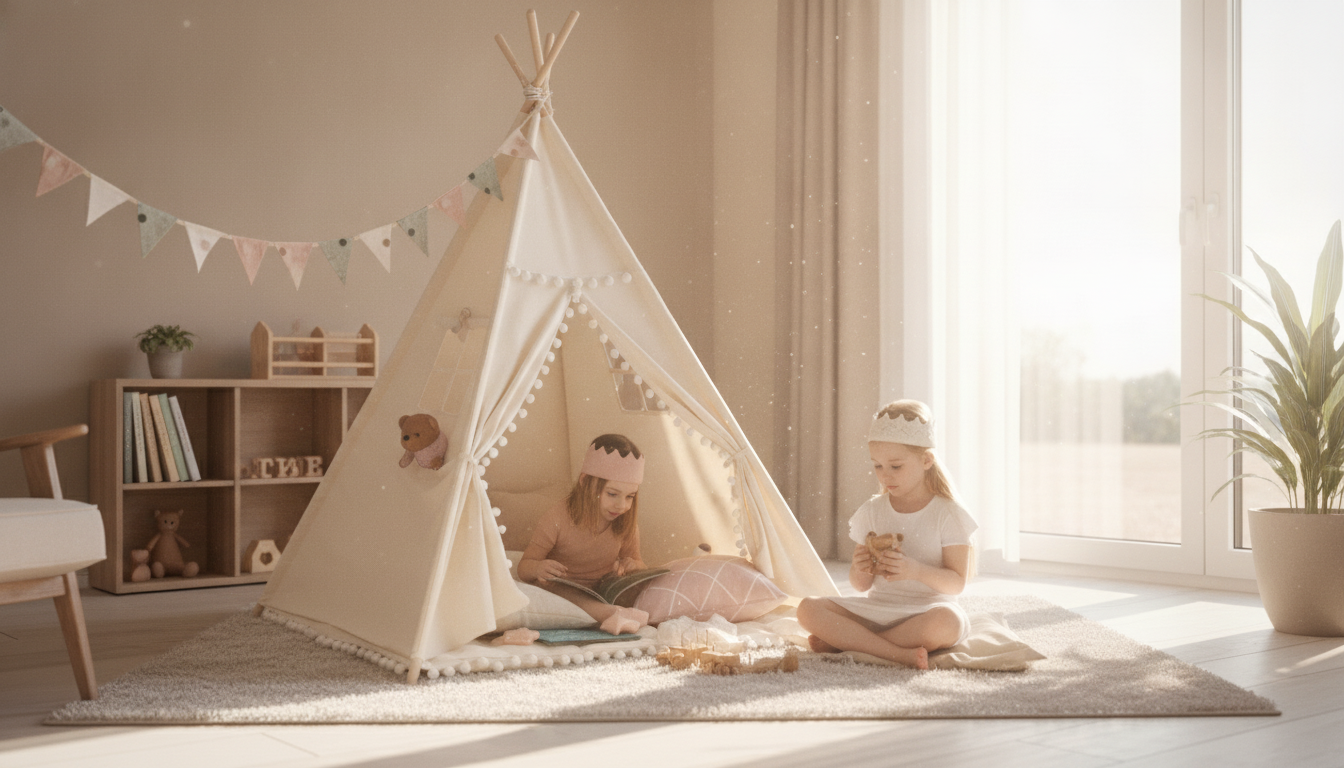
Kids Play Teepee Tent for Cozy Indoor Adventures
A play teepee can turn an unused corner into a mini world of its own—part reading nook, part pretend-camp site, part “I need a minute” hideaway. The best indoor teepees balance comfort, stability, and breathable materials, while staying easy to set up and simple to keep clean. With the right fit, a teepee becomes a go-to daily space that supports imaginative play without taking over the room.
What a Play Teepee Adds to Everyday Play
A teepee isn’t just cute decor—it’s a practical way to shape how kids use a space. Even in smaller homes, it can create a clear “kid zone” that feels special and contained.
- Creates a defined area for imaginative games, reading, puzzles, and quiet time
- Encourages independent play while still keeping kids nearby and visible
- Works as a calm-down space with a pillow, blanket, and a few favorite books
- Helps reduce clutter by giving toys a dedicated spot to land
- Makes hosting playdates easier by offering a shared activity space
How to Choose the Right Teepee for Your Space
Choosing a teepee is mostly about matching the tent’s size and structure to your room and your child’s age. A few quick checks upfront can prevent wobble, crowding, and frustration later.
- Measure the footprint and height: ensure it fits the room and allows safe clearance from shelves, lamps, and cords
- Pick a frame style: wood poles can feel sturdy; check connections and anti-slip features for smoother floors
- Look at fabric weight and breathability: cotton or cotton-blends often feel softer; ensure airflow through windows/vents
- Consider entry style: tie-back doors and wide openings make it easier for toddlers to get in and out
- Plan for cleaning: removable or wipeable components simplify maintenance after snacks, markers, or outdoor shoes
- Check what’s included: mat, window panels, pockets, bunting, lights, or carrying bag can change the value
- Match the age range: toddlers need extra stability and larger openings; older kids may prefer more headroom and interior space
Quick Teepee Fit Checklist
| What to check | Why it matters | What to look for |
|---|---|---|
| Footprint & height | Prevents crowding and tipping hazards near furniture | Enough clearance for entry, play, and ventilation |
| Frame stability | Reduces wobble during active play | Secure pole connectors, anti-slip caps, balanced stance |
| Fabric & seams | Comfort and durability over time | Reinforced stitching, soft feel, no rough edges |
| Ventilation | Helps keep the inside comfortable | Windows/mesh panels or openable flaps |
| Ease of cleaning | Keeps it usable for daily play | Washable fabric or easy spot-clean surfaces |
| Setup & storage | Makes it more likely to be used often | Simple assembly, compact storage option |
Comfort Features Kids Actually Use
The most-loved teepees tend to be the ones that feel cozy the moment kids crawl inside. Focus on features that support lounging, reading, and “setting up camp” with minimal adult help.
- Soft floor mat (or space for a small rug) to make the tent inviting for reading and lounging
- Interior pockets for books, flashlights, stuffed animals, or art supplies
- Windows that let kids peek out while still feeling “inside” their fort
- Tie-back door to switch between open play and a more enclosed hideaway
- Neutral designs that blend into family spaces without dominating the room
Safety and Material Notes for Indoor Tents
Indoor tents are generally low-risk when set up thoughtfully, but placement and routine checks matter—especially for toddlers who may push, lean, or climb.
- Place the teepee on a flat surface away from heaters, fireplaces, and candles
- Keep strings, cords, and small accessories out of reach for younger children
- Avoid adding heavy blankets over the top that reduce airflow
- Check regularly for loose connectors, splintering on poles, or torn seams
- Follow the manufacturer’s age guidance and supervise toddlers during active climbing-style play
For general toy and children’s product safety guidance, review resources from the U.S. Consumer Product Safety Commission (CPSC) and kid-safe environment tips from the American Academy of Pediatrics via HealthyChildren.org.
Setup and Placement Ideas
A teepee becomes more than a tent when it’s “staged” with a simple theme. Rotating small accessories can keep the same setup feeling fresh without buying more bulky toys.
Care, Cleaning, and Long-Term Durability
Kids Play Teepee Tent Option
If you’re setting up an indoor nook and want a simple add-on for planning themed weeks (reading corner, pretend camping, art day), a parent-friendly printable can help organize routines and keep the teepee setup feeling new without adding clutter. See: Kids Play Teepee Tent.
FAQ
What age is a play teepee best for?
Most play teepees work well from toddler years through early elementary, as long as the tent is stable and sized for how your child will use it. For younger kids, prioritize wide openings and sturdy frames, and follow the product’s age guidance with supervision.
How much space is needed for a teepee tent indoors?
Measure the teepee’s footprint and height, then leave enough clearance for kids to enter, sit, and play without bumping furniture. Place it away from heat sources and breakables, and test a corner or open wall area where walkways won’t get blocked.
How can a teepee be kept clean with everyday use?
Spot-clean messes as they happen, and wash removable fabric panels only as recommended to protect shape and stitching. Keeping snacks just outside the tent helps, and a quick weekly check of poles and connectors keeps everything sturdy.







Leave a comment