Car Booster Seats: Choose the Best Fit & Use It Safely
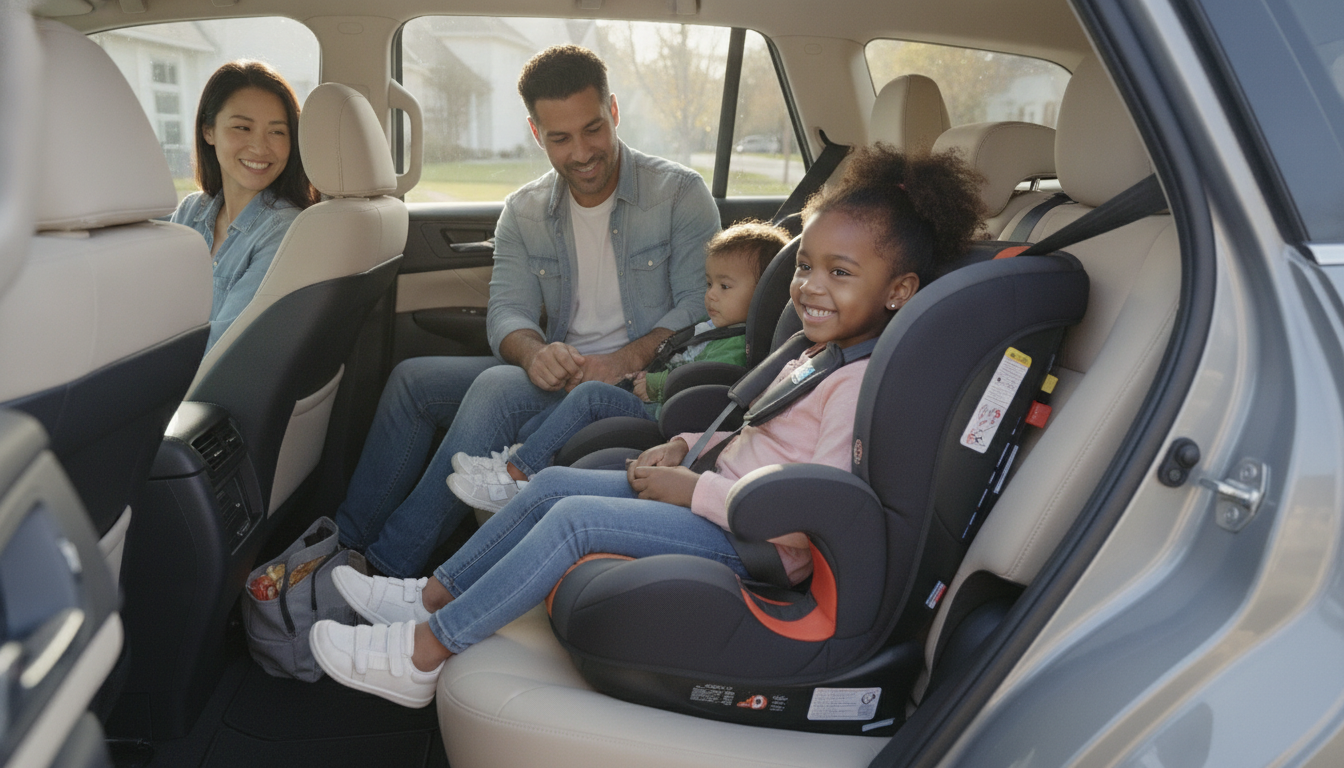
Car Booster Seat for Children: Fit, Comfort, and Everyday Safety
A booster seat helps position a vehicle’s seat belt so it fits a child correctly—across the strong bones of the hips and shoulder rather than the abdomen or neck. Choosing the right style and using it consistently can improve comfort on daily drives and provide better belt fit as children grow.
What a Booster Seat Does (and When It Helps)
A booster seat “boosts” a child’s seated height so the vehicle’s lap-and-shoulder belt lands where it’s designed to protect. Without that lift, the belt may ride up on the belly or cut across the neck—both uncomfortable and less protective in a crash.
- Raises a child so the lap-and-shoulder belt contacts the body at safer points.
- Improves belt routing: lap belt low on the hips/upper thighs; shoulder belt across the center of the chest and shoulder.
- Best suited for children who have outgrown a forward-facing harnessed seat but are not yet tall enough for an adult belt alone.
- Works only with a lap-and-shoulder belt; avoid using a booster with a lap-only belt unless the booster is specifically designed and approved for that scenario.
For additional guidance on seat types and transitions, see NHTSA’s car seat and booster seat resource and the American Academy of Pediatrics car safety overview.
How to Choose the Right Booster Seat
Good booster fit is a combination of your child’s size, your vehicle’s belt geometry, and how reliably the seat can be used correctly on real trips (school drop-off, carpools, weekend errands).
- Start with the child’s height and weight range and match it to the booster’s stated limits.
- Pick the style: high-back boosters can offer head/neck support in vehicles without tall seat backs or head restraints; backless boosters are often lighter and easier for carpools when head support is already adequate.
- Check belt fit in the intended seating position: the shoulder belt should not rub the neck or slip off the shoulder, and the lap belt should stay low and snug.
- Consider adjustability: multiple headrest positions or belt guides can help maintain good fit through growth spurts.
- Plan for the vehicle: measure seat depth and note whether the vehicle head restraint interferes with a high-back booster.
- Look for practical features that support consistent use: easy-to-clean fabric, cup holders for long rides, and simple belt routing that caregivers can repeat correctly.
Quick fit checks for booster readiness and belt placement
| Check | What “good” looks like | If it’s not good |
|---|---|---|
| Lap belt position | Low on hips/upper thighs; not across belly | Reposition belt through guides; try a different booster that improves lap belt fit |
| Shoulder belt position | Across mid-shoulder and chest; not on neck/face | Adjust headrest/belt guide height; try a high-back model for better routing |
| Seated posture | Back against seat; knees bend at seat edge without slouching | Try a different seating position or booster shape; avoid slumping with reminders and breaks |
| Vehicle head support | Head supported by seat back/head restraint | Choose a high-back booster or a seating position with proper head restraint |
| Belt stays in place | Belt remains positioned even when child moves | Check guide path and snugness; confirm belt retracts smoothly |
High-Back vs Backless: Picking a Style for Real-World Rides
Both styles can provide good belt fit when matched to the vehicle and used correctly. The “best” choice often comes down to where the booster will be used most and how the child rides on typical trips.
- High-back boosters can add side support and may help keep the shoulder belt aligned, especially for kids who nap in the car.
- Backless boosters can be easier to transfer between vehicles and store when not in use.
- Vehicle seat design matters: if the car seat back or head restraint doesn’t reach the child’s head, a high-back booster is often the better match.
- For frequent carpools, prioritize a booster that’s quick to buckle correctly every time.
If you’re comparing models, the Insurance Institute for Highway Safety maintains booster guidance and fit-focused recommendations at IIHS Booster Seat Recommendations.
Installation and Daily Use: Habits That Prevent Common Mistakes
Boosters typically don’t “install” like harnessed seats—your child and the seat belt are part of the system every ride. A simple, repeatable routine helps prevent common errors.
Comfort Features That Make Consistent Use Easier
A Practical Option to Consider
When to Move On From a Booster
FAQ
What age can a child use a booster seat?
Many children transition to a booster after outgrowing a forward-facing harnessed seat, which often happens in the early school years. Readiness depends on meeting the booster’s height/weight limits and being able to sit properly (no slouching or leaning) for the whole ride.
Can a booster seat be used with a lap-only seat belt?
Generally no—most boosters are designed to be used with a lap-and-shoulder belt. Always check both the booster seat manual and your vehicle manual for any specific exceptions or approved solutions.
Is a high-back booster safer than a backless booster?
Either style can be safe when it provides good belt fit and is used correctly every trip. High-back models can help with head support and shoulder-belt positioning in some vehicles, while backless boosters can work well when the vehicle seat and head restraint already provide proper support.







Leave a comment