Owleys Tailgate Car Dog Ramp: Safer SUV Loading
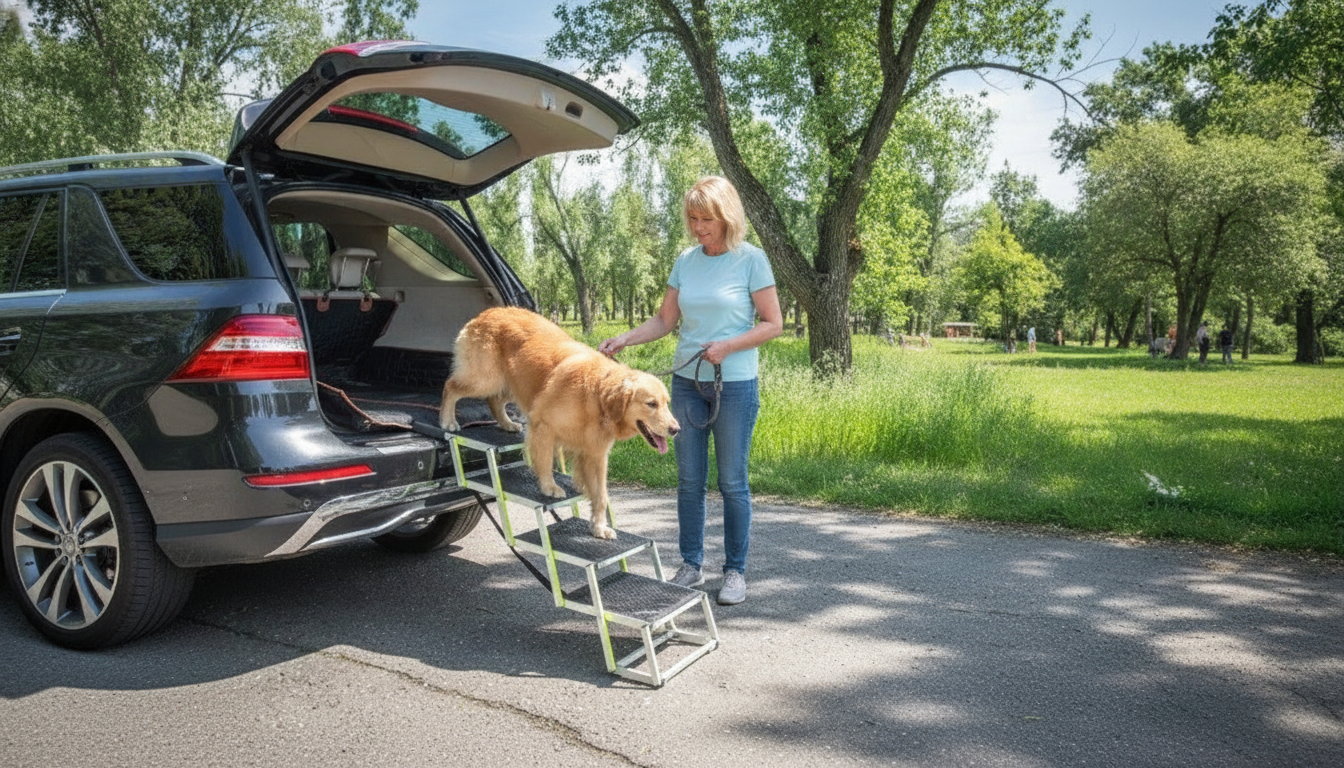
Car Dog Ramp “Tailgate” by Owleys
Helping a dog get in and out of a vehicle should be easy on joints, paws, and your back. A dedicated car ramp can reduce jumping, improve stability on wet days, and make travel more comfortable for senior dogs, short-legged breeds, and pups recovering from injury. If your dog hesitates at the bumper, needs a lift into the cargo area, or slips when hopping down, a ramp can turn loading into a calm, repeatable routine.
For general wellness guidance and mobility concerns, it can also help to review trusted pet-care resources from the American Kennel Club (AKC) and the American Veterinary Medical Association (AVMA).
What a Car Dog Ramp Solves
- Reduces impact on hips, knees, and spine compared with jumping down from a tailgate or SUV cargo area
- Improves access for seniors, large breeds, short-legged dogs, and dogs with mobility limitations
- Helps prevent slips on slick bumpers, wet pavement, or icy parking lots
- Makes loading safer when leashes, harnesses, or excited behavior make lifting risky
- Supports travel routines: vet visits, hikes, road trips, and daily errands
Even for healthy adult dogs, repetitive jumping can add up over time—especially when the landing surface is uneven, wet, or higher than usual. A ramp creates a predictable path that many dogs learn quickly once they trust the footing.
Car Dog Ramp “Tailgate” by Owleys: Key Features to Look For
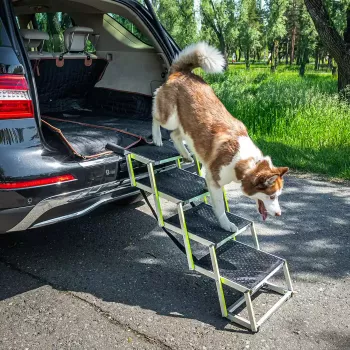
The Car Dog Ramp “Tailgate” by Owleys is built for vehicle entry support, aiming to reduce jumping and promote a steadier climb. When comparing ramps, these are the features that matter most in day-to-day use:
- Traction surface that helps paws grip during ascent and descent
- Stable base and secure top contact so the ramp doesn’t slide when weight shifts
- Gentle incline potential (especially important for seniors and long-backed breeds)
- Portability such as a foldable design and carry handle for easy storage
- Durable, wipe-clean, weather-tolerant materials for outdoor use
- Weight capacity appropriate for your dog’s size, plus a safety margin
Quick Ramp Checklist for Vehicle Loading
| Checkpoint | Why it matters | What to verify before first use |
|---|---|---|
| Traction | Reduces slipping and hesitation | Surface feels grippy; paws don’t slide when tested by hand |
| Stability | Prevents ramp movement and falls | Ramp stays in place with gentle push; top rests securely on the vehicle edge |
| Angle | Lower strain on joints | Ramp length fits the vehicle height to create a manageable incline |
| Portability | Encourages consistent use | Folds/stores where needed; easy to carry with one hand |
| Cleanability | Keeps car and paws cleaner | Surface wipes down; debris doesn’t embed easily |
| Capacity | Ensures safe loading | Rated limit exceeds dog’s weight with extra margin |
How to Choose the Right Ramp for a Tailgate, SUV, or Crossover
- Measure vehicle entry height: ground to cargo lip (or tailgate edge) to estimate the incline you’ll create.
- Match ramp length to height: longer ramps usually create a gentler slope; steep angles can increase fear and joint strain.
- Confirm weight capacity: include your dog’s weight plus typical movement (shifting, stopping) and consider multi-dog households.
- Check surface grip and side safety: textured surfaces and side edges can improve confidence for cautious dogs.
- Consider storage space: folded dimensions should fit in the cargo area without blocking essentials.
- Think about environment: rain, sand, and snow call for easy-clean materials and reliable traction.
- If a dog is hesitant, prioritize stability and traction over the lightest possible ramp.
A practical rule: if you look at the setup and immediately think “that looks steep,” your dog probably will too. When possible, choose a length that keeps the slope comfortable—especially for seniors and dogs with long backs.
Getting Started: Safer Ramp Training in Minutes
- Start on flat ground: let your dog walk over the ramp with treats before placing it on the vehicle.
- Use calm repetition: short sessions work better than forcing a full climb immediately.
- Add a leash for guidance (not pulling): keep it loose so your dog can place paws confidently.
- Build to vehicle height gradually: raise one end slightly, then progress to tailgate or cargo lip.
- Reward at the top and bottom: reinforce both directions so your dog doesn’t rush or jump off.
- Keep nails trimmed and paws clean for best grip, especially for smooth-coated or senior dogs.
Everyday Use Tips for Stability and Comfort
Product Snapshot
At-a-Glance Details
| Item | Detail |
|---|---|
| Product | Car Dog Ramp “Tailgate” by Owleys |
| Price | $82.51 USD |
| Product page | https://bolddropzone.shop/car-dog-ramp-tailgate-by-owleys/ |
Helpful Add-On for Organized Trips
For households juggling vet appointments, hiking days, and travel packing lists, a simple planning template can reduce last-minute rushing (which is when ramp setup often gets skipped). The Goal-Setting Guide for Real Results – Printable Goal Planner, SMART Goals Workbook & Productivity Template for Achievable Success can be used to map a repeatable “load the car” checklist and training schedule so ramp practice stays consistent.
FAQ
Will a car dog ramp help a senior dog that hesitates to jump?
Yes—ramps reduce the impact that comes from jumping down and can make entry feel safer when traction and the incline are comfortable. Start with gradual training and monitor for signs of pain; if discomfort seems likely, consult your vet for guidance.
How do you choose the right ramp length for a tailgate or SUV?
Measure from the ground to the cargo lip or tailgate edge, then choose a ramp length that keeps the slope gentle rather than steep. Longer ramps typically feel easier for large dogs, seniors, and long-backed breeds because they reduce joint strain and improve confidence.
How can a dog be trained to use a ramp without fear?
Begin with the ramp flat on the ground, reward calm steps, and keep sessions short. Gradually raise one end over multiple sessions, ensure the ramp doesn’t wobble or slide, and avoid forcing your dog—steady repetition builds trust faster than pressure.






Leave a comment