Balanced Meal Plans: 1-Week or 1-Month Simple Recipes
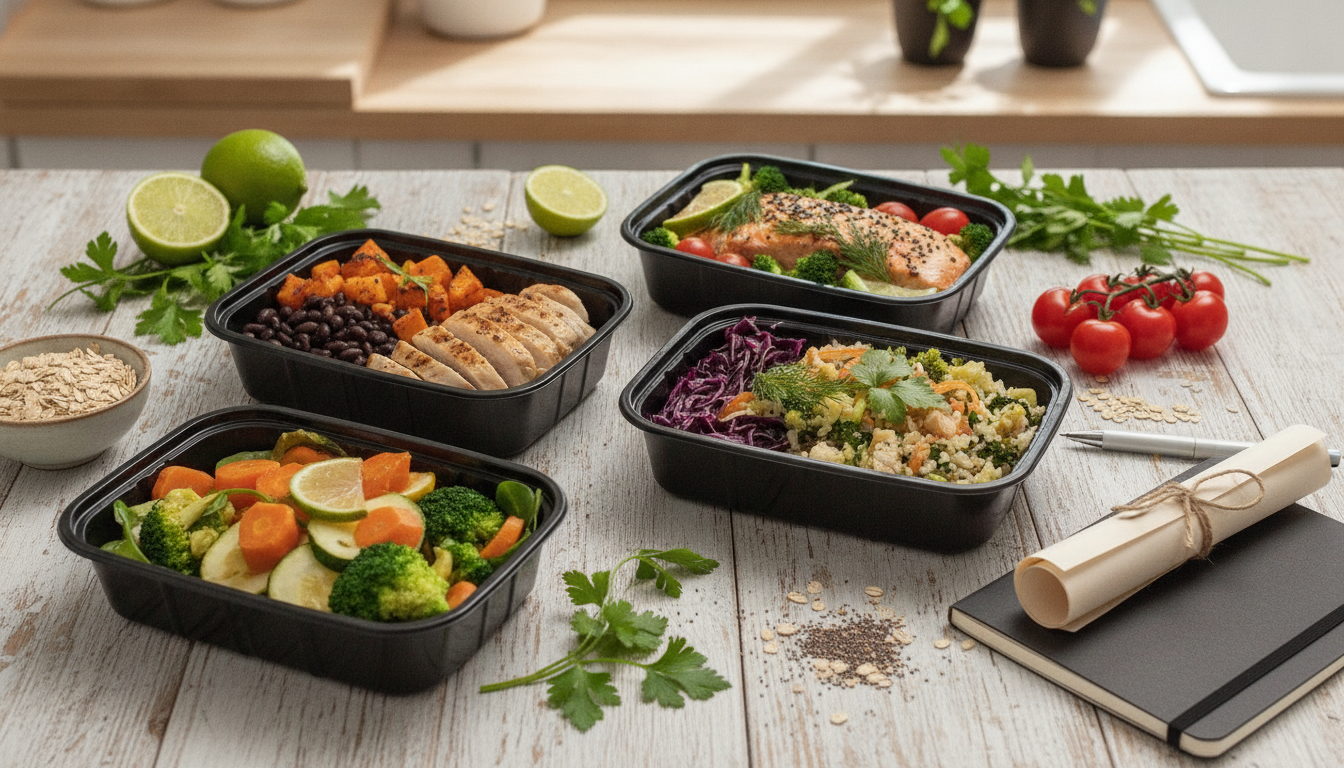
Healthy Meal Plans Made Simple: One Week or One Month of Balanced Recipes
A structured meal plan removes daily decision fatigue while making it easier to hit balanced nutrition goals. The most sustainable plans don’t require perfect cooking skills or a totally rigid schedule—they rely on satisfying breakfasts, buildable lunches, weeknight-friendly dinners, and snacks that keep energy steady. Whether you prefer a one-week reset or a one-month routine, the goal is the same: make balanced eating the easy default.
What a “balanced” meal plan looks like day to day
A balanced day isn’t about cutting entire food groups—it’s about combining them in a way that keeps you full, fueled, and consistent.
- Protein at each meal to support fullness and steady energy (beans, eggs, fish, poultry, tofu, yogurt).
- Colorful produce across the day for fiber and micronutrients—aim for variety rather than perfection.
- Quality carbohydrates that digest slower (oats, brown rice, quinoa, potatoes, whole-grain bread) paired with protein and/or fat.
- Healthy fats in practical portions (olive oil, nuts, seeds, avocado) for flavor and satisfaction.
- Hydration plan: water, sparkling water, unsweetened tea/coffee; limiting sugary drinks makes the whole plan easier to maintain.
If you like visual guides, helpful references include USDA MyPlate and the Harvard Healthy Eating Plate, both of which emphasize a mix of produce, protein, and smarter carbs.
Choose a one-week plan or a one-month plan
The best format is the one that matches your calendar and your tolerance for planning.
- One-week plan: ideal for a reset, a busy week, travel recovery, or testing new recipes without overcommitting.
- One-month plan: ideal for building routines, reducing grocery runs, and repeating a reliable breakfast/lunch rotation.
- Start with time available: planning 20–30 minutes weekly is often enough when meals are repeatable.
- Build in flexibility: one “leftovers” dinner and one “mix-and-match” meal each week helps prevent derailment.
Sample one-week structure (mix-and-match template)
| Day | Breakfast | Lunch | Dinner | Snack |
|---|---|---|---|---|
| Mon | Overnight oats + berries | Chicken/bean salad wrap + veggies | Sheet-pan protein + roasted vegetables | Greek yogurt + nuts |
| Tue | Veggie omelet + fruit | Grain bowl (brown rice/quinoa) + protein | Stir-fry with frozen veg + sauce | Hummus + carrots |
| Wed | Smoothie (protein + greens + fruit) | Leftover stir-fry bowl | Taco night (lean protein/beans) + slaw | Apple + peanut butter |
| Thu | Cottage cheese + fruit + seeds | Soup + side salad | Pasta + veggies + protein | Trail mix portion |
| Fri | Oatmeal + cinnamon + banana | Tuna/chickpea salad + crackers | Homemade “takeout” bowl | Edamame |
| Sat | Whole-grain toast + avocado + egg | Leftovers or salad kit + protein | Slow-cooker or one-pot meal | Fruit + cheese |
| Sun | Breakfast bowl (yogurt + granola + fruit) | Wrap or bowl from prepped ingredients | Leftovers / freezer-friendly meal | Dark chocolate square + berries |
Breakfast recipes that keep mornings on track
- Make-ahead options: overnight oats, chia pudding, egg muffins, yogurt parfait jars.
- Fast stovetop options: oatmeal with fruit and nuts, scrambled eggs with spinach, cottage cheese bowls.
- Smoothie formula: protein + fiber (berries/greens) + healthy fat (nut butter/chia) + liquid.
- Upgrade tips: cinnamon/vanilla add sweetness without extra sugar; frozen fruit keeps mornings consistent.
Lunches designed for workdays and leftovers
- Buildable bowls: base (greens/grains) + protein + crunch (seeds) + flavor (salsa/tahini/lemon).
- Wraps and sandwiches: pair with a high-fiber side (vegetables, fruit) to round out the meal.
- Soup-and-salad combos: batch-cook soup and rotate toppings (yogurt, herbs, beans, croutons) to avoid boredom.
- Storage strategy: keep dressings separate; portion grains and proteins so lunch assembles in about 2 minutes.
Dinners that stay balanced without complicated steps
- Three reliable formats: sheet-pan meals, one-pot meals, and stir-fries—easy to scale for leftovers.
- Plate balance cue: half vegetables, a quarter protein, a quarter carbs; add a small healthy fat for satiety.
- Flavor shortcuts: jarred salsa, pesto, curry paste, frozen herb cubes, and spice blends.
- Reduce weeknight friction: keep a “backup dinner” (frozen veggies + canned beans + microwave rice) for nights when cooking feels like too much.
For additional guidance on building meals that support a healthy weight, the CDC’s healthy eating resources can be a useful reference.
Snacks that support steady energy
- Pair protein + fiber: yogurt + berries, hummus + vegetables, nuts + fruit, cheese + whole-grain crackers.
- Portion first: pre-portion nuts/trail mix to prevent accidental overeating.
- Sweet snack swaps: fruit + nut butter; a dark chocolate square paired with fruit for satisfaction.
- If snacking feels constant: increase protein at breakfast/lunch and add more vegetables at dinner.
How to choose a meal plan format that fits real life
What’s included in the Healthy Meal Plan & Recipe Collection eBook
To stay consistent with any meal plan, many people find it helpful to track simple weekly actions (like prepping two proteins or cooking one batch meal). The Goal-Setting Guide for Real Results – Printable Goal Planner, SMART Goals Workbook & Productivity Template for Achievable Success can help map out a realistic routine and keep follow-through strong when life gets busy.
Simple prep routine for better follow-through
FAQ
Is a one-week meal plan enough to see benefits?
Yes. A week is often enough to build momentum through easier grocery shopping, fewer impulse meals, and more consistent portions. Many people repeat the same week or use it as a bridge into a monthly rotation.
Can recipes be adapted for vegetarian or higher-protein needs?
Most meals are easy to adjust by swapping proteins (beans, tofu, tempeh, eggs, Greek yogurt) or adding an extra protein serving. Keeping the vegetables and carbs similar helps the plan stay simple while meeting different needs.
How can a meal plan stay budget-friendly?
Use seasonal produce, frozen vegetables, beans and lentils, eggs, and canned fish, and repeat a few core ingredients across multiple meals. This reduces waste while keeping meals balanced and filling.










Leave a comment