Long-Handled Bath Brush: Gentle Exfoliation & Easy Reach
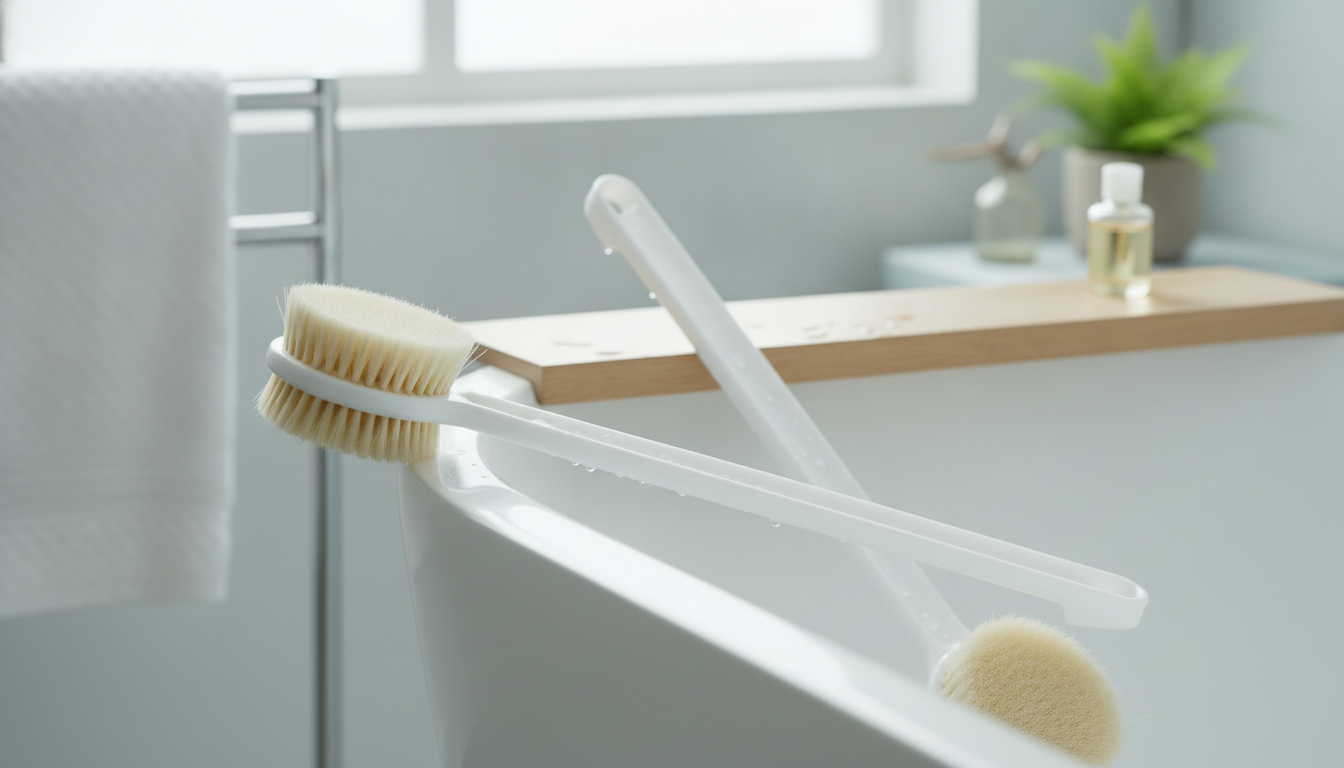
Long-Handled Exfoliating Bath Brush for Body Cleansing
A long-handled exfoliating bath brush makes it easier to clean areas that are tough to reach—like the mid-back, shoulders, and backs of the legs—while also lifting away the buildup that can leave skin feeling dull or uneven. With light pressure and a sensible schedule, it can support a smoother feel, a more consistent cleanse, and a shower routine that feels more refreshing without awkward twisting or over-scrubbing. For more guidance, see Dry Brushing: For Your Skin | Riordan Clinic.
What a Long-Handled Bath Brush Does
This tool combines reach and gentle friction to help improve day-to-day body cleansing. For further reading, see US Bath Brush Loofah Shower Sponge Long Handle Back Scrubber ….
- Extends reach for hard-to-clean areas like the shoulder blades, mid-back, and backs of thighs.
- Provides physical exfoliation to help remove surface dead skin and residue from body products.
- Supports a more thorough cleanse by spreading body wash more evenly and loosening dirt and oil.
- Works well for wet cleansing in the shower; some people also use similar brushes for dry brushing, though sensitivity varies.
Dermatologists commonly recommend keeping exfoliation gentle and avoiding overly aggressive scrubbing. For practical guidance, see the American Academy of Dermatology Association’s exfoliation tips.
Benefits for Everyday Body Care
- Smoother feel: regular, gentle exfoliation may reduce the feel of rough patches on elbows, knees, and heels.
- Better coverage: the longer handle helps clean the back without relying on flexibility.
- Helps with product buildup: useful for removing residue from body oils, mineral sunscreen, self-tanner, and heavier lotions (as tolerated).
- Refreshing routine: many people prefer the invigorating feel of brushing compared with a washcloth alone.
- More hygienic rotation: when rinsed and dried correctly, a dedicated brush can be easier to keep fresh than some loofahs that stay damp.
How to Use It for Wet Exfoliation
Wet use tends to be easier to control and usually feels gentler than dry brushing because warm water softens the skin.
- Soften skin first: wait a few minutes under warm water before brushing to reduce the chance of over-scrubbing.
- Add cleanser: apply a small amount of body wash to the brush or directly on skin. Avoid pairing the brush with gritty scrubs on the same day if irritation is a concern.
- Use light pressure: move in short, gentle strokes and let the bristles do the work—pressing hard is more likely to cause redness or stinging later.
- Try a simple pattern: start at feet and work upward, then arms, then back and shoulders. Rinse the brush often during use so it doesn’t hold onto suds and residue.
- Rinse and dry: rinse until the water runs clear, shake off excess water, and dry in a well-ventilated spot.
How Often to Exfoliate (Without Overdoing It)
Frequency depends on skin type, product use, and how your skin reacts. More is not always better.
- Start slow: 1–2 times per week is a practical baseline for many skin types; increase only if skin stays comfortable.
- Signs to reduce frequency: stinging with water or products, redness that lingers, flaking, or sudden sensitivity.
- Sensitive or very dry skin: consider once weekly or less and follow with a fragrance-free moisturizer after showering.
- Oily or thicker areas: some people tolerate 2–3 times weekly, but daily brushing can be too much for many.
- If using active body treatments: if you use retinoids or exfoliating acids, space out brushing days and patch-test to avoid stacking irritation.
How to Choose the Right Long-Handled Brush
The “best” brush is the one that feels comfortable, rinses clean, and fits your routine—especially if you plan to use it regularly.
- Handle length and grip: look for a length that reaches mid-back comfortably and a grip that stays secure when wet.
- Bristle firmness: softer bristles suit sensitive skin; medium firmness can give a deeper scrub for resilient areas like legs and arms.
- Brush head size: larger heads cover more area quickly, while smaller heads give more control around shoulders and curves.
- Materials and drying: prioritize designs that rinse cleanly and dry fast; moisture trapped in dense materials can cause odor over time.
- Comfort and control: a slight curve in the handle can improve reach and reduce wrist strain.
Quick checklist for selecting a long-handled exfoliating brush
| Feature | Why it matters | Good choice if… |
|---|---|---|
| Long, non-slip handle | Improves reach and safety in a wet shower | Back is hard to reach or flexibility is limited |
| Soft-to-medium bristles | Balances exfoliation with comfort | Skin gets irritated easily or exfoliation is new |
| Easy-rinse head design | Reduces trapped cleanser and residue | Using creamy body washes, oils, or sunscreen often |
| Fast-drying storage option | Helps prevent odor and buildup | Bathroom has limited ventilation |
| Head size that matches routine | Controls speed vs. precision | Prefer quick full-body cleansing or targeted areas |
Care, Cleaning, and When to Replace
When to Be Cautious
If you’re considering dry brushing, it’s worth reviewing balanced cautions and technique notes like those in the Cleveland Clinic overview of dry brushing.
A Simple Add-On for Staying Consistent
FAQ
Can a long-handled bath brush be used every day?
Daily use can be too frequent for many people. Starting 1–2 times per week with light pressure and following with moisturizer helps many skin types stay comfortable.
Is it better to use the brush on wet skin or dry skin?
Wet use with cleanser is generally gentler and easier to control. Dry brushing is optional and can irritate sensitive skin, so lighter pressure and a patch-test are helpful.
How should a bath brush be cleaned to prevent odors?
Rinse thoroughly after each use, deep clean weekly with mild soap, and let it dry completely with good airflow. Replace the brush if odor persists or the bristles start to deform.











Leave a comment