Solo Travel Safety System: Plan Smart, Stay Free
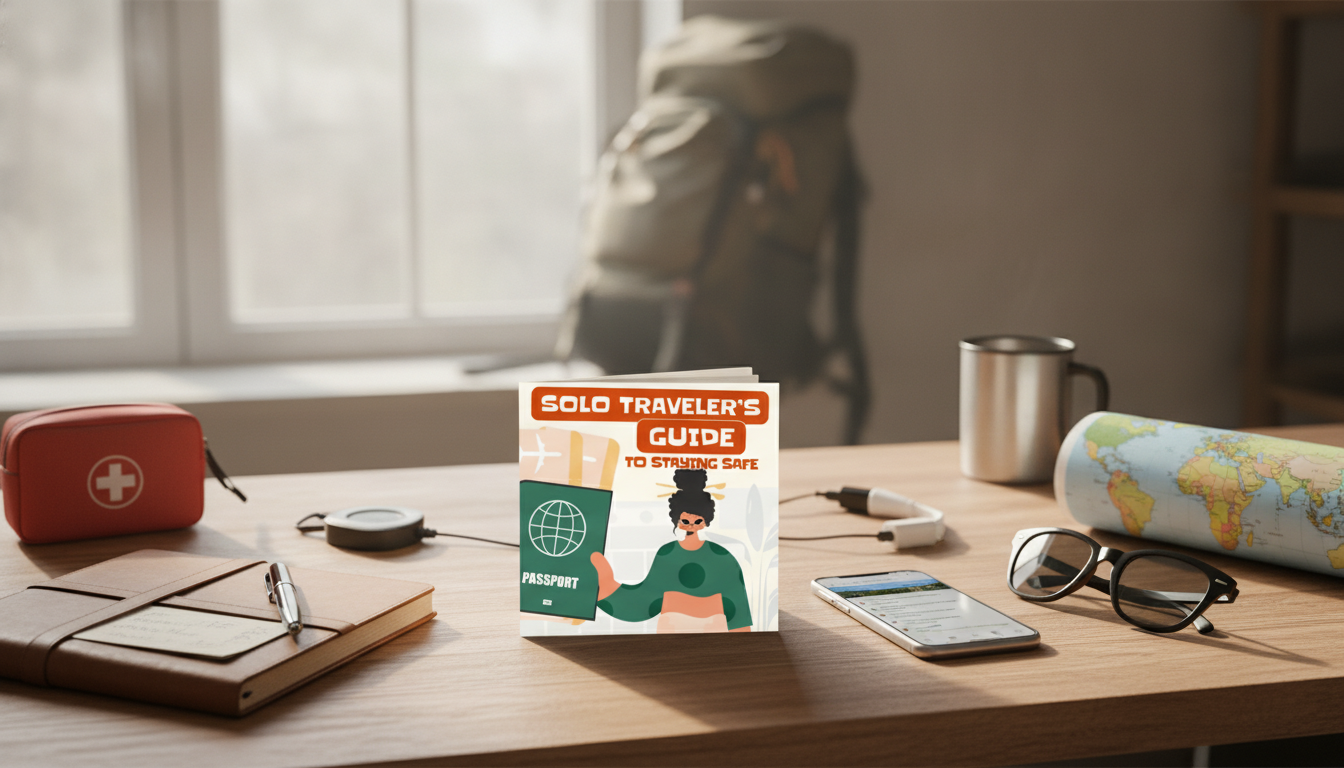
Solo travel safety: a simple system that keeps freedom intact
Solo travel can feel freeing and empowering, but it also puts every decision—transport, lodging, tech, money, and personal boundaries—on one set of shoulders. A simple, repeatable safety system reduces risk without draining the fun: plan the essentials, keep your profile low, and build small routines that prevent common problems before they start.
Think of safety as fewer “live” decisions in high-pressure moments (arrivals, transfers, after dark) and more calm defaults you can repeat anywhere.
Start with a realistic risk snapshot
- Check the current advisory level for the destination and read the “Safety and Security” and “Local Laws” sections, not just headlines. The U.S. Department of State travel resources are a strong starting point.
- Map the trip by day and night: where you’ll be at arrival time, after dark, and during transfers—these are when most avoidable issues happen (fatigue, confusion, and rushed choices).
- Identify personal risk factors (medical needs, mobility, language barriers, visible valuables, nightlife plans) and plan compensations: extra time buffers, translation cards, medication copies, or choosing a more central base.
- Decide your “red lines” in advance: areas you won’t walk alone at night, transport you won’t use, and conditions for returning early. Pre-decisions make it easier to act fast when something feels off.
For health-related planning, check destination-specific guidance and routine travel considerations through the World Health Organization’s travel and health information.
Build a safety-first itinerary (without overplanning)
- Book the first night (or two) in a well-reviewed place so arrival stress doesn’t force rushed decisions. If you land late, prioritize straightforward check-in over “the perfect deal.”
- Choose arrival times that reduce complexity: daylight arrivals and direct transfers when possible. If night arrival is unavoidable, pre-plan the pickup point and backup options.
- Write down two backups for each critical step: alternate lodging, alternate route, alternate payment method. Backups prevent a minor disruption (a canceled train, a closed office) from turning into a risky detour.
- Keep a “light plan” each day: one anchor activity and flexible time so you’re not compelled to take risks to keep a schedule.
A practical way to make this stick is to keep your plan in a format you’ll actually use—short notes, a one-page checklist, and a quick daily routine you can repeat in any city.
Where to stay: safer lodging habits that travel well
Getting around: common transport pitfalls and how to avoid them
- Plan transfers before you land: know the official taxi/rideshare pickup process and typical fare ranges to reduce pressure at arrivals. The UK Foreign travel advice pages are also useful for quick destination-specific context.
- Reduce device exposure: step aside to check maps, then move with purpose; don’t stand at the curb absorbed in your phone. If you need to re-route, do it inside a shop or lobby.
- Use “distance and delay” tactics if something feels off: change direction, enter a public business, and create time to reassess. You’re buying space to think, not proving anything to anyone.
- Share real-time trip details with a trusted contact for higher-risk legs (night buses, long drives, remote areas). A quick “departed/arrived” message can be enough.
Digital security and documents: protect identity and access
A simple solo-safety checklist you can reuse
Solo Travel Safety Checklist (Quick-Run)
| Phase | Do this | Why it helps |
|---|---|---|
| Before departure | Save emergency numbers, set up device lock, store backup payment, share itinerary | Prevents small disruptions from becoming big problems |
| Arrival day | Confirm transport plan, check lodging entry/locks, identify a nearby safe public spot | Reduces vulnerability during the most disorienting hours |
| Daily routine | Keep one ear/eye open, split cash/cards, check in with a contact, review route before leaving | Maintains situational awareness without constant stress |
| If something feels wrong | Create distance, go to a staffed public place, contact local emergency services or your embassy/consulate if needed | Turns intuition into action and buys time |
How to choose the right safety guide for your trip
Use a ready-made system: a printable planning template that supports safer solo travel
If you want a structured way to set up your trip plan and daily routine, consider Goal-Setting Guide for Real Results – Printable Goal Planner, SMART Goals Workbook & Productivity Template for Achievable Success. It’s a practical template for turning “I should plan this” into a clear checklist and timeline you can reuse for every trip.
FAQ
What are the most important safety steps for a first-time solo traveler?
Prioritize arrival planning (transport and check-in), choose lodging with solid access control, split money and cards, set a simple daily check-in habit, and lock down phone security with tracking and backups enabled.
How can solo travelers stay safe without feeling paranoid?
Rely on a short routine: plan transfers ahead, raise awareness during transitions (arrivals, after dark), choose well-reviewed lodging, and use a quick checklist so you’re not constantly “on.”
What should be prepared in case a phone is lost or stolen?
Enable device tracking and remote wipe, store account backup codes, keep a secondary way to reach contacts, and know how to replace your SIM and recover logins without relying on the missing phone.







Leave a comment