4-Week Puppy Training Schedule: Printable Housebreaking Plan
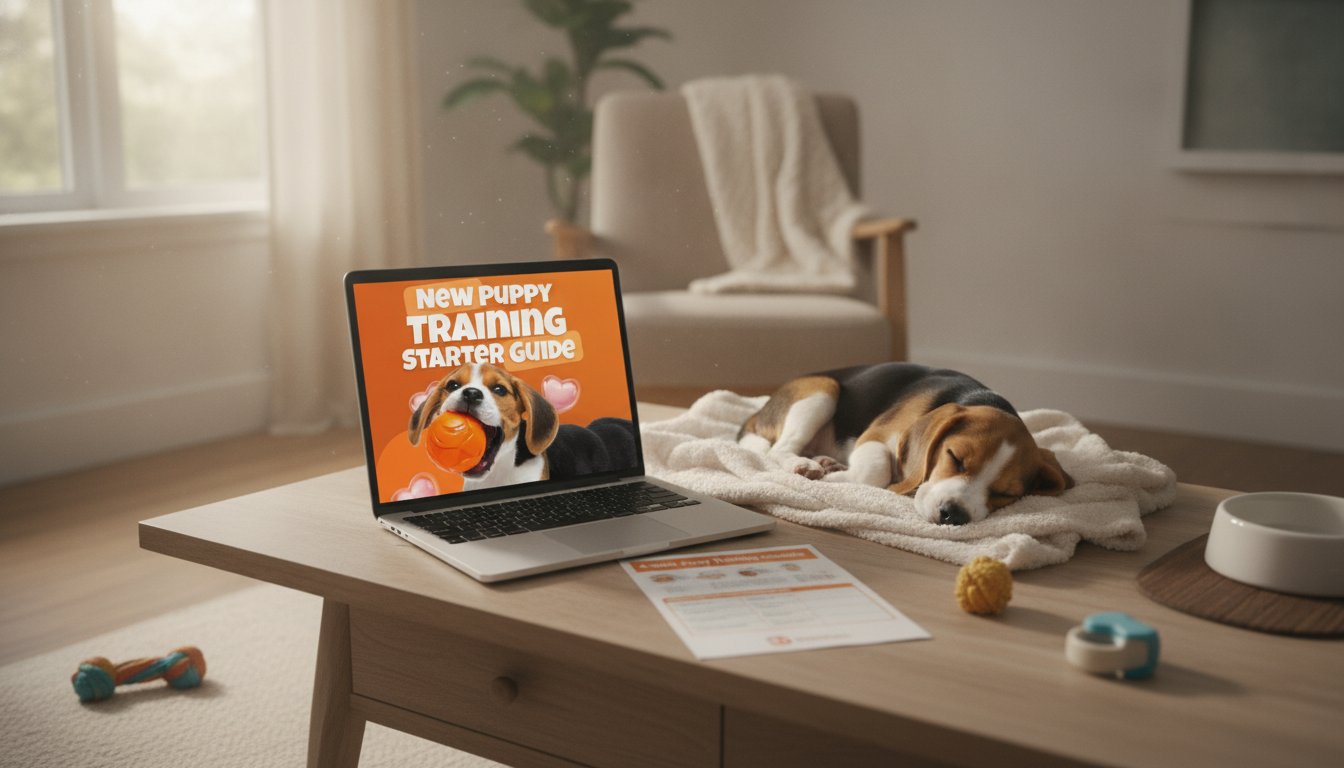
New Puppy Training Starter Guide: A 4-Week Printable Routine for House Training, Basic Cues, and Social Skills
A new puppy learns fastest when the day is predictable, rewards are consistent, and expectations are simple. This starter guide is built around a realistic 4-week routine that supports house training, foundational cues, safe socialization, and calm life skills—using printable pages that can live on the fridge, in a training binder, or in a puppy go-bag.
If you want a ready-to-follow plan you can print and repeat, start with the New Puppy Training Starter Guide (Printable 4-Week Routine eBook).
What to set up before training starts
Before you ask for “sit” or expect perfect potty habits, set the environment so your puppy can succeed on day one.
- Choose a confinement plan: crate, pen, or puppy-proof room. Aim for short, successful periods rather than long stretches that create stress or accidents.
- Prepare high-value rewards: tiny soft treats plus a marker word (“Yes!”) or a clicker to make feedback clear and fast.
- Set up potty logistics: a consistent outdoor route, enzymatic cleaner, and a simple accident plan (interrupt, escort out, reward).
- Pick 2–3 calm enrichment options: stuffed food toy, lick mat, and/or snuffle activity to reduce overtired zoomies and biting spikes.
- Decide household rules early: furniture access, sleeping location, greeting manners, and who handles which routines.
The 4-week approach: small goals that stack
Four weeks is enough time to build structure and momentum. The goal isn’t perfection—it’s repeatable habits, clear communication, and fewer “surprise” moments for your puppy.
- Week 1: Build trust and predictability—potty schedule, name response, gentle handling, and settling.
- Week 2: Add structure—short cue sessions (sit/down), leash comfort, and calm alone-time practice in seconds-to-minutes.
- Week 3: Generalize skills—practice cues in new rooms, add brief waits, and reinforce calm greetings around mild distractions.
- Week 4: Strengthen habits—extend calm time, improve potty reliability, and practice social exposure with safety and distance.
- Keep sessions short: 1–3 minutes, several times a day. End while your puppy still wants more.
Sample 4-Week Routine Snapshot (Adjust to Age, Breed, and Energy)
| Week | Primary focus | Daily practice (10–20 minutes total) | Progress check |
|---|---|---|---|
| 1 | House training + bonding | Potty after sleep/play/food; name game; handling paws/ears; calm settle with rewards | Fewer indoor accidents; puppy follows when called in quiet spaces |
| 2 | Foundational cues + crate comfort | Sit/down lures; 30–90 sec crate/pen calm; leash inside; reward check-ins | Puppy enters crate willingly; responds to sit most times at home |
| 3 | Leash skills + calm greetings | Loose-leash steps; “touch” targeting; greet with 4 paws on floor; short car or carrier sessions | Less pulling indoors; fewer jumpy greetings with familiar people |
| 4 | Real-life reliability | Short “stay/wait” moments; practice cues outside; structured play + cooldown; settle on mat | Longer calm periods; potty routine feels predictable |
House training that actually holds up
House training improves fastest when you rely on timing and management—then celebrate the correct choice the instant it happens.
- Use timing, not guesswork: take your puppy out after waking, eating/drinking, play, training, and every 30–120 minutes depending on age.
- Reward the right moment: treat within 1–2 seconds after finishing outside, then calmly go back in so potty breaks don’t turn into a party.
- Manage, then train: freedom expands only when your puppy stays successful. Otherwise use crate/pen/leash-to-you.
- Accidents are information: track time, location, and what happened right before. Adjust the schedule instead of adding punishment.
- Night routine: last potty right before bed; keep nights boring and dark; extend time gradually as success improves.
For additional guidance on household routines and common setbacks, the Humane Society’s house training overview is a helpful companion to a structured schedule.
First cues to teach (and why they matter)
Early cues aren’t about showing off—they’re practical tools that prevent problems and give your puppy a clear way to earn rewards.
For a broader overview of beginner-friendly training principles, the American Kennel Club’s puppy training basics is a solid reference.
Biting, chewing, and the overtired puppy
Safe socialization without rushing
For evidence-based guidance on early exposure windows and best practices, review the American Veterinary Society of Animal Behavior (AVSAB) position statement on puppy socialization.
Printable pages that make follow-through easier
To keep pages organized (and easy to hand off to a sitter or family member), many households store them alongside other routines and checklists—like the Confident Kids Bundle: Nurturing Emotional Strength for family habit-building and daily structure.
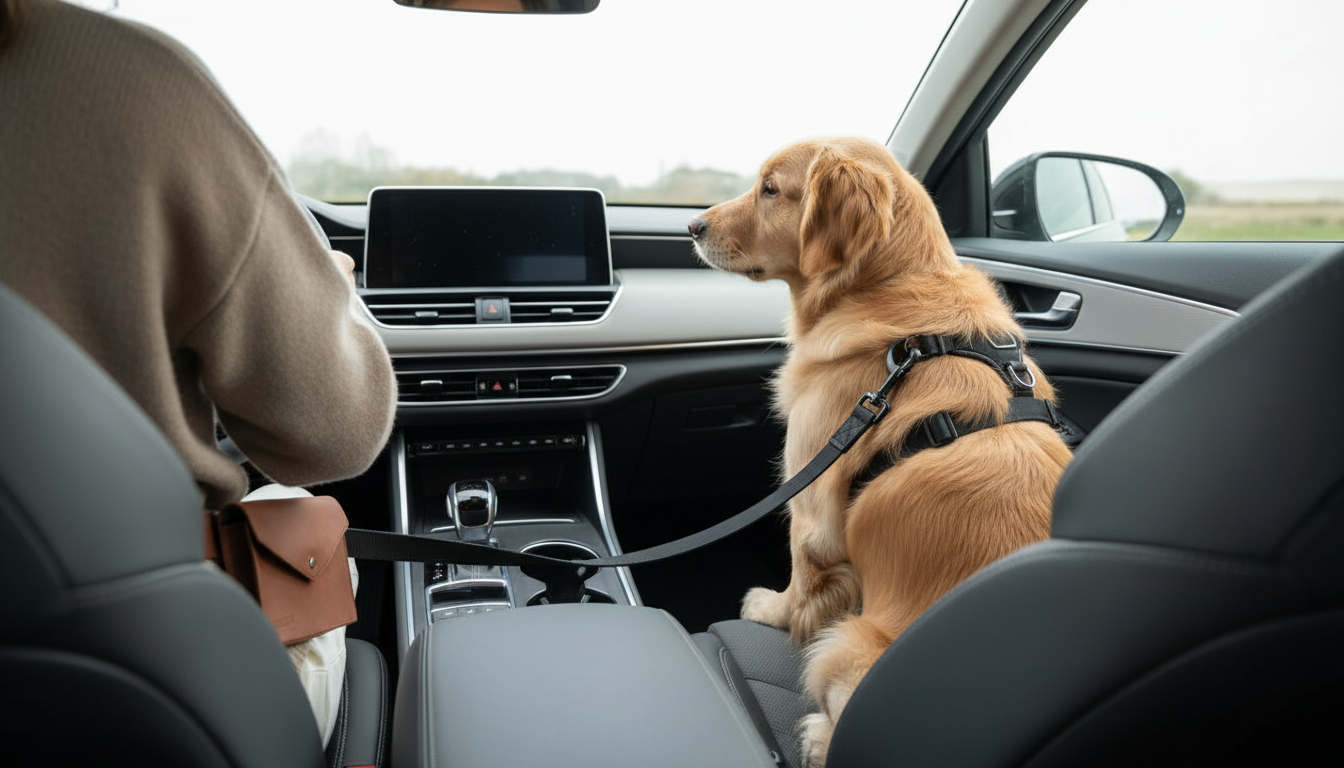
Puppy travel and car practice (without wrecking the back seat)
For quick cleanups and scuff protection during those early training rides, consider the Car Seat Back Protector Black “Hexy” – Car Kick Mat.
When to get extra help
FAQ
How long does house training usually take for a new puppy?
Many puppies improve noticeably within a few weeks, but reliable house training often takes a few months depending on age, supervision, and how consistently indoor accidents are prevented. A practical milestone is that accidents should trend down week over week as your schedule tightens.
Is a 4-week routine enough to fully train a puppy?
Four weeks builds the foundation—potty rhythm, basic cues, and calm skills—but real reliability comes from ongoing practice with gradually harder distractions and new locations. Keep the same structure and “level up” the environment slowly.
What commands should a beginner teach first?
Start with name response, sit, down, touch, a gentle leave it, and an indoor come foundation. Short sessions and precise reward timing matter more than long drills.









Leave a comment