USB Rechargeable Automatic Laser Toy: Cat Play Guide
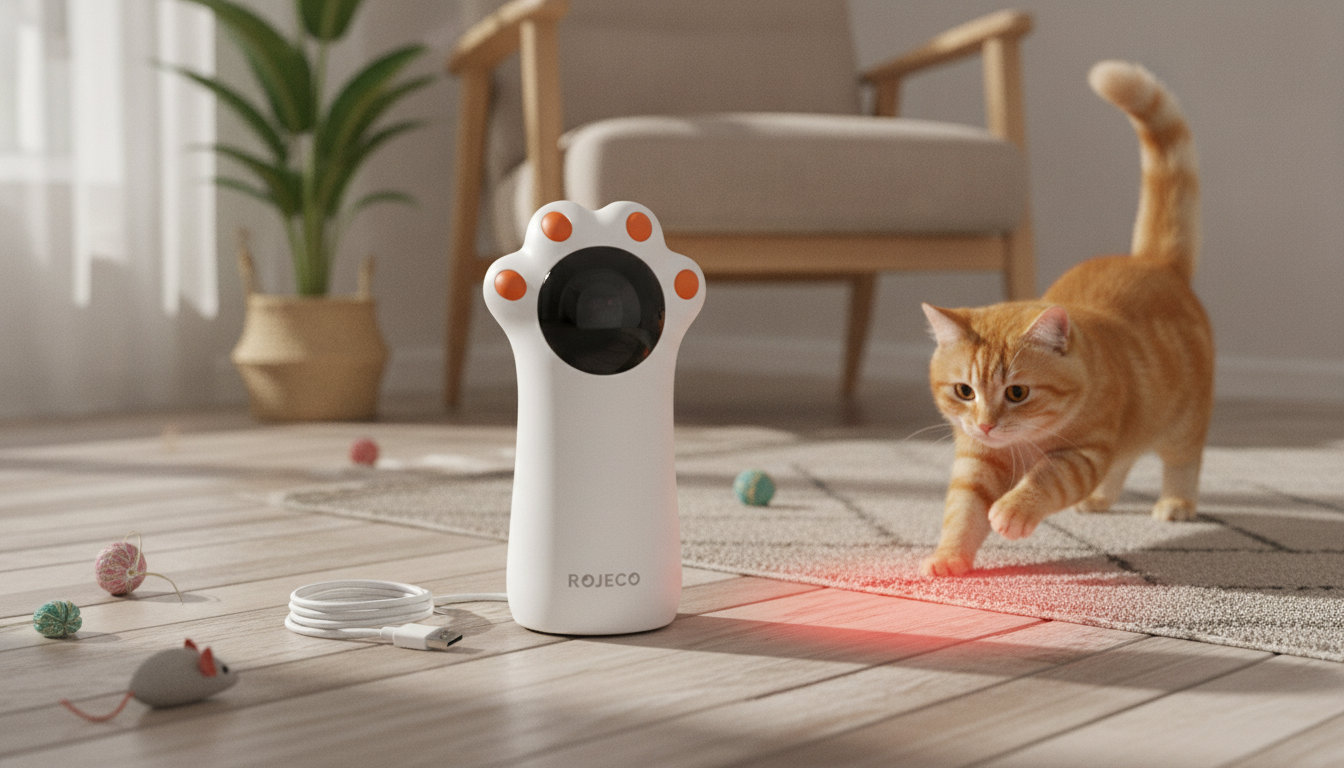
USB Rechargeable Interactive Automatic LED Laser Toy for Cats
Keeping a cat mentally engaged and physically active can be tough when schedules get busy or indoor space is limited. An automatic, USB rechargeable LED laser toy can provide short, stimulating play sessions that tap into chase instincts while reducing the need for constant manual play. This guide covers how it works, what to expect day to day, setup tips, safety practices, and who it fits best. For more guidance, see [PDF] Smart Laser Toy for Cats – creol #ucf.
What It Does and Why Cats Love It
An automatic laser toy projects a small moving light target that encourages stalking, chasing, pouncing, and quick direction changes—exactly the kind of fast, “hunt-like” movement many cats crave. For indoor cats (especially those who nap heavily during the day and get a burst of energy at night), these quick play windows can help channel restlessness into a game. For further reading, see Interactive Automatic Rolling Cat Ball Toy With Tail.
Because the motion is automated, it’s also a practical option when hands-on wand play isn’t possible. That said, it works best as a supplement to other enrichment: food puzzles, climbing spots, scratching surfaces, and window perches all add variety and help prevent boredom.
To keep interest high over the long term, switch up where and when play happens. A hallway one day and a living room the next can make the exact same toy feel “new” again.
Key Features to Look For in an Automatic Laser Toy
Not all automatic laser toys are equally engaging. The most satisfying day-to-day experience usually comes down to a few practical details: how it’s powered, whether the movement feels unpredictable, and whether sessions end automatically before a cat gets overstimulated.
Quick checklist for choosing a good fit
| Consideration | What to prefer | Why it matters |
|---|---|---|
| Power | USB rechargeable | Convenient charging and fewer disposable batteries |
| Session control | Auto timer / auto shutoff | Encourages short, healthy play bursts |
| Pattern variety | Multiple movement modes or randomized paths | Prevents boredom and predictable chasing |
| Placement | Works on common indoor surfaces | More usable in apartments and multi-room homes |
| Build stability | Non-slip or stable footprint | Reduces skidding and keeps the beam consistent |
A quiet motor can make a bigger difference than expected—noise-sensitive or shy cats may hang back if the toy sounds “mechanical” or startling. A stable base also matters on smooth floors, where sliding can change the beam angle and interrupt the chase.
How to Set It Up for Better Play Sessions
Setup can make or break how your cat feels about the moving dot. Start simple: choose a low-clutter area so the chase path is safe and the light is easy to spot. Once your cat understands the game, add mild obstacles like a cat tunnel or a cardboard box. Those small “terrain changes” often increase engagement because they mimic the unpredictability of a real hunt.
Rotate locations to refresh novelty. If the toy always runs in the same corner, some cats learn the pattern quickly and lose interest. A living room session today and a hallway session tomorrow can bring back that “what’s happening?” curiosity.
Keep sessions short—often 5–10 minutes—and end on a “win.” Since the laser dot can’t be physically caught, finish by tossing a small plush toy, a kicker, or even a treat your cat can grab. This simple finale helps reduce frustration and makes the overall sequence feel complete.
If your cat watches but won’t chase, try a warm-up: start with a wand toy for 30–60 seconds, then switch the automatic toy on once your cat is already in play mode.
Safety and Comfort Guidelines
Laser play can be safe and fun when handled responsibly. The most important rule is eye safety: never shine any laser or bright light into eyes, and keep the beam aimed at floors or low walls. For more guidance, see the American Veterinary Medical Association (AVMA) laser pointer safety notes.
Because some cats can become overly fixated on “uncatchable” targets, it’s smart to supervise early sessions and watch for stress signals. Signs of overstimulation can include panting, loud vocalizing, frantic pacing, or trouble disengaging after the toy turns off. If you notice any of these, shorten the session, reduce frequency, and always end with a tangible toy or treat.
In multi-cat homes, give enough space so the excitement doesn’t spill over into conflict. Two cats chasing the same dot in a tight room can lead to redirected swats. A larger play zone (or running the toy while cats are in separate areas) can help.
For general play and enrichment perspective, the ASPCA guidance on play and behavior is a helpful reference, especially if a cat tends to get overstimulated during high-intensity games.
Who This Toy Fits Best
Care, Charging, and Long-Term Use
Recommended Picks from Our Store
- Confident Kids Bundle: Nurturing Emotional Strength | 3-in-1 Bundle ($50.99)
- Whole You: Holistic Wellness Guide | Beginner Wellness Ebook ($20.99)
FAQ
How long should a laser play session be for a cat?
Short sessions are usually best—often about 5–10 minutes. Watch for overstimulation, and end the session by tossing a physical toy or a small treat so your cat gets a satisfying “catch.”
Is an automatic laser toy safe for cats?
Yes, when used properly: never aim the beam at eyes, keep it on floors or low walls, and supervise early sessions. Avoid overly long play and provide a tangible toy or treat at the end to reduce frustration.
Will a USB rechargeable laser toy work for kittens and older cats?
Kittens often engage quickly because they’re naturally playful, while older cats may prefer slower, shorter sessions. Adjust the session length and finish with a low-impact “catch” toy to keep it comfortable and rewarding.







Leave a comment